Industrial Parks as a Tool for Community Restoration and Industrial Development
Ukraine’s restoration requires not only individual construction projects but also the creation of a new economic foundation for regional development. Industrial parks can serve as precisely such growth hubs—places where manufacturing, logistics, investment, modern technologies, and the strategic needs of communities combine.
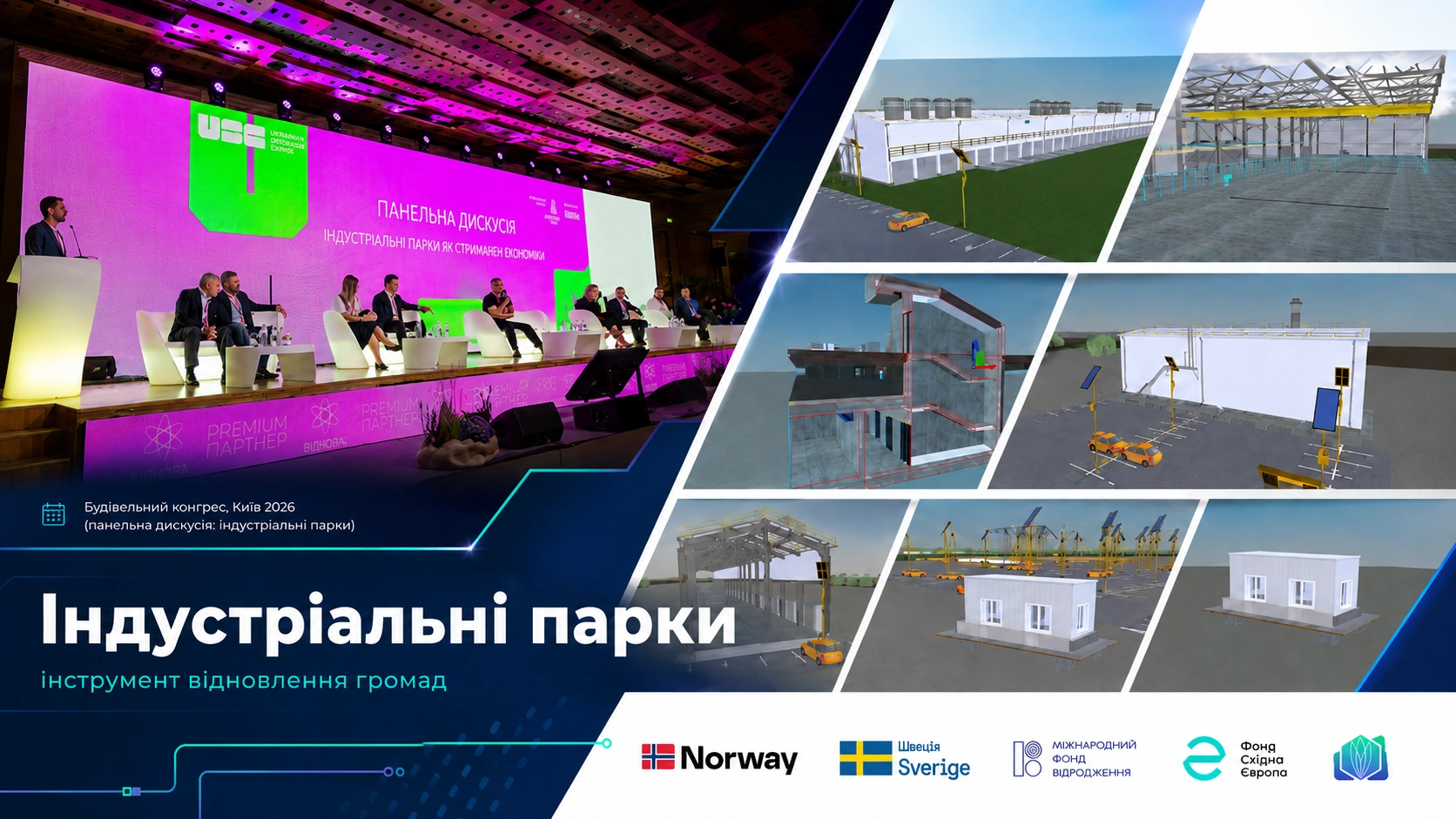
The economic role of industrial parks is currently the subject of active discussion in various professional forums. In particular, on June 23, 2026, our team participated in the Ukrainian Construction Congress in Kyiv, where a separate expert panel discussion focused on industrial parks as hubs for attracting investment and strengthening the economic capacity of communities.
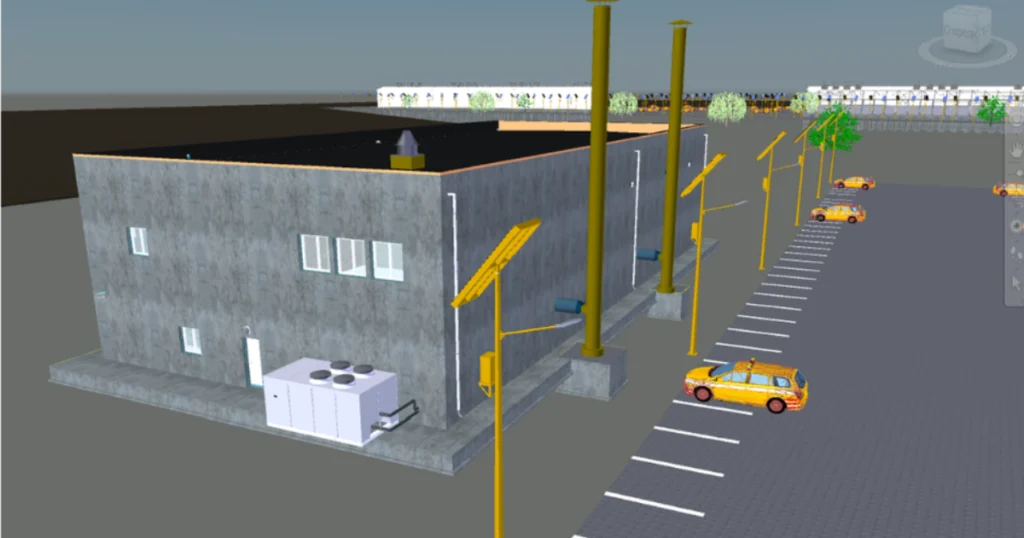
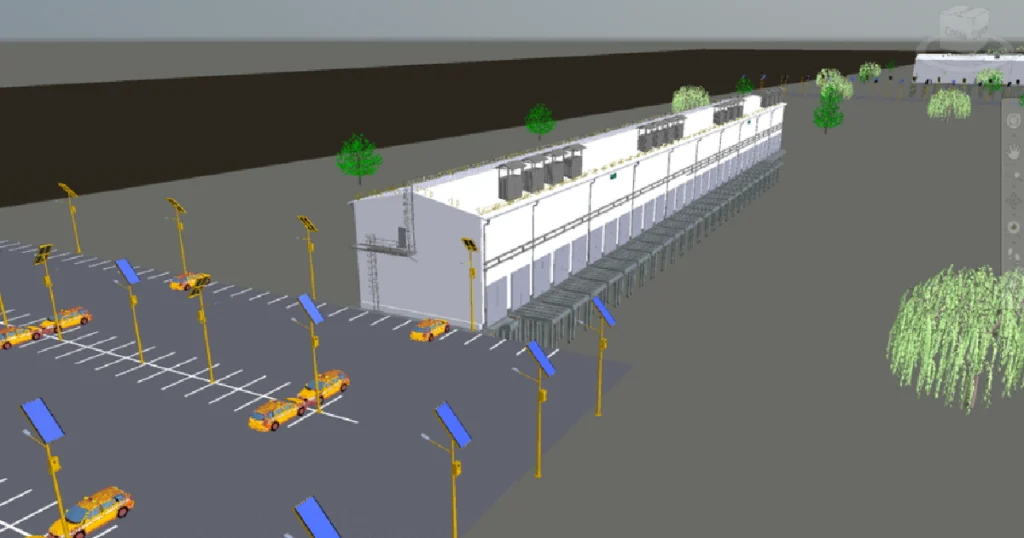
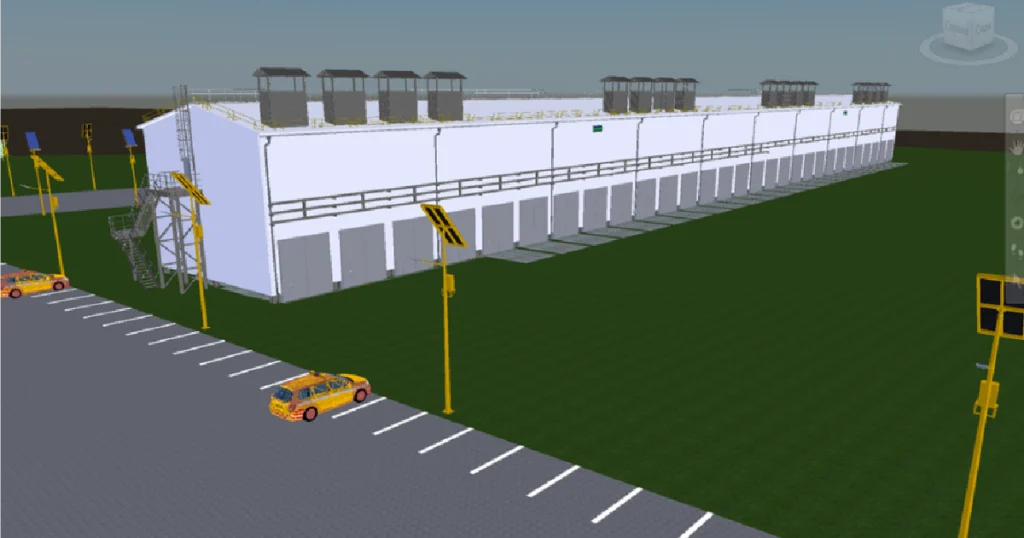
One such ambitious project is the Industrial Park “Korosten-Podilskyi”, which is being developed in the Korosten community in Zhytomyr Oblast.
A large-scale project for restoration and development
The total area of the industrial park is over 78 hectares. The concept provides for the creation of several interconnected production and infrastructure sectors.
The following facilities are planned for the park:
- regional logistics hub;
- manufacturing cluster for specialized equipment;
- companies that manufacture metal structures for bridge construction;
- service and engineering facilities to support the operations of the park's residents.
The purpose of the Engineering Center
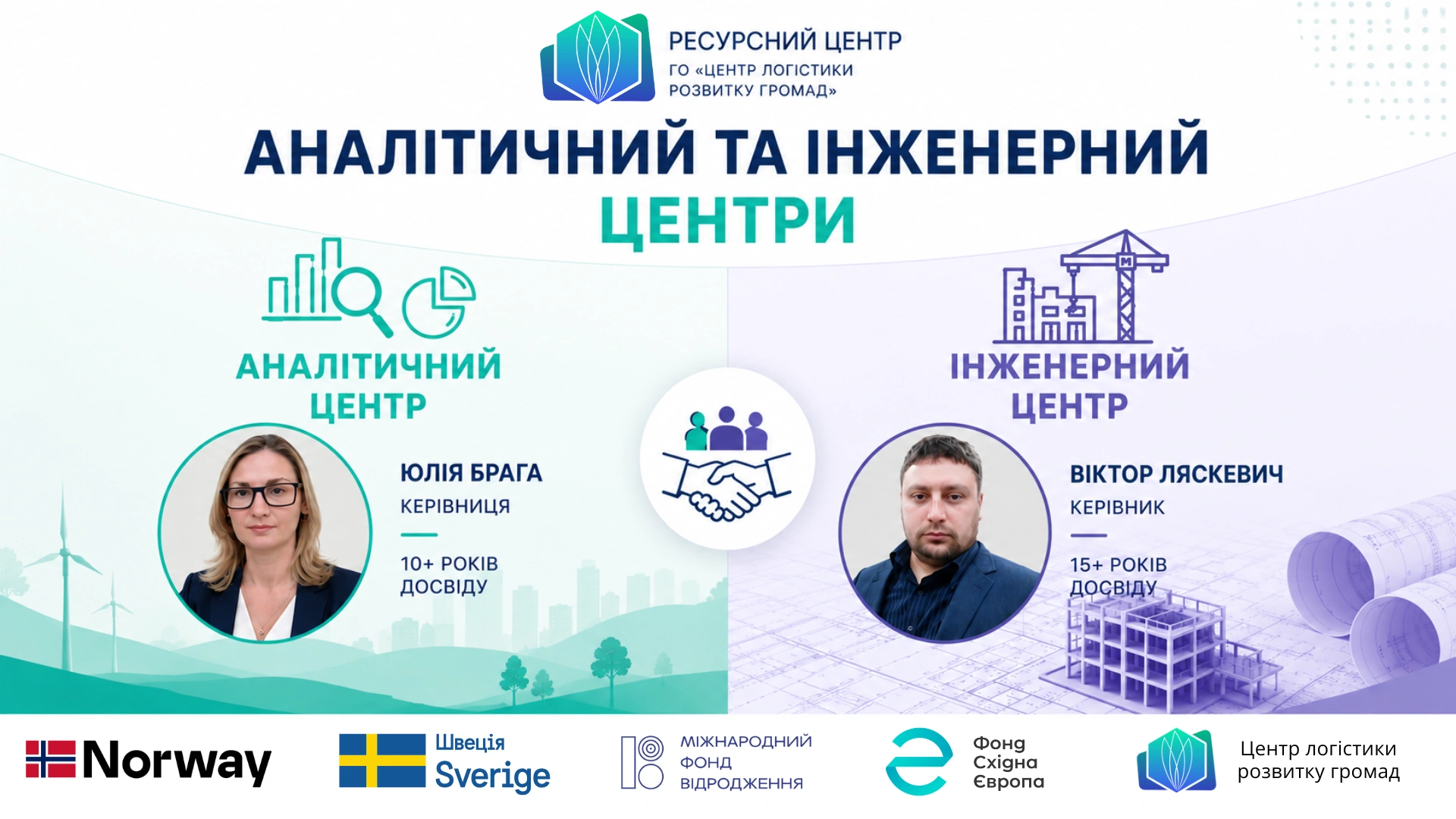
The Engineering Center of the NGO Logistics Center for Community Development, created and developed with the support of the International Renaissance Foundation within the project "Impulse".
The main task of the Engineering Center is to enhance the capabilities of the teams implementing large-scale infrastructure and construction projects.
As part of our partnership with the industrial park's management company “VASHA NADIIA” Service Multitool, LLC team of Engineering Center:
- provides training for specialists;
- helps structure project management;
- implements modern digital tools;
- develops approaches to managing timelines, budgets, and resources;
- facilitates coordination among designers, contractors, suppliers, and partners;
- helps organize transparent monitoring of work progress.
For a project of this scale, it is particularly important to move from managing individual documents and spreadsheets to a unified digital environment.
This environment is supposed to bring together:
- technical and design documentation;
- schedules;
- budgets;
- information about the responsible persons;
- work completion statuses;
- planned and actual results;
- visualizations and digital models of objects;
- reporting for the management company, partners, and investors.
This approach allows us to view the whole project together, identify risks in a timely manner, and make management decisions based on up-to-date data.
Search for Investors and International Partners
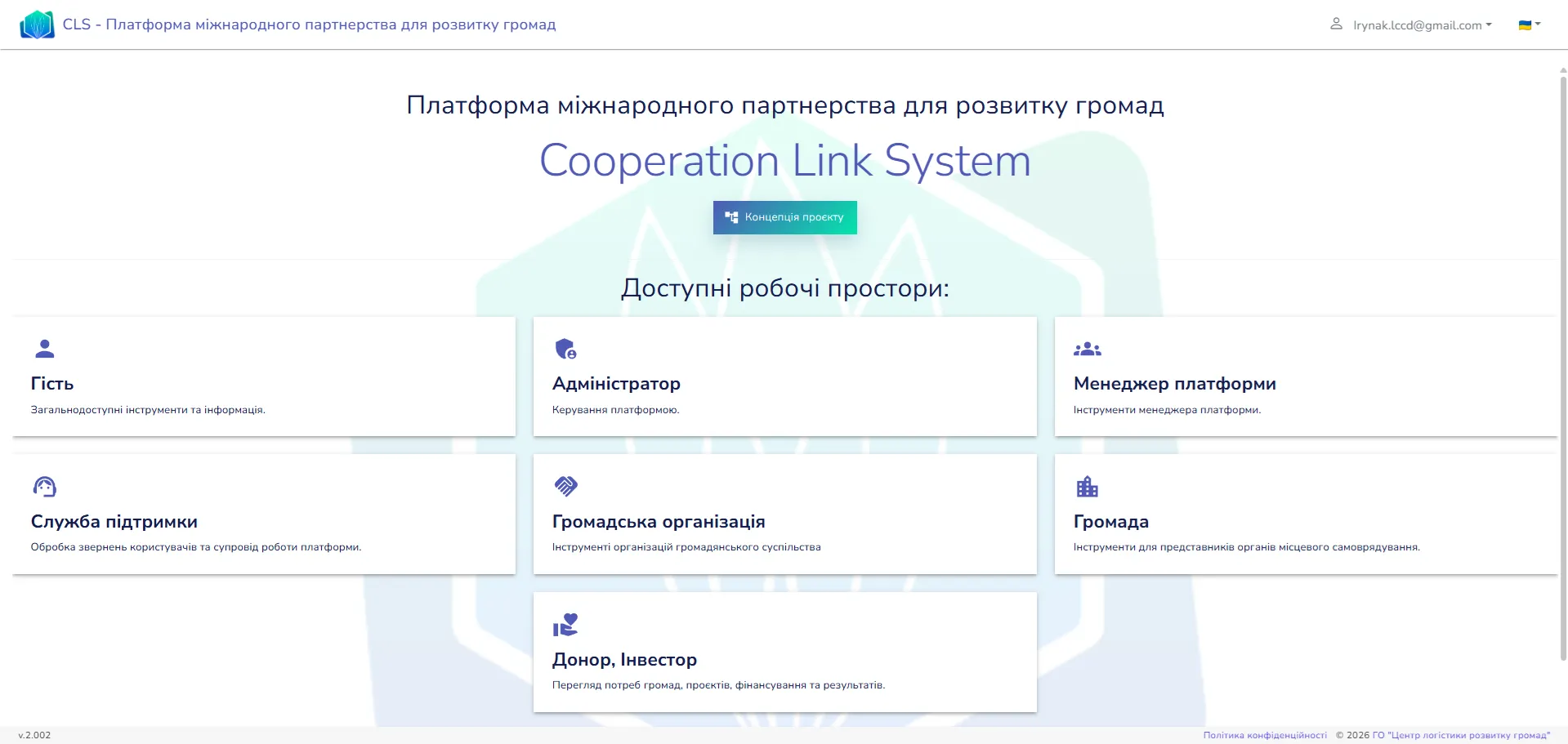
The construction of an industrial park requires not only high-quality design and management, but also the involvement of investors, technology partners, manufacturers, and international organizations. The next step will be to present the project on International Partnership Platform for Community Development CLS (Cooperation Link System)
The platform is designed to help:
- to present the industrial park to potential investors;
- engage international and Ukrainian manufacturing partners;
- find residents to host manufacturing facilities;
- establish contacts with financial institutions and donors;
- form partnerships to develop specific projects within the park;
- provide transparent access to information about the project's needs, phases, and investment opportunities.
This way, CLS will become an information platform and a practical tool for finding resources and partners to implement the project.
Library of reuse projects
Another important outcome of this work will be the inclusion of the formation of a library of reuse projectsThe point is to build a collection of standard, proven solutions that can later be adapted for other communities
The following are included in the library:
- digital models of manufacturing and logistics facilities;
- standard layout solutions;
- technical requirements;
- estimated budgets;
- schedules;
- project management models;
- reporting templates;
- a list of required equipment;
- solutions for logistics and engineering infrastructure.
This will allow other communities to avoid starting the preparation of similar projects from scratch and instead use approaches that have already been developed.
As a result, you can shorten development time, reduce costs, improve the quality of planning, and move more quickly from concept to implementation.
Why Industrial Parks Are Important to Communities
An industrial park is much more than just a place for businesses to set up operations.
This is a tool that can:
- develop a new industrial specialization for the community;
- attract investment;
- to promote local business development;
- create demand for services and materials;
- increase tax revenues;
- provide equipment, structures, and logistics for reconstruction projects;
- integrate the community into national and international supply chains.
Industrial Park “Korosten-Podilskyi” is an example of a comprehensive approach that combines manufacturing, logistics, engineering infrastructure, digital management, and international partnerships within a single project.
From a single project to a scalable model
The Work of the NGO's Engineering Center "Logistics Center for Community Development" is not intended exclusively for supporting a single facility.
The objective is to develop an approach that can be scaled up and applied in other communities across Ukraine.
The combination of engineering expertise, digital tools, investor sourcing through the Cooperation Link System, and a library of reusable projects forms a comprehensive model for implementing large-scale development projects.
It is precisely these kinds of decisions that help communities transition from isolated initiatives to systematic industrial and economic development.
Author: