Tag: #СтратегіяРозвитку

  • Стратегічна екологічна оцінка стратегій розвитку громад: що показує практика громад в Україні

    Strategic Environmental Assessment of Community Development Strategies: What communities experience show us in Ukraine

    Strategic Environmental Assessment of Community Development Strategies: What communities experience show us in Ukraine

    In connection with the signing of the Association Agreement with the European Union and in accordance with Directive 2001/42/EC and the Protocol on Strategic Environmental Assessment to the Convention on Environmental Impact Assessment in a Transboundary Context, Ukraine adopted Law No. 2354-VIII of March 20, 2018 “On Strategic Environmental Assessment”. It is this Act that establishes the legal framework for conducting strategic environmental assessments of state planning documents.

    A Strategic Environmental Assessment (SEA) is a procedure for identifying, describing, and evaluating the environmental impacts of implementing national planning documents, including their effects on public health. State planning documents include strategies, plans, schemes, urban planning documentation, state target programs, and other policy documents that are developed or approved by state authorities or local governments.

    The SEA procedure is also linked to the achievement of the goals set out in Ukraine’s Sustainable Development Goals for the period up to 2030, particularly regarding sustainable cities and communities, responsible consumption and production, combating climate change, and the conservation of ecosystems.

    To the NGO "Logistics Center for Community Development" Communities often reach out with questions about the SEA: when it is required, which documents it applies to, what stages it involves, and how environmental issues should be taken into account when developing a development strategy.

    To gain a better understanding of SEA practices, our team analyzed data from Unified Register of Strategic Environmental Assessments regarding community development strategies and action plans. The analyzed portion of the registry contains regional government planning documents, including development strategies, action plans, “strategy + action plan” documents, and amendments and updates to strategic documents.

    What the analysis of the Unified Register of CEOs reveals

    For the analysis, we selected records related to development strategies for local communities and action plans for their implementation. If the title of a document referred to both a strategy and an action plan, that community was counted in both categories: as a community with a record of a strategy and as a community with a record of an action plan.
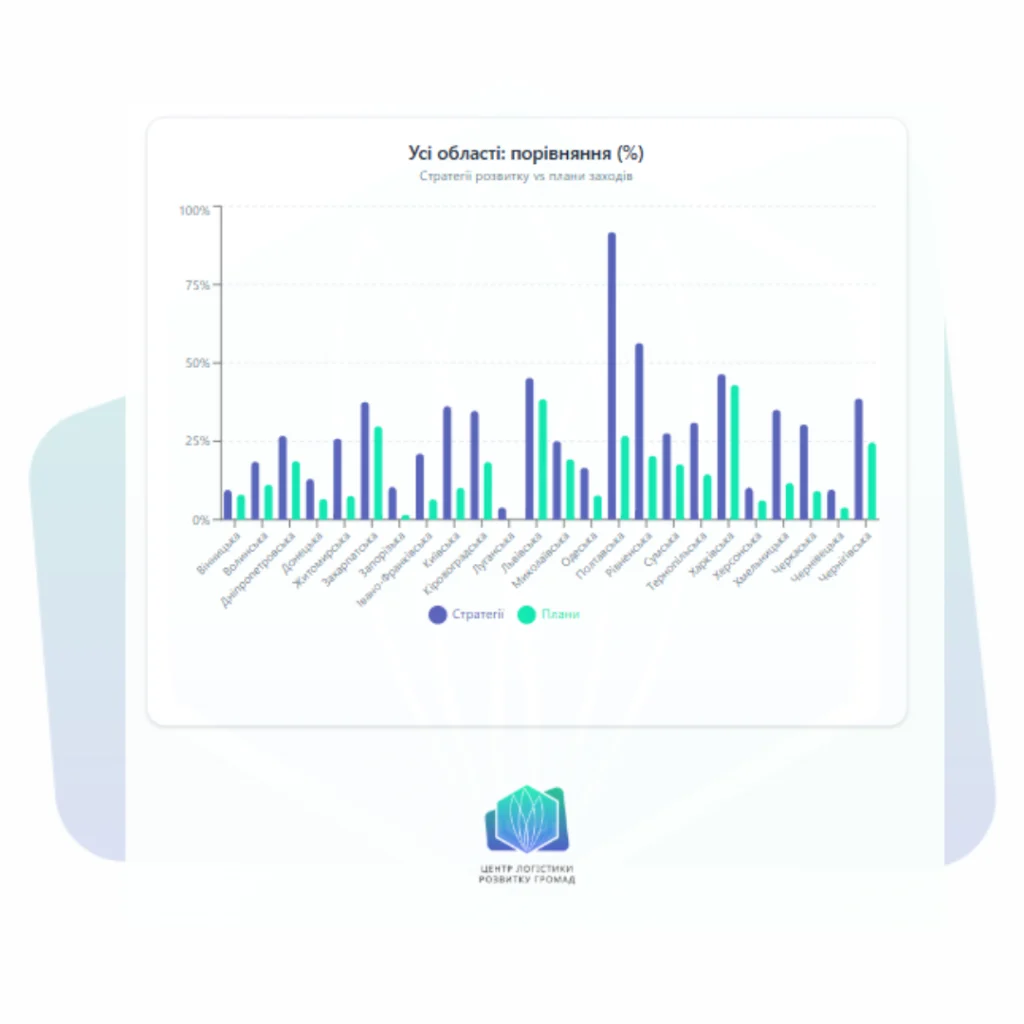
    To calculate the proportion, we used the number of territorial communities in each region, as reported by the “Decentralization” portal. The portal states that 1,469 territorial communities have been established in Ukraine, including 31 communities in the uncontrolled territories within the Donetsk and Luhansk regions; the portal also provides the number of communities by region.

    Important: The figures below reflect the proportion of communities for which the analyzed registry data set contains records of SEAs for strategies or action plans. This does not constitute a legal opinion regarding the completeness or quality of each community’s implementation of the CEO procedure.

    RegionNumber of local communities in the regionlocal communities with a SEA for strategic planningPercentage of local communitieslocal communities with an SEA for action plansPercentage of local communities
    Vinnytsia6369,5%57,9%
    Volyn541018,5%611,1%
    Dnipropetrovsk862326,7%1618,6%
    Donetsk46613,0%36,5%
    Zhytomyr661725,8%57,6%
    Zakarpattia642437,5%1929,7%
    Zaporizhzhia67710,4%11,5%
    Ivano-Frankivsk621321,0%46,5%
    Kyiv692536,2%710,1%
    Kirovograd491734,7%918,4%
    Luhansk2613,8%00%
    Lviv733345,2%2838,4%
    Mykolaiv521325,0%1019,2%
    Odessa911516,5%77,7%
    Poltava605591,7%1626,7%
    Rivne643656,2%1320,3%
    Sumy511427,5%917,6%
    Ternopil551730,9%814,5%
    Kharkiv562646,4%2442,9%
    Kherson49510,2%36,1%
    Khmelnytskyi602135,0%711,7%
    Cherkasy662030,3%69,1%
    Chernivtsi5259,6%23,8%
    Chernihiv572238,6%1424,6%

    According to the analyzed data, the highest proportion of communities with documents regarding a SEA for development strategies recorded in the registry is observed in Poltava region — 91.7%, Rivne — 56.2%, Kharkiv — 46.4%, Lviv — 45.2%, Chernihiv — 38.6%, Zakarpattia — 37.5% and Kyiv — 36.2%.The highest figures for the action plans are Kharkiv Region — 42.9%, Lviv — 38.4%, Zakarpattia — 29,7%, Poltava — 26.7%, Chernihiv — 24.6% and Rivne — 20.3%.
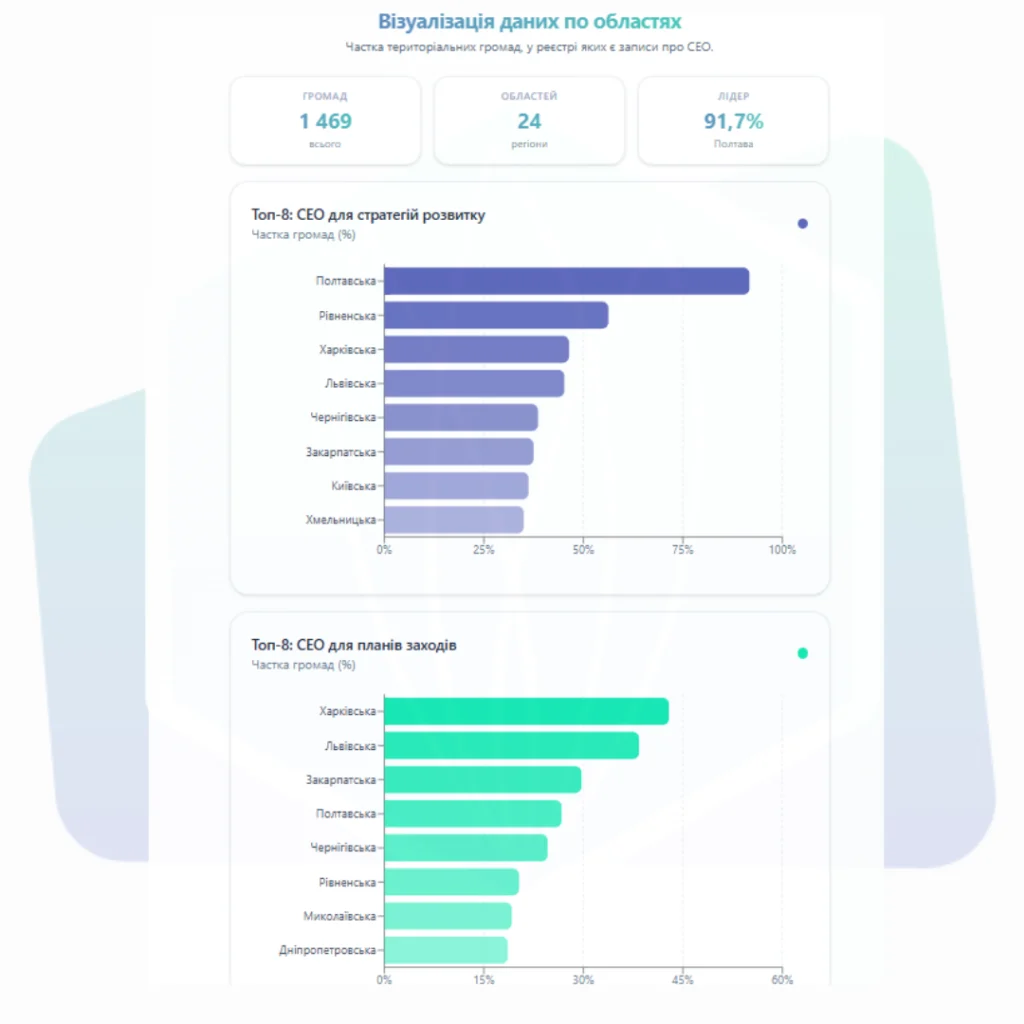
    These data show that the SEA applies not only to community development strategies but also to action plans for their implementation. For local governments, this is an important practical message: the environmental component should be taken into account as early as the stage of defining goals, objectives, and the project portfolio, rather than only at the final stage of document preparation.

    Legal Framework for the SEA

    The primary legislative act is the Law of Ukraine “On Strategic Environmental Assessment”. It defines the concept of a SEA, state planning documents, the parties involved in the procedure, the scope of the Act, the stages of the assessment, and the requirements for the report, public discussion, consultations, and monitoring.

    The regulatory framework consists of:

    • The Law of Ukraine “On Strategic Environmental Assessment”;
    • Guidelines for conducting strategic environmental assessments of state planning documents;
    • Criteria for determining environmental impacts, including impacts on public health;
    • Procedures for monitoring the environmental impacts of the implementation of a state planning document;
    • Procedures for Maintaining the Unified Register of Strategic Environmental Assessments.

    The law applies to state planning documents relating, in particular, to agriculture, forestry, fisheries, energy, industry, transportation, waste management, water resource use, environmental protection, telecommunications, tourism, urban planning, or land use planning. At the same time, such documents must provide for the implementation of activities or projects for which environmental impact assessment is required by law, or require an assessment due to potential impacts on areas with protected status.

    The Purpose of a Strategic Environmental Assessment

    The goal of the SEA is to promote sustainable development by ensuring environmental protection, public safety, and public health, and by integrating environmental requirements into the development and approval of state planning documents.

    In practice, this means that when developing a strategy or action plan, it is necessary to analyze how the proposed solutions may affect water, air, soil, climate, biodiversity, landscapes, protected areas, public health, cultural heritage sites, and residents’ living conditions.

    The law defines environmental impacts broadly: these include any potential impacts on flora, fauna, biodiversity, soil, subsoil, climate, air, water, landscape, natural areas and sites, public safety, public health, material assets, cultural heritage sites, and the interaction of these factors.

    Key Stages of a SEA

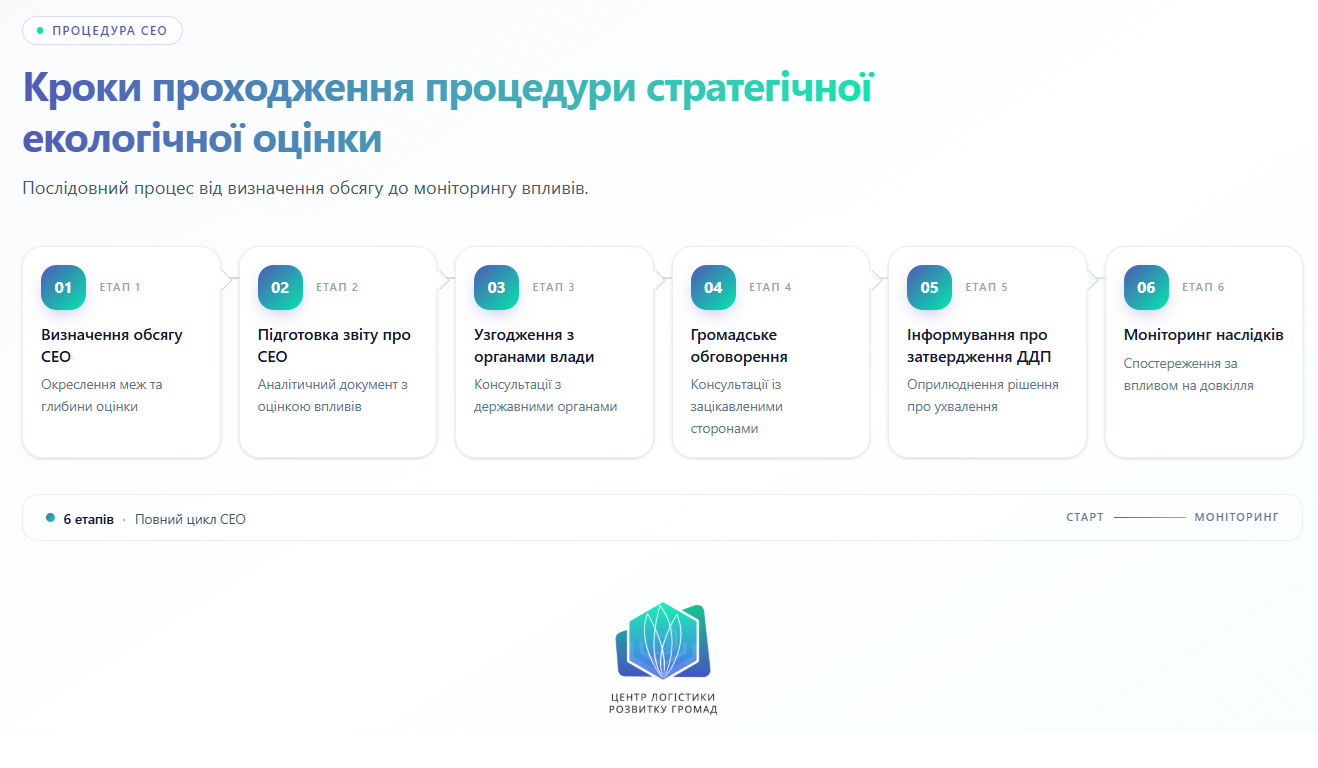
    The law defines the following stages of the strategic environmental assessment:

    • determining the scope of the SEA;
    • preparing a SEA report;
    • conducting public discussions and consultations;
    • taking into account the CEO’s report, the results of public discussions, and consultations;
    • notification of the approval of a state planning document;
    • monitoring the environmental impacts of the document’s implementation, including its effects on public health.
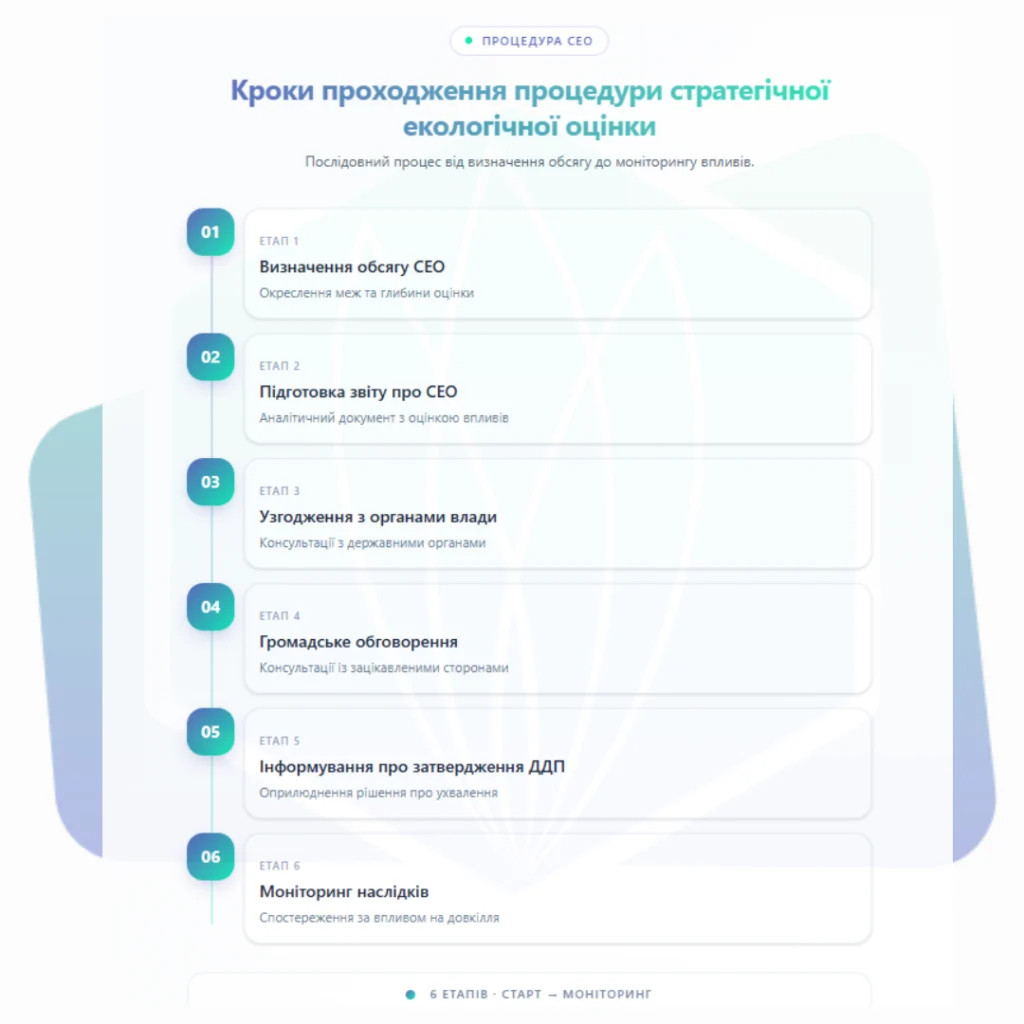
    During the assessment process, it is important to gather information on community development, determine the current state of the environment and public health, evaluate the impact of planning decisions, analyze alternatives, and ensure communication with the public and government agencies.

    How does this relate to the development of community strategies?

    The NGO "Logistics Center for Community Development" does not conduct the SEA procedure as a specialized contractor for strategic environmental assessment.

    At the same time, when developing development strategies, our team considers the environment as one of the key aspects of community life. This is important because development strategies often include decisions that may relate to land use, water resources, infrastructure development, transportation, waste management, energy, urban planning, tourism, or spatial development.

    During the strategic planning phase, we help communities:

    • describe the current state of the environmental sector;
    • identify the main issues and needs;
    • link environmental issues to other areas of community development;
    • formulate goals and objectives in the field of environmental protection;
    • include the relevant projects in the community development portfolio.

    Such a portfolio may include projects related to waste management, the elimination of illegal landfills, the restoration of water bodies, improvements to drainage systems, the creation of green spaces, the development of environmental education, climate change adaptation, the conservation of natural areas, and the enhancement of energy efficiency in municipal infrastructure.

    Such projects do not replace the SEA process. They help the community develop a more robust strategy, better understand the link between environmental issues and management decisions, and create a realistic action plan.

    Conclusion

    An analysis of data from the Unified Register of Strategic Environmental Assessments shows that a significant number of communities are already undergoing SEA procedures for their development strategies and action plans. The most active implementation has been observed in the Poltava, Rivne, Kharkiv, Lviv, Chernihiv, Zakarpattia, and Kyiv regions.

    It is important for communities to understand that the environmental component of the strategy must be substantive, with clearly defined issues, objectives, indicators, and projects. This facilitates further work on the document, makes the strategy more well-founded, and creates a better basis for interaction with experts, the public, and the authorities involved in the SEA process.

    The NGO "Logistics Center for Community Development" As part of its work on strategic planning, it helps communities systematically address environmental issues and translate identified problems into concrete project solutions within the community’s development portfolio.

    The Resource Center of the NGO "Logistics Center for Community Development" operates with the support of the International Renaissance Foundation as part of the “Impulse” project, which enables us to provide systematic consulting to communities on strategic planning, particularly regarding the integration of environmental considerations and an understanding of the strategic environmental assessment process.

    Author:
  • Навчання для ОМС та ОГС: розвиток спроможностей і новий освітній модуль у CLS

    Training for LSGs and CSOs: Capacity Building and a New Educational Module at CLS

    Training for LSGs and CSOs: Capacity Building and a New Educational Module at CLS

    The Resource Center of the NGO "Center for Community Development Logistics" develops the direction of training and capacity building of local governments and public organizations as an integral part of the systemic development of communities.

    In 2025, we started a partnership with Oksana Romaniv, within which we are working on creating a training module in the CLS digital platform. The goal of this direction is to provide local governments and CSOs with convenient tools for planning, organizing, and monitoring the professional development of community specialists.

    What does the educational direction entail?

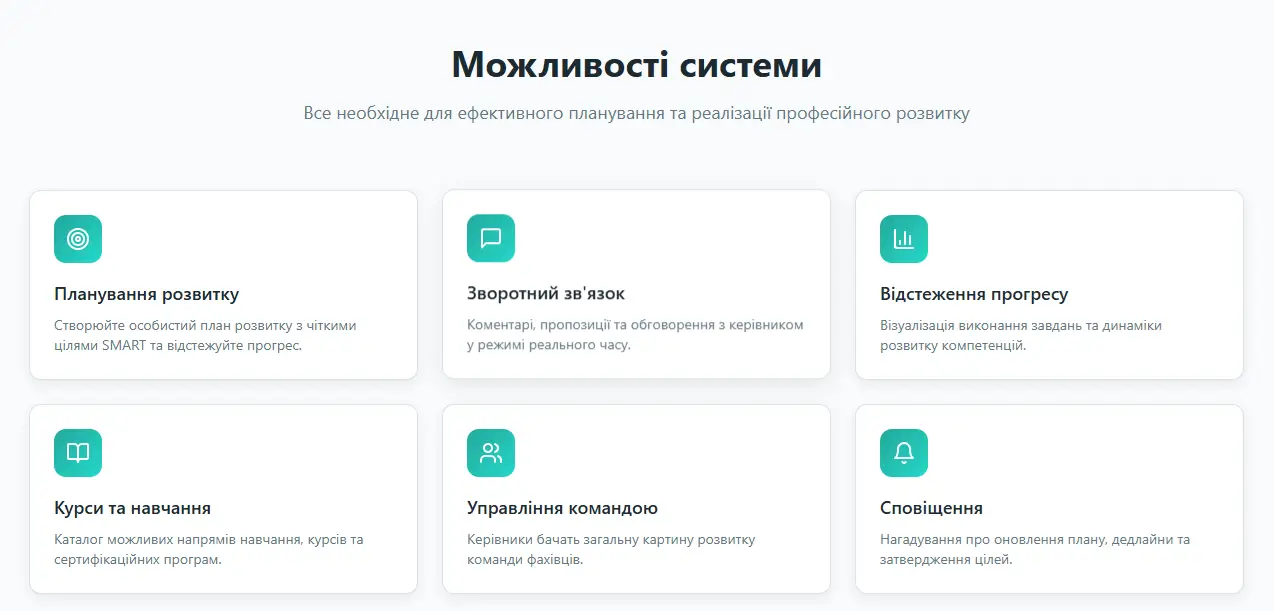
    The CLS training module is designed as a practical tool that will allow:

    • plan the training and development of community professionals;
    • link educational needs with real community development goals;
    • track progress and learning outcomes;
    • generate analytics for managers and teams.

    Training is viewed not as a one-time event, but as a continuous process integrated into the daily work of local governments and public organizations.

    Who is this direction for?

    The training module in CLS will be useful:

    • local governments — for team development and improving the quality of management decisions;
    • Civil society organizations — to strengthen expertise, work with projects, and interaction with communities;
    • community professionals — for conscious professional development and exchange of experience.

    The Resource Center plans to support communities and CSOs not only in implementing the tool, but also in training them to work with it, adapting it to the needs of a specific community, and further developing the educational direction.

    #ResourcesForCommunities #StrategicCommunityDevelopment #DigitalCommunityModels #DevelopmentStrategy #CLS #MomentumForCSOs

    Author:

  • Стратегії розвитку громад та цифрові моделі: досвід роботи у 2025 році

    Community Development Strategies and Digital Models: Experience in 2025

    Community Development Strategies and Digital Models: Experience in 2025

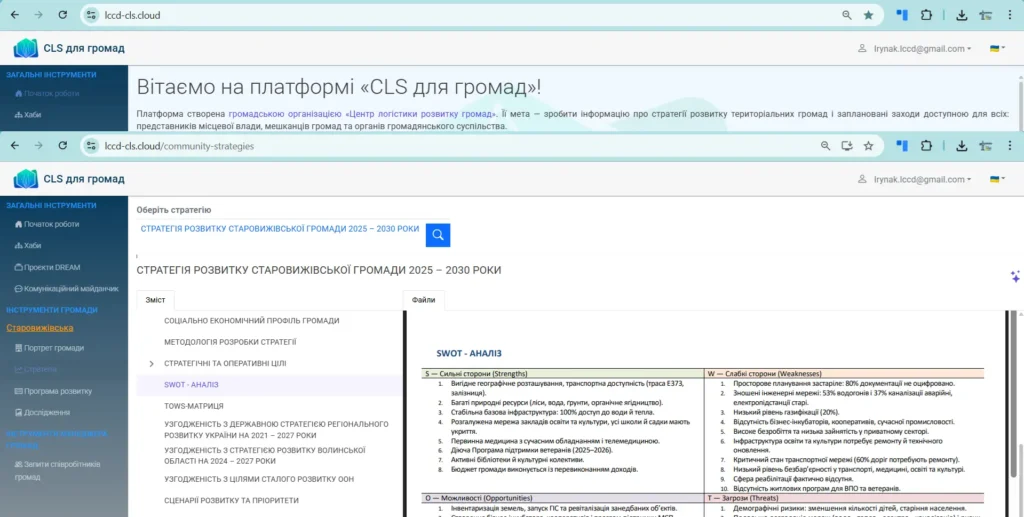
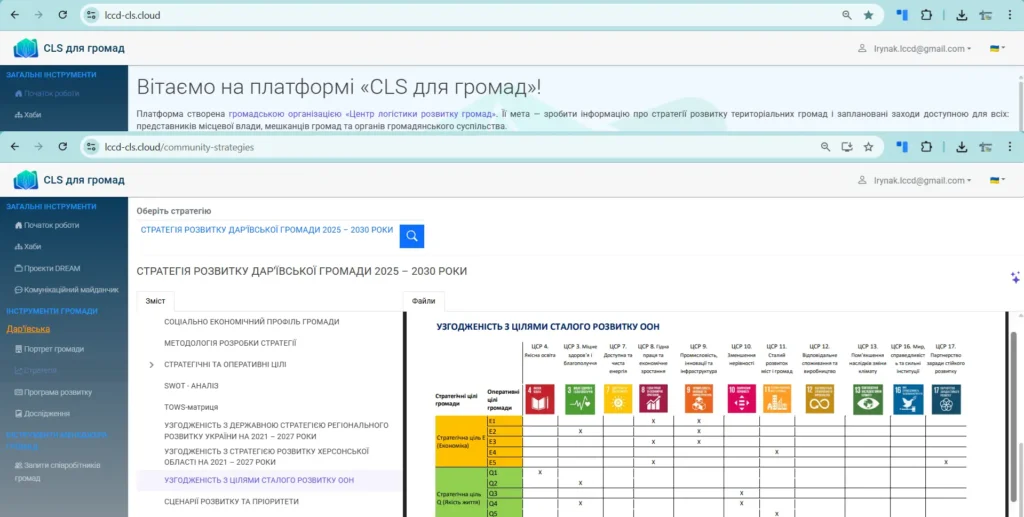
    In 2025, the NGO "Center for Community Development Logistics" worked with territorial communities to develop development strategies using digital tools and analytics. Strategic documents were formed together with digital community development models, which allow the strategy to be used not only as a text document, but as a practical management tool.

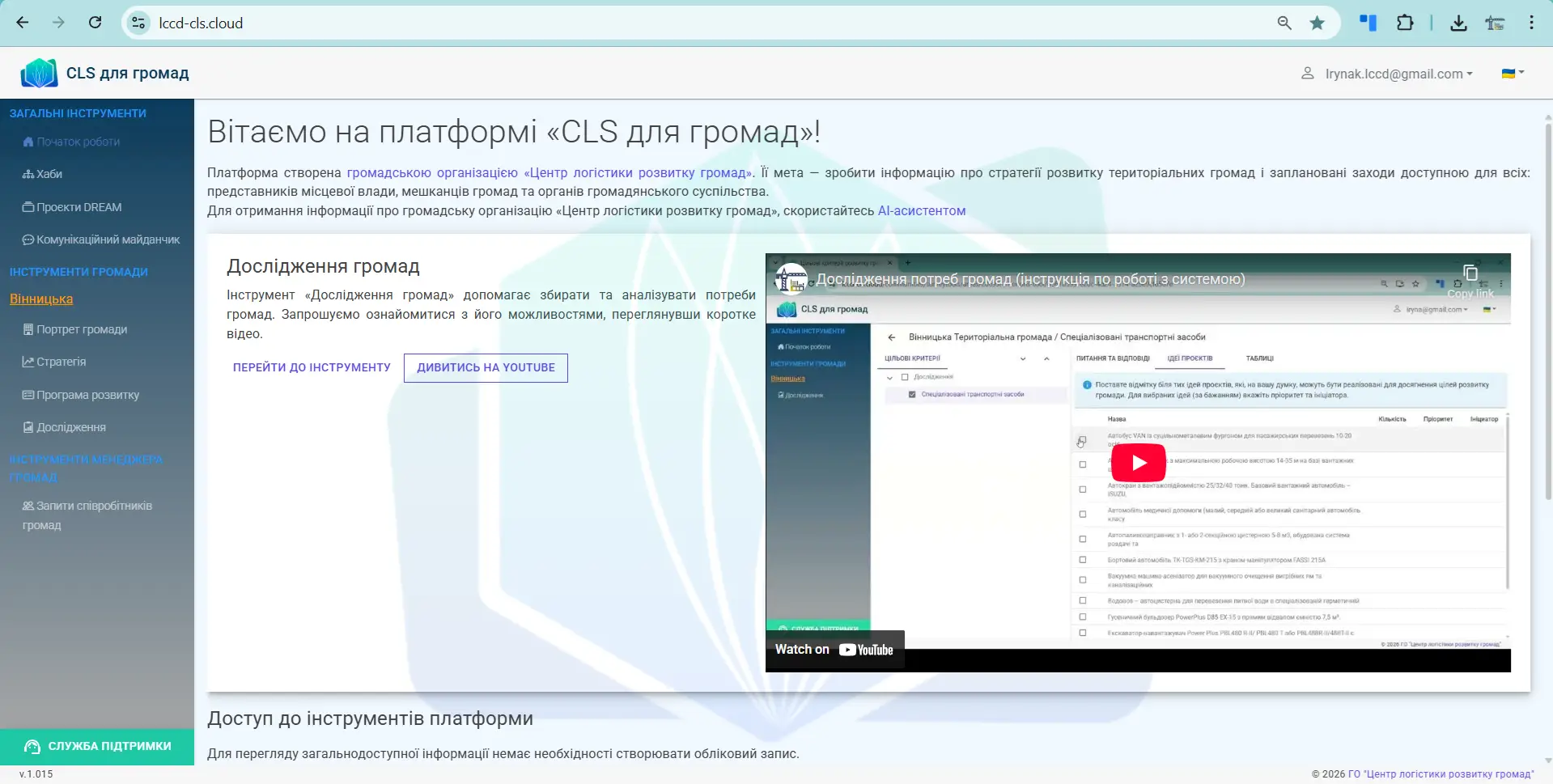
    Work on strategies is carried out using the CLS digital platform, which covers 32 areas of community life and ensures the involvement of residents and local governments in determining development priorities.

    In 2025, the resource center team was strengthened, which made it possible to expand the scope of work and reach a larger number of communities. The support of the International Renaissance Foundation within the framework of the Impulse project allowed us to attract additional specialists to our team and ensure systematic work with strategic planning and digital models of community development.

    Status of community development strategies in 2025

    Approved strategies and digital models:

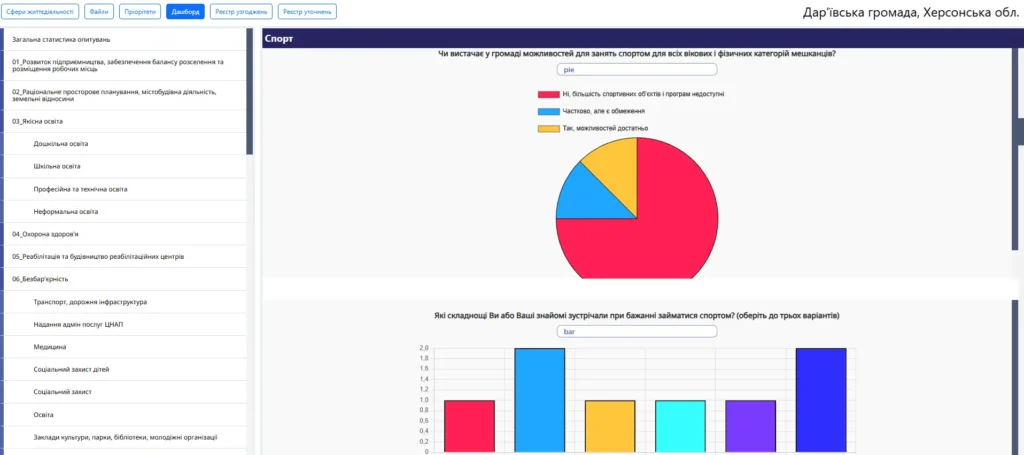
    • Dariv territorial community;
    • Starovyzhiv territorial community.

    Public discussions:

    • Hnizdychiv territorial community.

    Final stage of development:

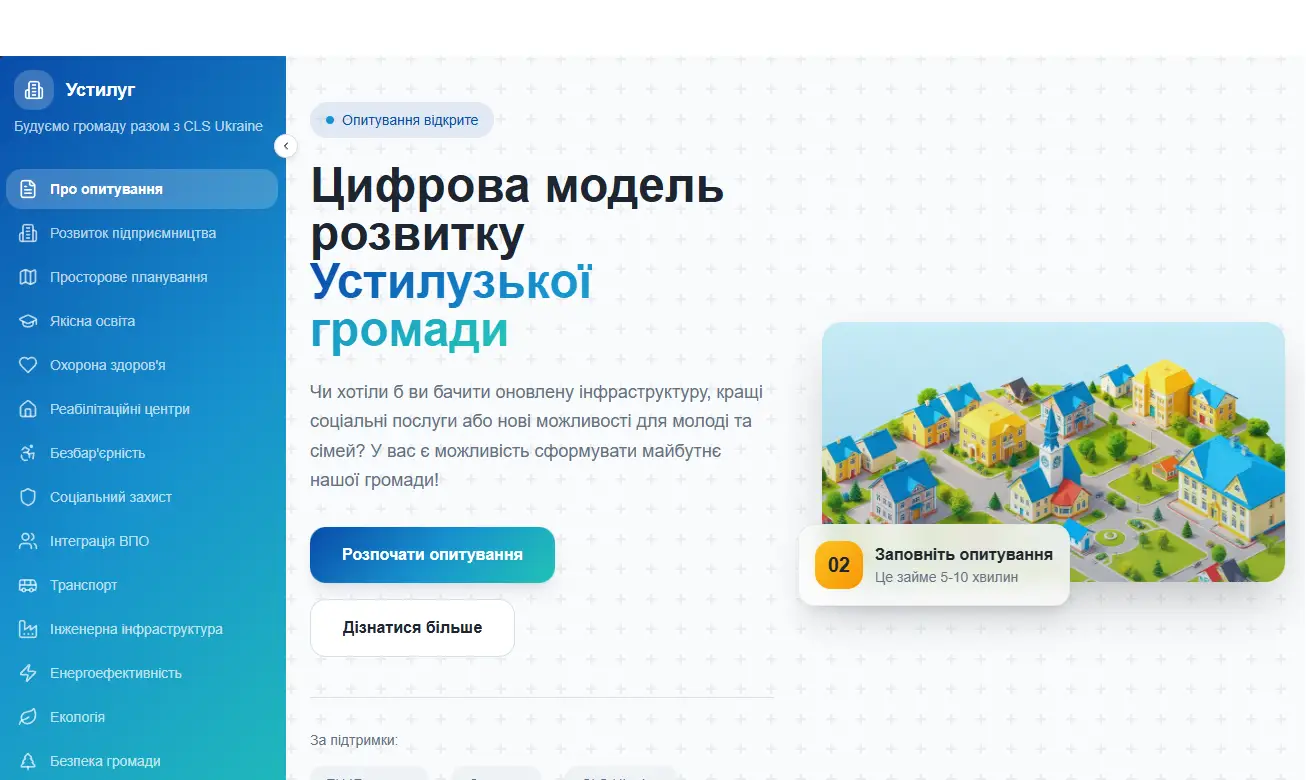
    • Ustilug territorial community;
    • Zaturtsivska territorial community;
    • Ovadnivska territorial community.

    In the development process:

    • Korosten territorial community;
    • Вишнівська територіальна громада;
    • Seversko-Donetsk territorial community 

    How we work with strategies

    The resource center provides communities with:

    • digital strategy builder;
    • a survey tool for residents and local governments;
    • analytics and dashboards based on survey results;
    • the possibility of further monitoring the implementation of the strategy.
    • training, support and consultations.

    This approach allows communities to move from formal strategic documents to living and transparent development management mechanisms that can be updated, analyzed, and used in daily work.

    For public organizations

    If you are a civil society organization and want to initiate the development of a development strategy for your community, you can contact our resource center. We provide training on how to use the tools, provide access to the CLS platform, and support the entire process — from data collection and citizen engagement to the formation of a strategic document and a digital community development model.

    Thanks to partners and communities

    We would like to express our special thanks to our partners, village and city councils, as well as communities who entrusted us with the work on strategic development. Your readiness for change, openness to working with data, and the implementation of more transparent governance mechanisms are the basis for real transformation of communities and sustainable development of territories.

    #РесурсиДляГромад  #СтратегічнийРозвитокГромад  #ЦифровіМоделіГромад  #СтратегіяРозвитку  #CLS  #ІмпульсДляГО

    Author:

  • Супровід інфраструктурних проєктів громад: від ідеї до техніко-економічного обґрунтування

    Support for community infrastructure projects: from idea to feasibility study

    Support for community infrastructure projects: from idea to feasibility study

    The NGO "Center for Community Development Logistics" provides communities and public organizations with practical support in preparing infrastructure and social projects - from forming a request to preparing feasibility studies (FES).

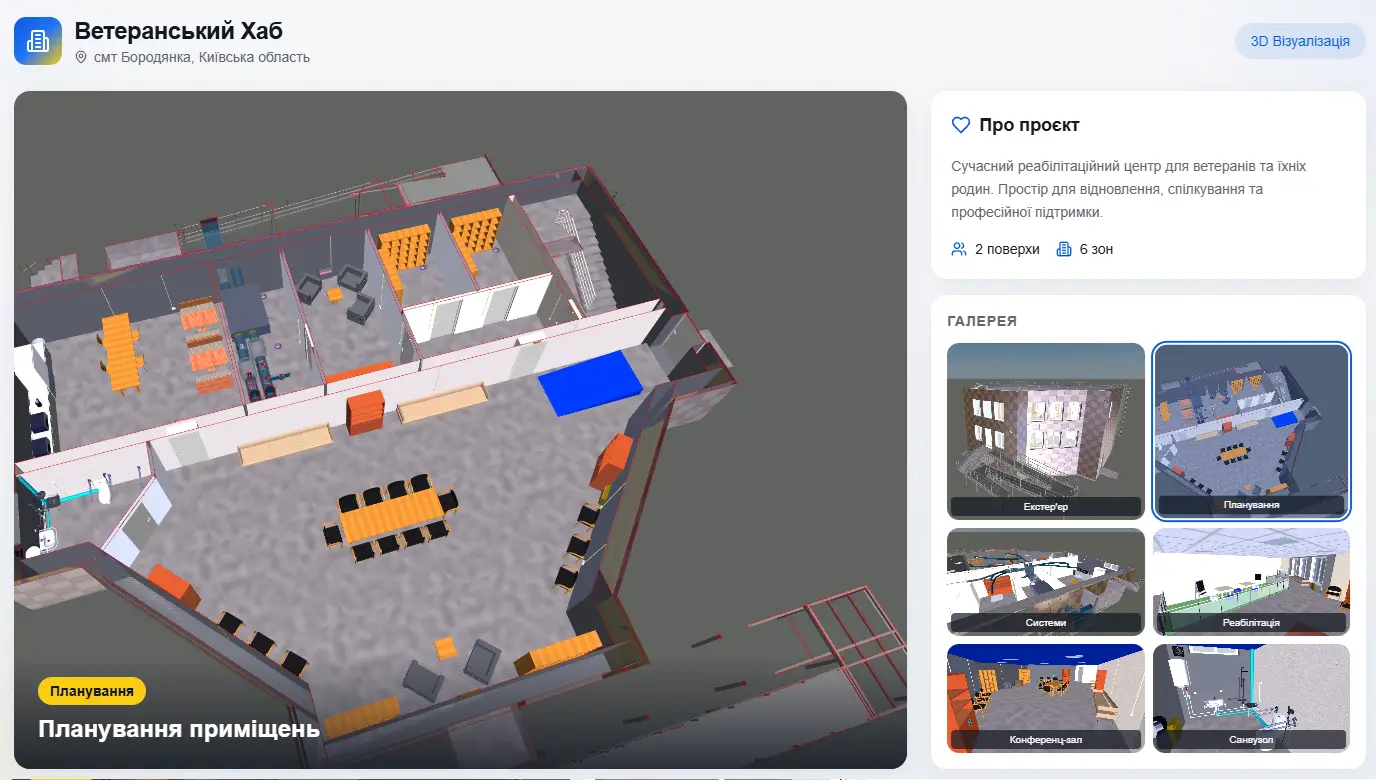
    Within the framework of the infrastructure and investment direction, the resource center team advises local governments and public organizations and, together with them, develops design solutions for social, medical, and public infrastructure facilities.

    Feasibility studies prepared

    Over the past few months, the resource center team has prepared feasibility studies for the following projects:

    • Borodyanska TG, Borodyanka village, Kyiv region — creation of a veteran hub (building reconstruction), Parkova St., building 7-D;
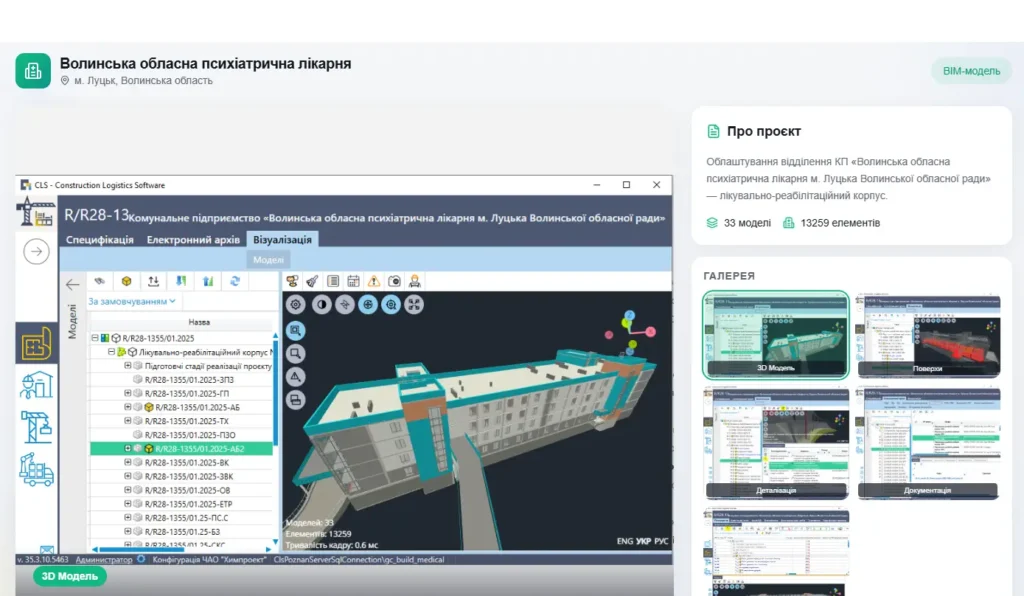
    • Lutsk City Community, Lutsk, Volyn Region — arrangement of a branch of the Municipal Enterprise "Volyn Regional Psychiatric Hospital of Lutsk of the Volyn Regional Council";
    • Ovadnivska TG, Verba village, Volyn region — major renovation of the village club building, Shkilna Street, building 2;
    • Ovadnivska TG, Ovadne village, Volyn region — major renovation of the catering unit of the general secondary education institution "Ovadne Village Lyceum";
    • Starovyzhivska TG, Stara Vyzhivka village, Volyn region — installation of a hybrid solar power plant for the Starovyzhivska Multidisciplinary Hospital;
    • Vyshnivska TG, Volyn region — major renovation of the building of a health care and social assistance institution (rehabilitation center).
    • Boryslavska TG, Boryslav, Lviv region—. Building of preschool educational institution No. 20
    • Boryslavska TG, Boryslav, Lviv region—. Building of the general secondary education institution of I-III degrees No. 4
    • Odesa TG, city Odesa, Odesa region — Current renovation of part of the premises for the creation of the Mental Health Center of the KNP "Odessa Regional Children's Hospital" at the address: Vitalia Nesterenko Street, 3

    All of the above-mentioned facilities have prepared feasibility studies. At the same time, the feasibility study is a complex and costly stage of preparing an infrastructure project, without which moving on to the next stage — finding funding and submitting applications to donors, government programs, or international financial organizations — is impossible.

    The Resource Center does not charge a fee for preparing a feasibility study, but expects communities and public organizations to be willing to work consistently. Before developing feasibility studies, the community goes through the stage of forming a digital development model, which is based on surveys of residents and local government bodies in 32 areas of life. This allows you to make sure that the projects meet the real needs of the community and have a strategic justification.

    The ability to prepare feasibility studies, engineering calculations and 3D architectural solutions is provided by the work of engineering and design specialists involved in the resource center. This area of ​​our activity was strengthened thanks to the support of the International Renaissance Foundation within the framework of the Impulse project. It is at this stage that a qualitative basis is formed for the further implementation of projects and attracting financing.

    #ResourcesForCommunities #StrategicCommunityDevelopment #DigitalCommunityModels #DevelopmentStrategy #CLS #MomentumForCSOs

    Author:

  • Опитування мешканців і аналітика: як громади визначають пріоритети розвитку

    Resident survey and analytics: how communities determine development priorities

    Resident survey and analytics: how communities determine development priorities

    Involving residents in determining development priorities is a key component of community strategic planning. 

    In 2025, the NGO "Center for Community Development Logistics" expanded its work in this direction, combining digital tools, communication support, and analytics.

    Surveys are conducted using the CLS platform and cover 32 areas of community life, which allows for the collection of structured data and the formation of informed decisions regarding the future development of communities.

    Survey of residents in communities

    Over the past few months, resident surveys have been conducted in the following communities:

    Ovadnivka territorial community, Volyn region — 67 questionnaires;

    Ustyluzh territorial community, Volyn region — 195 questionnaires;

    Zaturtsivska territorial community, Volyn region — 151 questionnaires;

    Hnizdychiv territorial community, Lviv region — 36 questionnaires.

    The survey results became the basis for forming digital community development models, identifying priority projects, and preparing development strategies.

    Communications team and resident engagement

    In 2025, the resource center's communications team was expanded, which allowed for a significant increase in the direction of involving residents in planning processes. The expansion of the team was made possible thanks to support within the framework of the Impulse project, which made it possible to work with communities more systematically and reach a wider audience of residents.

    Individual community websites and “live” surveys

    A separate website is being developed for each community, which is used as the main platform for conducting surveys of residents. In the future, such a site can be used by the community for other purposes - repeated surveys, consultations, collecting proposals, and communicating with residents.

    Surveys are “live”: results are automatically displayed on analytical dashboards in real time. This allows communities, local governments, and public organizations to immediately see the dynamics of responses, analyze the data, and use it to make decisions.

    For public organizations 

    Civil society organizations can contact the resource center to organize surveys in their communities. We provide tools, communication support, and analytics to ensure that citizen engagement is systematic, transparent, and beneficial for the further development of the community.

    #ResourcesForCommunities #StrategicCommunityDevelopment #DigitalCommunityModels #DevelopmentStrategy #CLS #MomentumForCSOs

    Author:

  • Аналітичний звіт і база типових проєктів: ресурс для громад та ОГС

    Analytical report and database of typical projects: a resource for communities and CSOs

    Analytical report and database of typical projects: a resource for communities and CSOs

    With the support of the International Renaissance Foundation within the framework of the Impulse project, the Resource Center prepared an analytical report that became the basis for forming a base of typical reuse projects for communities and public organizations.

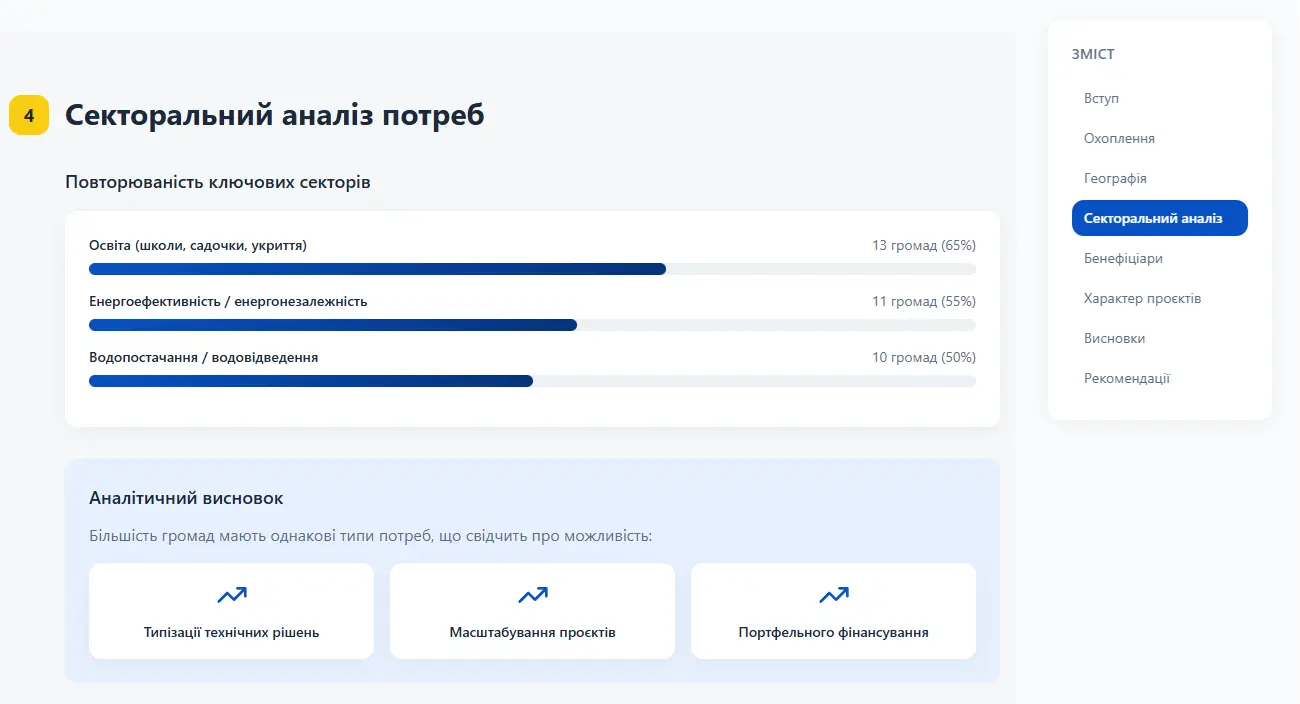
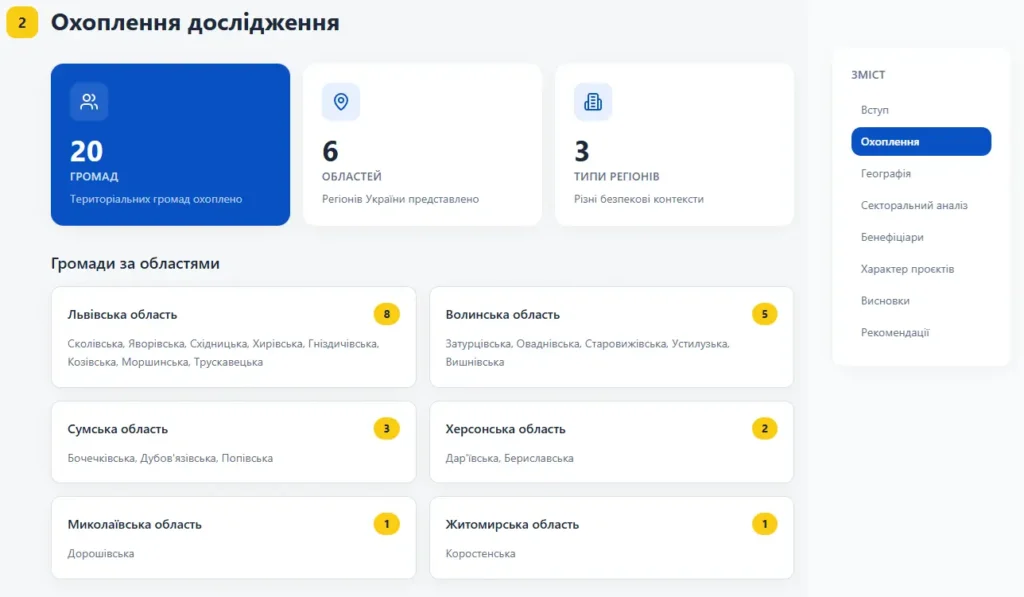
    The analytical work is based on a systematic analysis of requests from territorial communities and practical experience in supporting infrastructure and social projects. The study analyzed 20 territorial communities in 6 regions of Ukraine, taking into account different security and socio-economic contexts.

    Key analytics results

    The analysis showed that communities, regardless of region, form a similar structural request, in particular in the areas of:

    • educational infrastructure;
    • energy efficiency and energy independence;
    • social and medical infrastructure;
    • security and civil protection;
    • water supply and drainage;
    • youth, sports and cultural infrastructure.

    The recurrence of such needs creates opportunities for typification of technical solutions, scaling of projects, and application of a portfolio approach to their implementation.

    Database of typical reuse projects

    Based on the analytical report, the Resource Center is forming a database of typical reuse projects, which will be available to local governments and public organizations.

    The database will include:

    • structured descriptions of typical projects;
    • indicative budgets and readiness levels;
    • implementation logic and expected social effect;
    • recommendations for further refinement and funding attraction.

    For CSOs and LSGs

    For public organizations and local governments, the database of typical projects will become a practical tool that will help:

    • to form project initiatives for their communities more quickly;
    • rely on analytics and proven solutions;
    • reduce the time for preparing applications;
    • improve the quality of projects submitted for funding.

    The formation of a base of typical projects is part of a systemic approach to community development and is aimed at moving from isolated initiatives to more coordinated and effective solutions.

    A detailed analytical report and access to the database of typical reuse projects will be published later. Information about opening access will be posted on the Resource Center website.

    #ResourcesForCommunities #StrategicCommunityDevelopment #DigitalCommunityModels #DevelopmentStrategy #CLS #MomentumForCSOs

    Author:

  • На сайті ГО «Центр логістики розвитку громад» з’явився розділ «Ресурси для громад»

    A section called "Resources for Communities" has appeared on the website of the NGO "Center for Community Development Logistics"

    A section called "Resources for Communities" has appeared on the website of the NGO "Center for Community Development Logistics"

    As part of the organization's institutional development and with the support of the International Renaissance Foundation within the framework of the Impulse project, our website has undergone positive changes. We have created a separate section "Resources for Communities." It contains tools, services, and analytical materials that the organization uses in practical work with communities.

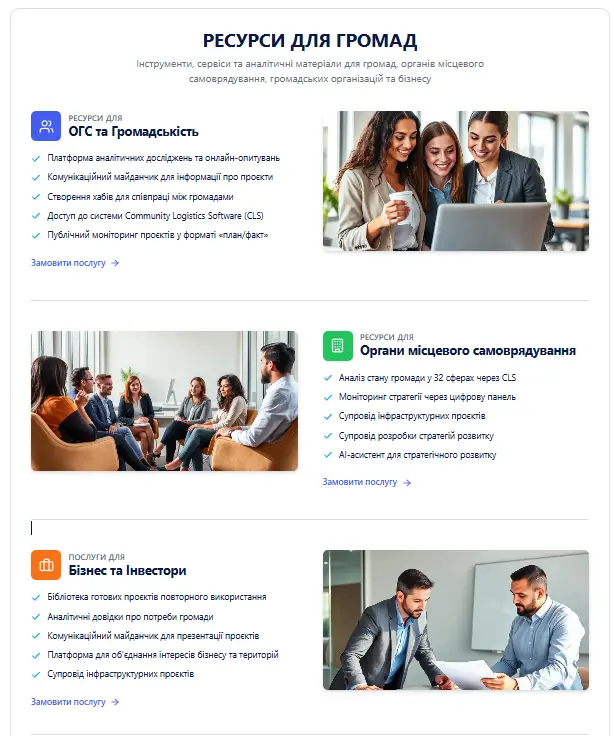
    The section was created so that communities, local governments, public organizations, businesses, and investors could easily familiarize themselves with cooperation opportunities and available resources.

    For CSOs and the public

    The section presents:

    • tools for surveying residents and collecting suggestions;
    • access to analytics and public monitoring of project implementation (“plan / fact”);
    • open review of community development strategies and plans in the CLS system;
    • a communication platform for exchanging information and establishing partnerships.

    For local governments (LGs)

    Communities and local governments can explore the following opportunities:

    • analysis of the state of the community based on the CLS digital model in 32 areas of life;
    • tools for strategic planning and monitoring the implementation of development strategies;
    • support of infrastructure projects - from preparation of documentation to implementation management;
    • analytical support for management decisions.

    For business and investors

    The section also contains information about:

    • a library of typical infrastructure reuse projects;
    • analytical reports on community needs;
    • opportunities for partnership, co-financing and participation in community projects.

    You can read the section on the organization's website. https://www.lccd.org.ua/resources/

    #ResourcesForCommunities #StrategicCommunityDevelopment #DigitalCommunityModels #DevelopmentStrategy #CLS #MomentumForCSOs

    Author: