Why great projects don't always deliver results—and what to do about it
Today, the civil society sector in Ukraine plays an extremely important role in supporting communities. Civil society organizations and charitable foundations implement projects, work with vulnerable groups, ensure access to services, and often become key players in areas where other institutions have limited capacity.
Many of these projects are high-quality, necessary, and deliver tangible results right here and now.
At the same time, a question is increasingly being raised: why, even with a significant number of initiatives implemented, does the long-term effect not always turn out as expected?
The number of projects is growing, but these changes do not always contribute to the community's systematic development.
It's not a matter of the quality of the work. It's a matter of approach.
Most projects are implemented according to the following logic: there is a need—there is a resource—there is a project—there is a result. And this logic works. But often, projects remain isolated initiatives. They are not interconnected, are not integrated into the overall logic of community development, and do not reinforce one another. As a result, a significant portion of the efforts does not translate into long-term impact.
Here’s a simple example. A community is implementing a project to renovate its library. This is important and necessary. But once the project is completed, questions arise: Are there funds to maintain it? Is this provided for in the community budget? Is there sufficient demand for the services? If the economic situation in the community does not change, jobs are not created, and budget revenues do not grow, maintaining even the renovated infrastructure becomes difficult. In such a case, a good project does not become a long-term solution.
This highlights one important point: community development is not a collection of individual projects, but a system of interconnected areas. Social initiatives, the economy, infrastructure, and education—all of these influence one another. And the effectiveness of each individual project depends on what is happening in the other areas.
That is precisely why it is important to change our approach. It is not enough to simply implement projects; we must integrate them into the broader framework of community development. We must ask not only “what will be accomplished within the scope of the project,” but also “what will happen after its completion,” “how does this relate to other processes,” and “does this support the community’s strategic priorities.”
In practice, this means several things. It is important to look beyond the boundaries of a single project and understand which area of development it falls under and what factors influence its outcome. It is advisable to verify whether the project aligns with the community’s strategic documents and, if necessary, initiate a dialogue. Partnerships with local government bodies are also key, as they are the ones that provide the budgetary framework, planning, and sustainability of decisions. Finally, it is necessary to think in advance about what will happen after funding ends: who will be responsible for the outcome, what resources will be used, and how this solution can be scaled up.
Digital tools play a key role in this process. They allow us to view all projects within a single system, understand the relationships between them, avoid duplication, and plan for development in a more comprehensive manner. This is particularly important when there are a large number of initiatives and limited resources.
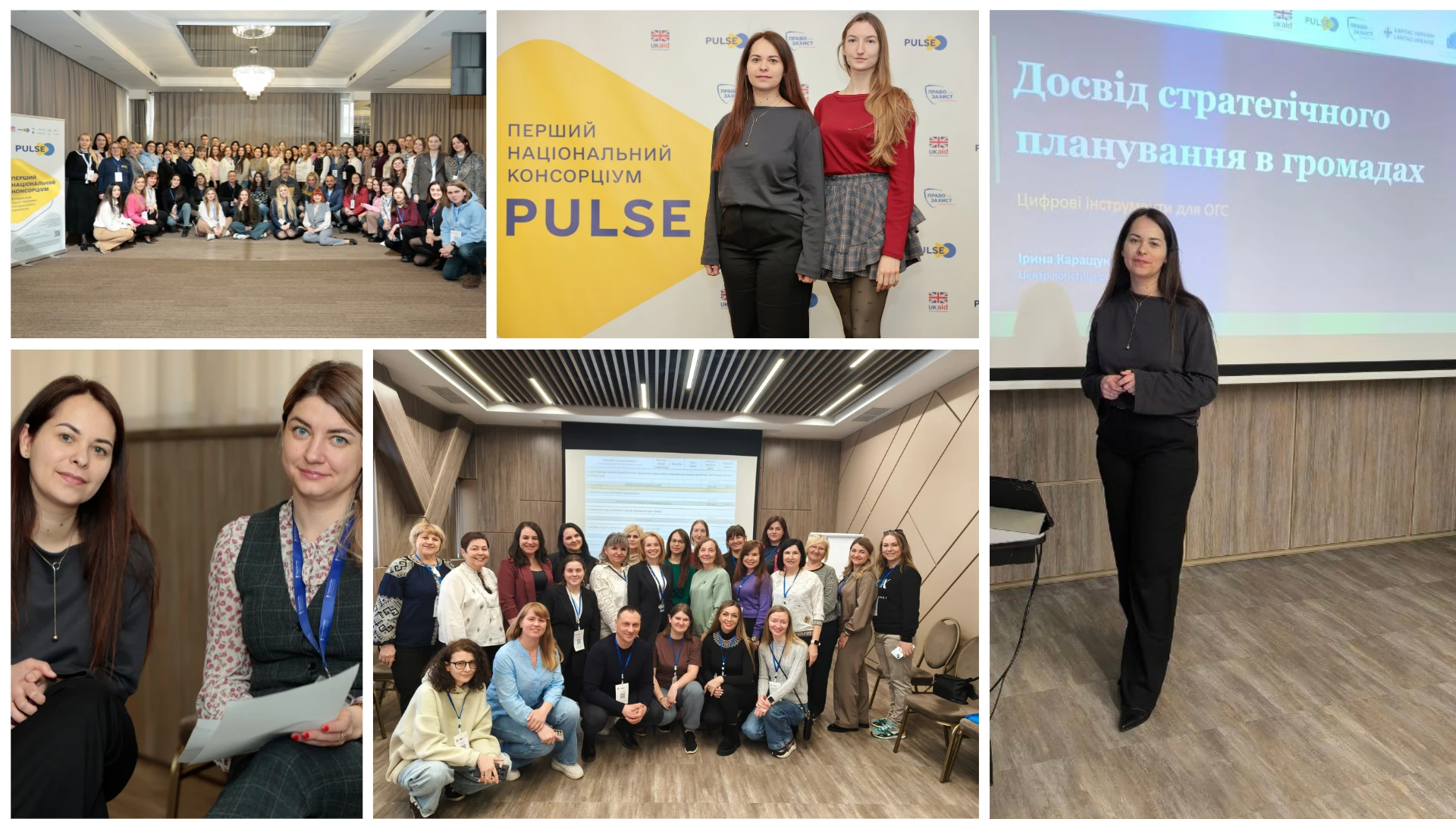
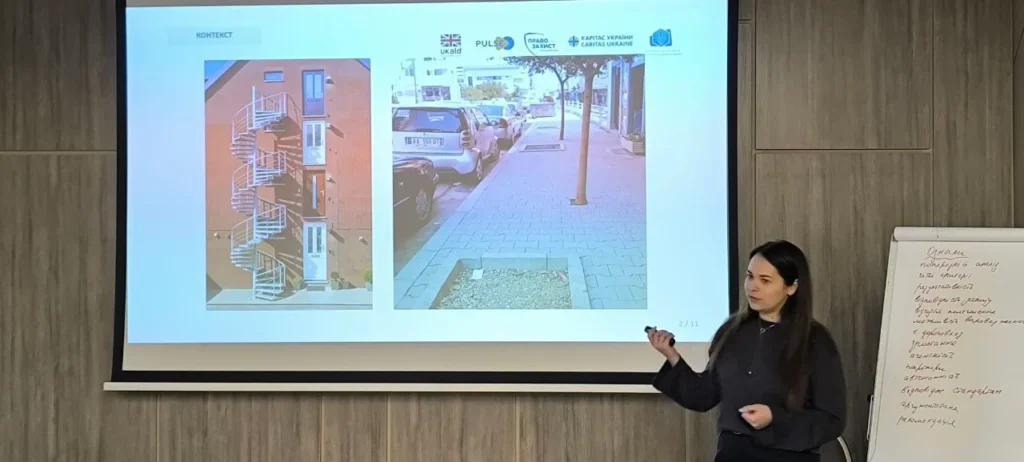
These issues are currently the subject of active discussion within the sector. In particular, they were raised during the “Pulse of Protection” grantee forum organized by the “Right to Protection” Charitable Foundation, which served as a platform for professional dialogue among organizations from various regions of Ukraine. Such an exchange of experiences shows that the demand for a systematic approach and long-term impact is shared by many.
Today, the civil society sector is already making a significant impact. The next step is not to do more, but to work in a more systematic way: linking projects together, building partnerships with communities, taking into account the interconnections between different sectors, and focusing on long-term results. This is precisely what enables us to turn individual initiatives into lasting change.
Author: