CLS Reusable Projects Library: How Communities Can Develop Solutions for Recovery and Development More Quickly
One of the practical challenges communities face today is not only securing funding but also the lengthy process of developing project proposals. Even when the need is obvious, it still needs to be translated into a clear format: determining the type of facility, estimating the cost, preparing procurement specifications, and adapting the solution to the specific area. It is at this stage that time is often lost.
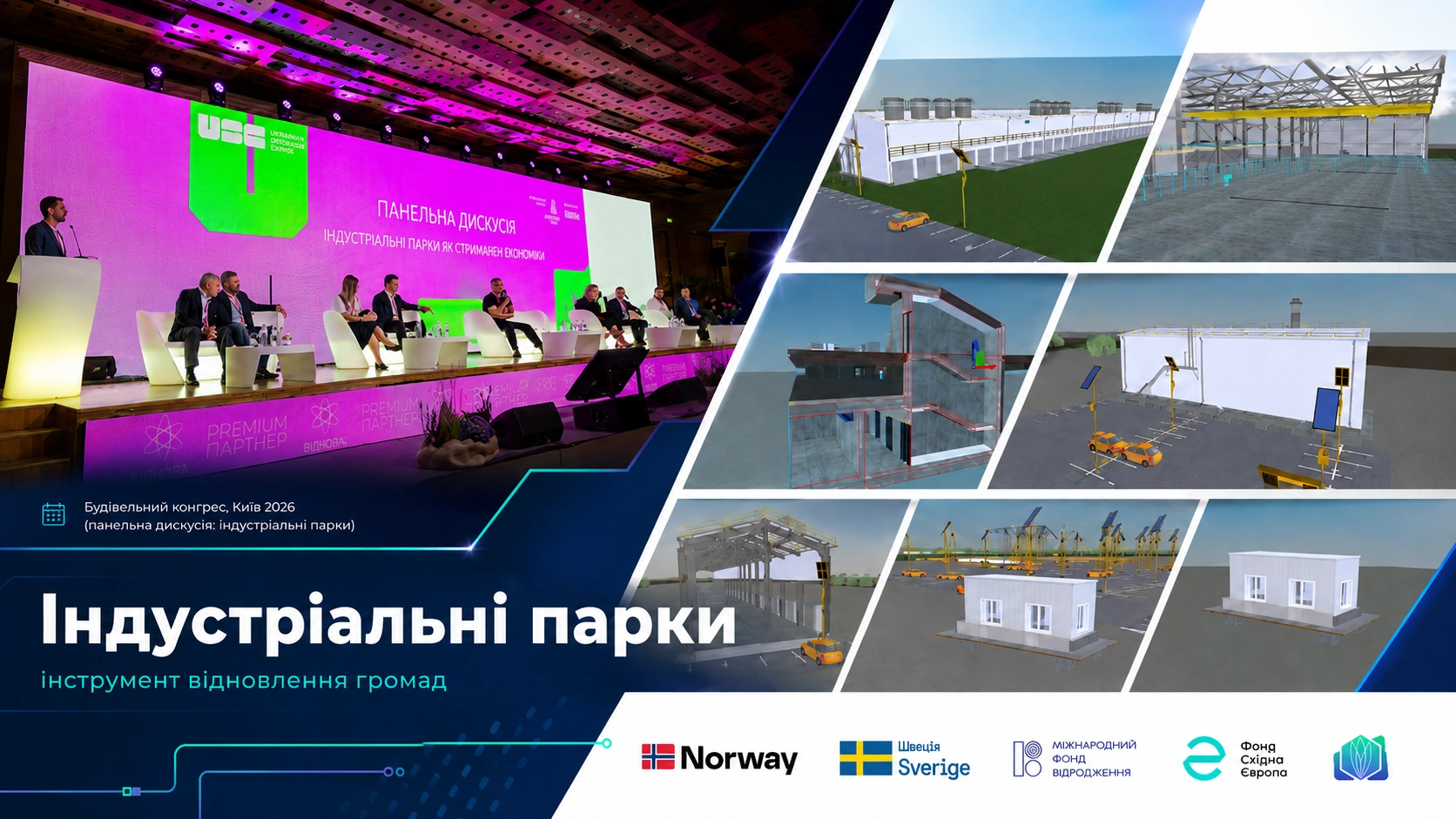
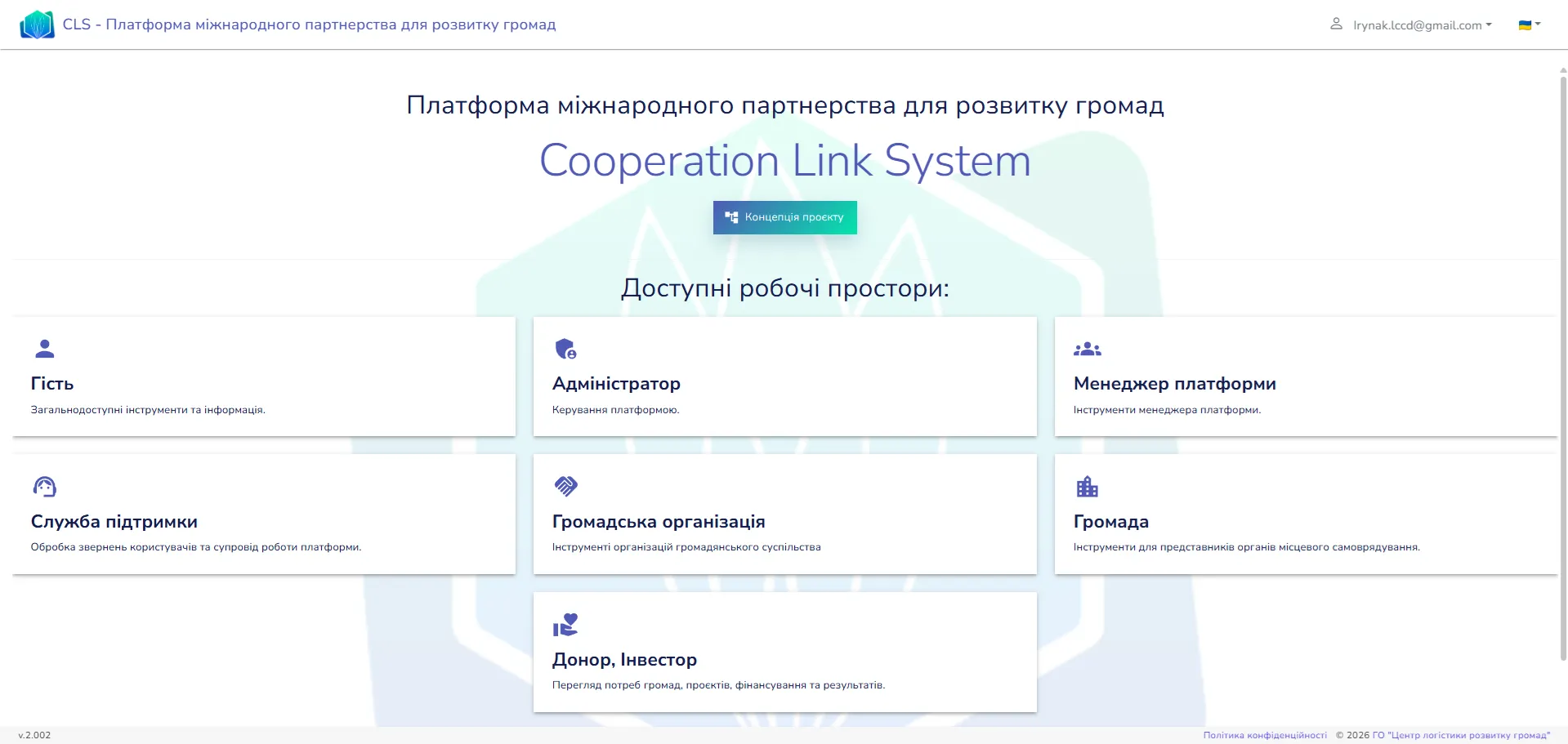
To streamline this process, CLS is building a library of reusable projects. This is a collection of ready-made project solutions that can be used as a foundation for further adaptation to the needs of a specific community.
As of today, the library covers the following areas:
- hospitals;
- shelter;
- single-family homes and high-rise buildings;
- roof repairs, window replacement, and other repair and restoration work;
- veterans’ hub;
- library.
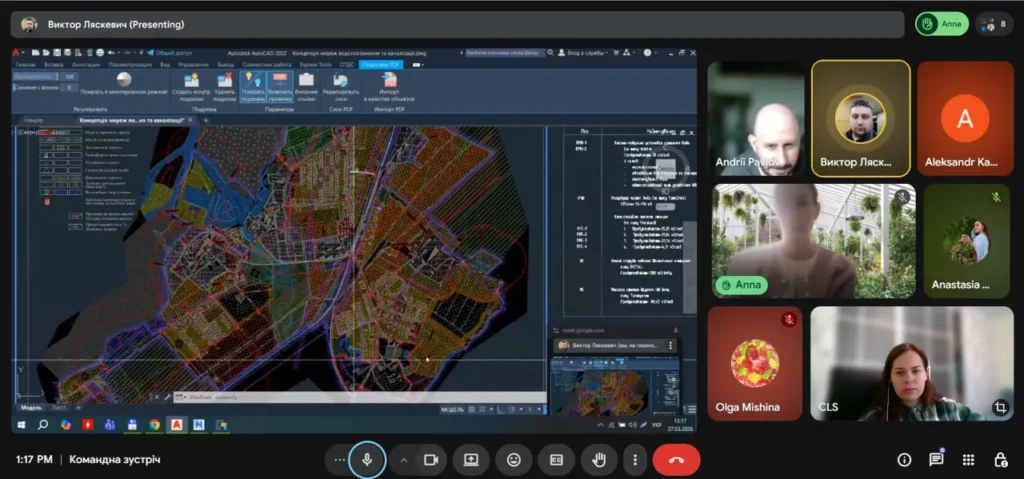
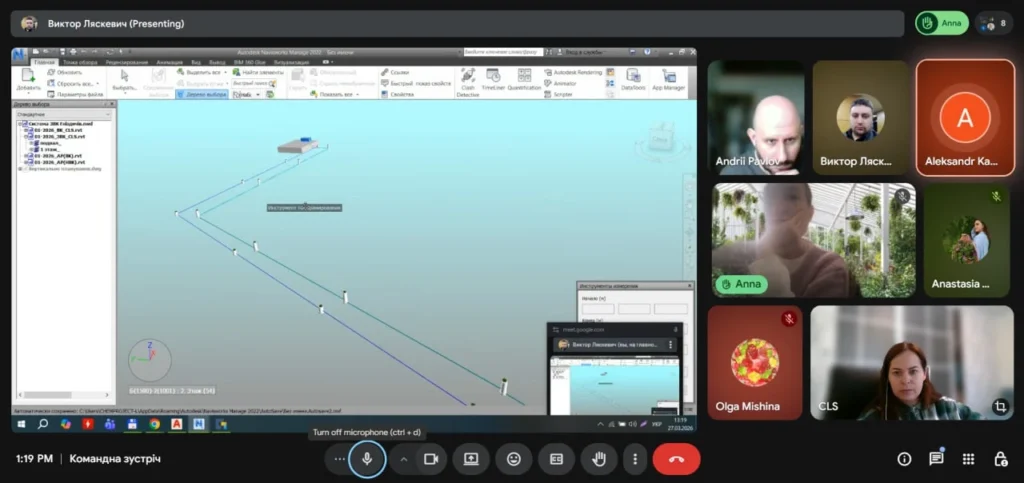
In March, projects related to the kindergarten, as well as water supply and sewerage, were also added to the library.
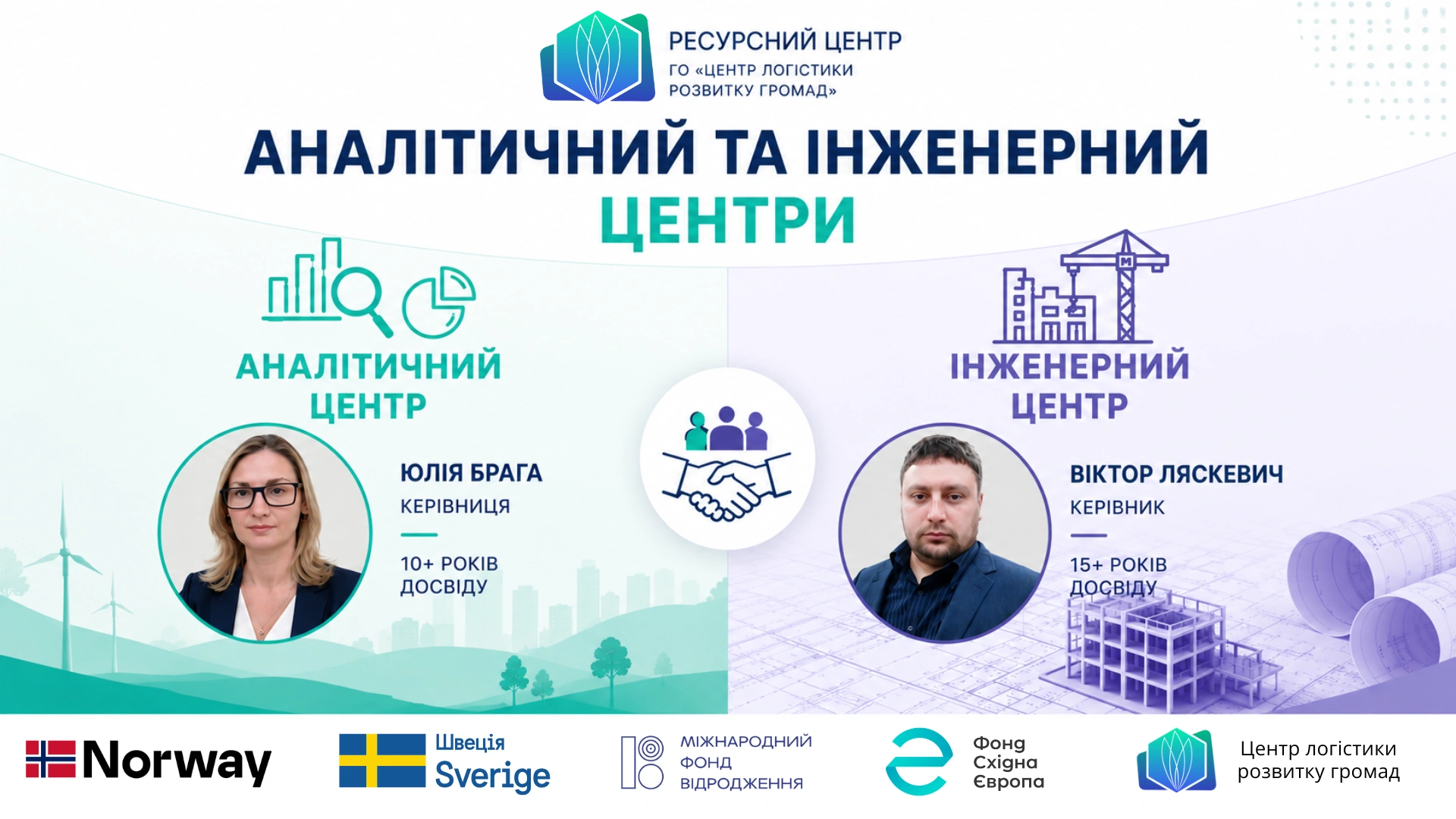
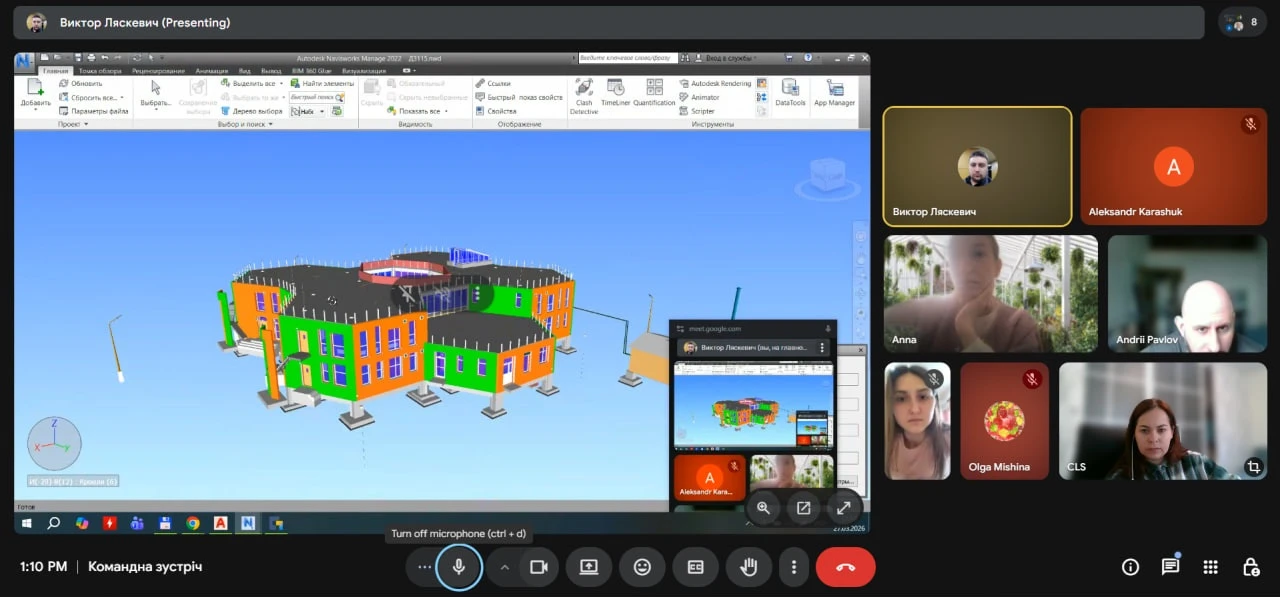
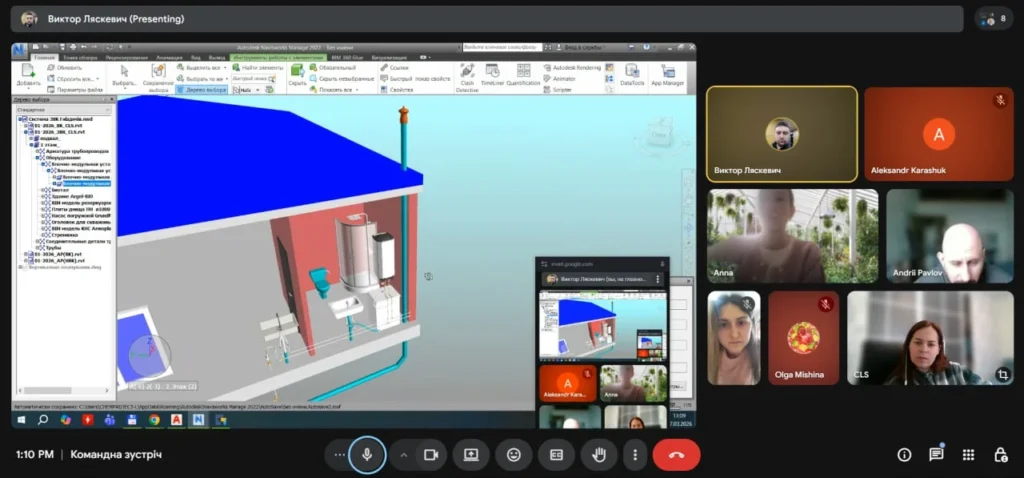
The ability to prepare feasibility studies, engineering calculations, and 3D architectural designs is made possible by the work of engineering and design specialists involved in the resource center’s activities. This aspect of our work has been strengthened thanks to the support of The International Renaissance Foundation as part of the “Impulse” project.
The practical value of this approach lies in the fact that it provides the community with a foundation for quickly developing a project. Based on the existing plan, it is possible to promptly draw up a preliminary budget, prepare procurement specifications, and move on to the next stage of work. All that remains is to tailor the essentially complete project to the location, parameters, and needs of the specific community.
This approach is particularly important for local governments, which must simultaneously manage a wide range of diverse tasks—from public safety and housing to social and public infrastructure. Once standard solutions are in place, the community team can focus not on starting from scratch, but on adapting, setting priorities, and preparing for implementation.
This also offers practical benefits for potential partners and clients. Having a library of reusable projects allows for a quicker transition to substantive discussions about the scope of work, resource requirements, and implementation format. This improves the quality of solution development and simplifies subsequent work related to financing, partnerships, and planning.
For our resource center, the CLS library is part of a systematic approach to supporting communities. We strive to ensure that communities receive not abstract recommendations, but a ready-made framework for action: solutions that can be quickly adapted, costed, and integrated into the logic of recovery and development.
This is precisely the practical benefit of working with our resource center: we help shorten the path from identifying a need to developing a ready-to-implement project, reduce the workload on the community team, and increase its readiness to implement specific solutions.
Author: