CLS is updating its interface and developing digital tools for communities
The CLS platform continues to evolve. Our team is growing, the resource center is stepping up its efforts, and our digital tools are becoming more user-friendly, organized, and useful for communities, partners, donors, investors, and platform users.
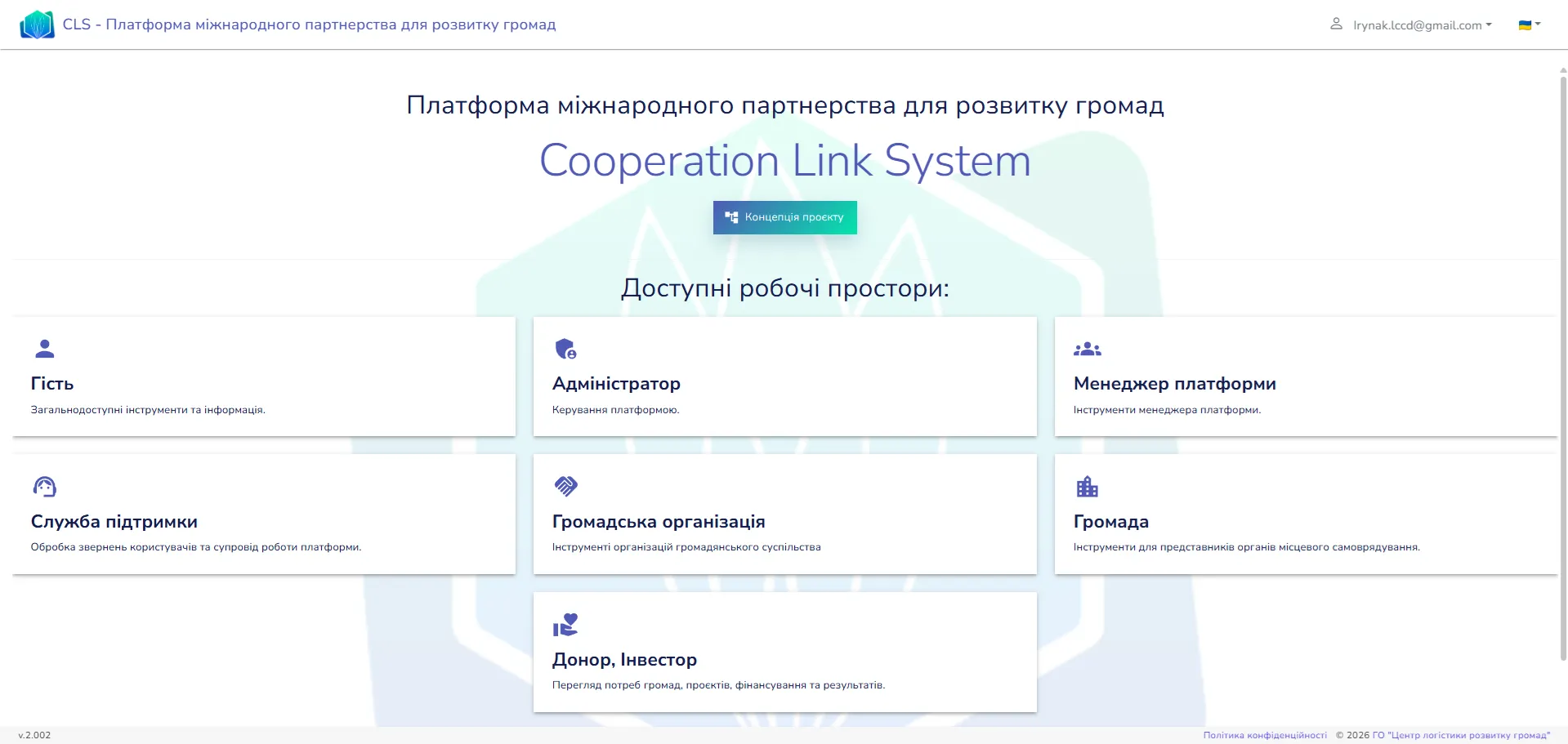
As part of this development, CLS has introduced a redesigned interface.
We understand that any changes in the digital environment may raise questions among users. That is why it is important to emphasize that the basic logic of using the platform remains simple and straightforward.
As before, the user follows the basic steps for interacting with the platform:
Sign up or log in → select a role → go to the workspace → access the relevant tools.
What has changed
The updated interface now includes a home page. It helps users quickly find their way around and navigate to the workspace they need.
Workspaces are configured based on the user's role and access level. This means that each user sees only the tools they need for their work.
The platform supports various roles, including:
community;
nonprofit organization;
donor;
investor;
administrator;
platform manager;
guest.
This approach makes the platform more user-friendly, intuitive, and secure for a wide range of users.
“Guest” mode A separate mode is provided “The Guest”. In this mode, you can view the publicly available tools and explore the features of CLS. This is helpful for those who are just getting started with the platform, want to see how it’s structured, and understand how CLS can be useful for community development.
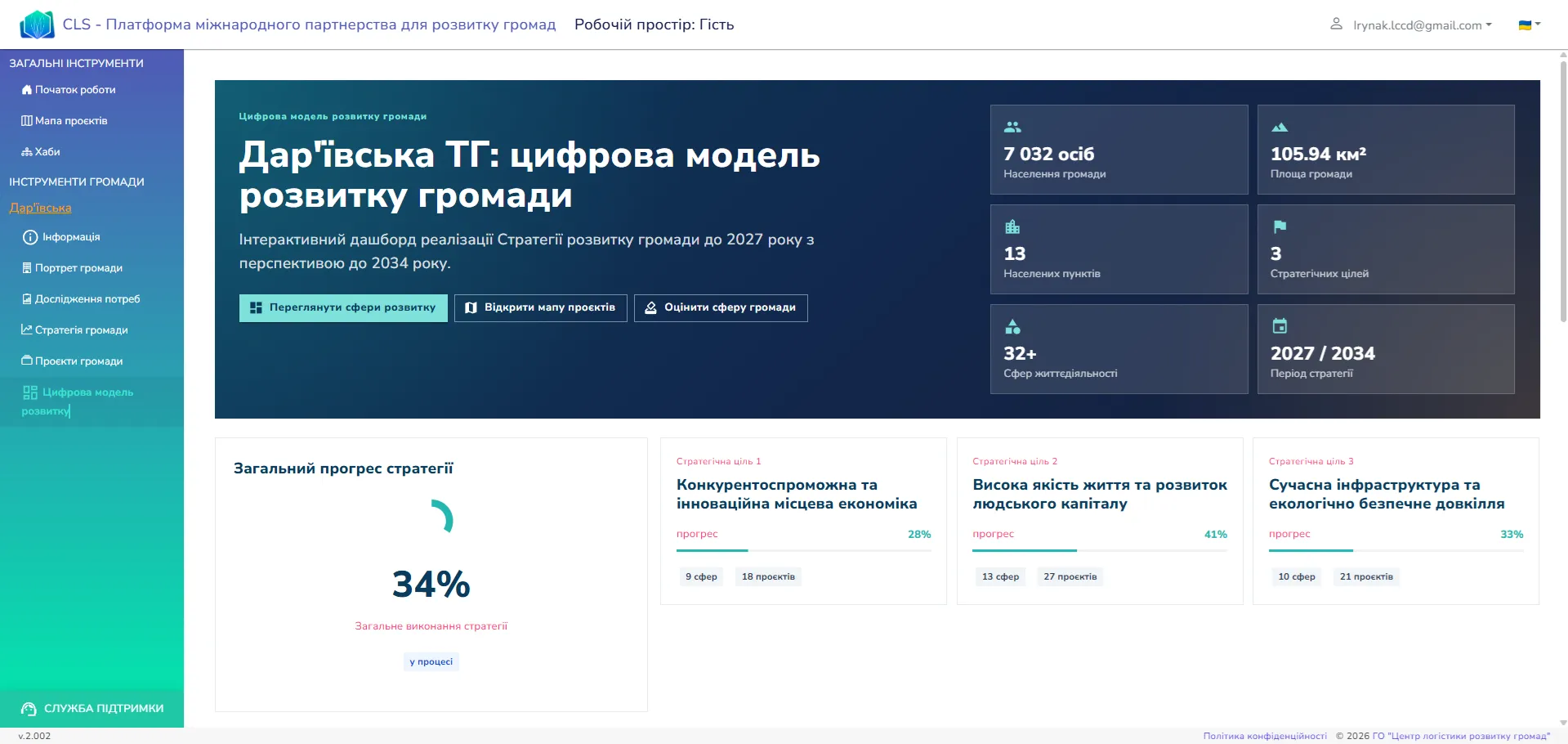
Digital Models of Community Development One of CLS’s key areas of focus is the creation of digital community development models. Soon, every community that has developed a development strategy in collaboration with CLS will receive its own digital development model.
A Digital Development Model - is an interactive space in which a community’s strategy becomes not just a text document, but a practical tool for action.
In this model, you will be able to see:
the community's strategic goals;
areas of development;
projects;
the logic behind the strategy's implementation;
progress report.
This enables communities to better plan for development, track changes, engage partners, and gradually transition from a strategy “on paper” to a dynamic digital development management system.
We're not standing still The interface update is more than just a technical change. It is part of CLS’s broader development as a resource center and digital platform for communities. We are building our team, expanding our expertise, creating new opportunities, and working to ensure that communities have access to modern tools for strategic planning, recovery, attracting investment, and implementing projects.
The activities and development of the resource center of the NGO "Logistics Center for Community Development" are carried out with the support of the International Renaissance Foundation as part of the “Impulse” project.
CLS grows alongside communities. And our main focus remains the same—to help communities envision their future, plan for it, and bring it to life using digital tools.
Strategic Environmental Assessment of Community Development Strategies: What communities experience show us in Ukraine
In connection with the signing of the Association Agreement with the European Union and in accordance with Directive 2001/42/EC and the Protocol on Strategic Environmental Assessment to the Convention on Environmental Impact Assessment in a Transboundary Context, Ukraine adopted Law No. 2354-VIII of March 20, 2018 “On Strategic Environmental Assessment”. It is this Act that establishes the legal framework for conducting strategic environmental assessments of state planning documents.
A Strategic Environmental Assessment (SEA) is a procedure for identifying, describing, and evaluating the environmental impacts of implementing national planning documents, including their effects on public health. State planning documents include strategies, plans, schemes, urban planning documentation, state target programs, and other policy documents that are developed or approved by state authorities or local governments.
The SEA procedure is also linked to the achievement of the goals set out in Ukraine’s Sustainable Development Goals for the period up to 2030, particularly regarding sustainable cities and communities, responsible consumption and production, combating climate change, and the conservation of ecosystems.
To the NGO "Logistics Center for Community Development" Communities often reach out with questions about the SEA: when it is required, which documents it applies to, what stages it involves, and how environmental issues should be taken into account when developing a development strategy.
To gain a better understanding of SEA practices, our team analyzed data from Unified Register of Strategic Environmental Assessments regarding community development strategies and action plans. The analyzed portion of the registry contains regional government planning documents, including development strategies, action plans, “strategy + action plan” documents, and amendments and updates to strategic documents.
What the analysis of the Unified Register of CEOs reveals
For the analysis, we selected records related to development strategies for local communities and action plans for their implementation. If the title of a document referred to both a strategy and an action plan, that community was counted in both categories: as a community with a record of a strategy and as a community with a record of an action plan.
To calculate the proportion, we used the number of territorial communities in each region, as reported by the “Decentralization” portal. The portal states that 1,469 territorial communities have been established in Ukraine, including 31 communities in the uncontrolled territories within the Donetsk and Luhansk regions; the portal also provides the number of communities by region.
Important: The figures below reflect the proportion of communities for which the analyzed registry data set contains records of SEAs for strategies or action plans. This does not constitute a legal opinion regarding the completeness or quality of each community’s implementation of the CEO procedure.
Region
Number of local communities in the region
local communities with a SEA for strategic planning
Percentage of local communities
local communities with an SEA for action plans
Percentage of local communities
Vinnytsia
63
6
9,5%
5
7,9%
Volyn
54
10
18,5%
6
11,1%
Dnipropetrovsk
86
23
26,7%
16
18,6%
Donetsk
46
6
13,0%
3
6,5%
Zhytomyr
66
17
25,8%
5
7,6%
Zakarpattia
64
24
37,5%
19
29,7%
Zaporizhzhia
67
7
10,4%
1
1,5%
Ivano-Frankivsk
62
13
21,0%
4
6,5%
Kyiv
69
25
36,2%
7
10,1%
Kirovograd
49
17
34,7%
9
18,4%
Luhansk
26
1
3,8%
0
0%
Lviv
73
33
45,2%
28
38,4%
Mykolaiv
52
13
25,0%
10
19,2%
Odessa
91
15
16,5%
7
7,7%
Poltava
60
55
91,7%
16
26,7%
Rivne
64
36
56,2%
13
20,3%
Sumy
51
14
27,5%
9
17,6%
Ternopil
55
17
30,9%
8
14,5%
Kharkiv
56
26
46,4%
24
42,9%
Kherson
49
5
10,2%
3
6,1%
Khmelnytskyi
60
21
35,0%
7
11,7%
Cherkasy
66
20
30,3%
6
9,1%
Chernivtsi
52
5
9,6%
2
3,8%
Chernihiv
57
22
38,6%
14
24,6%
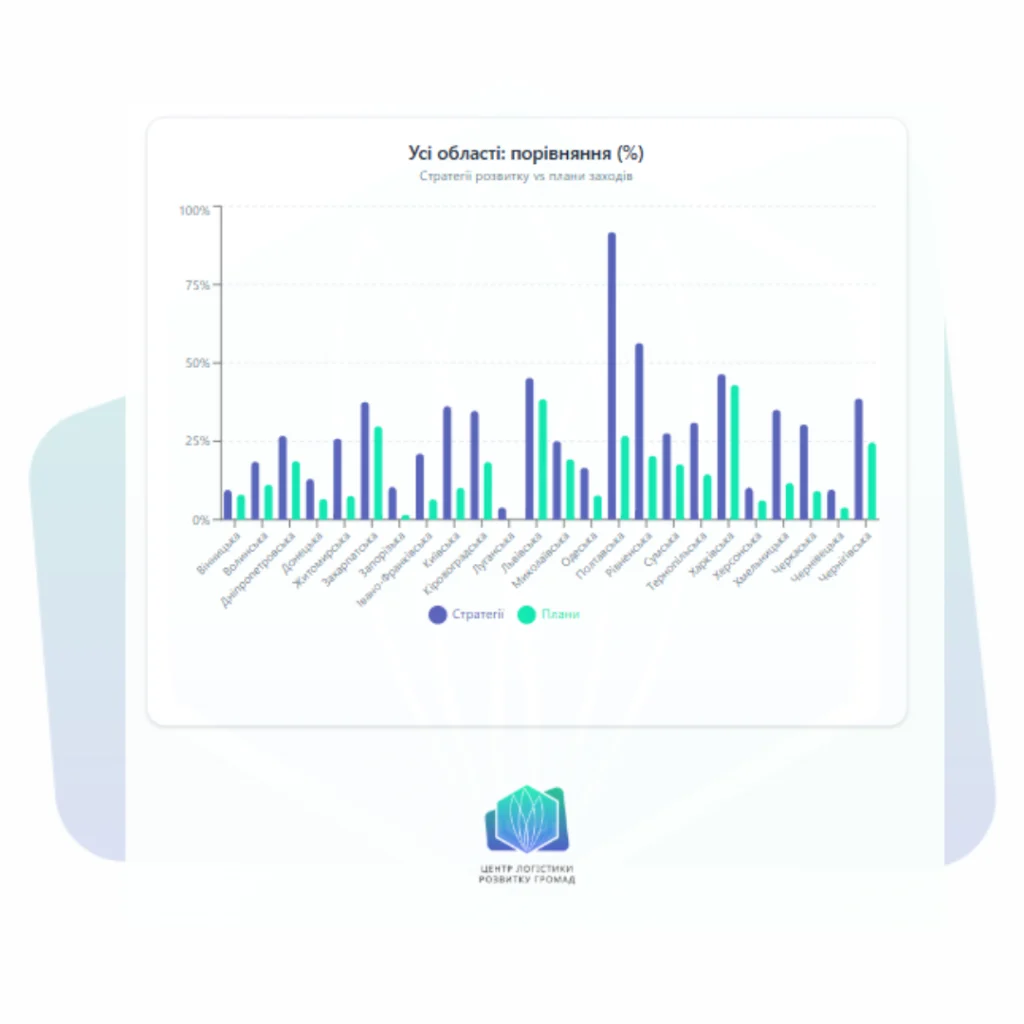
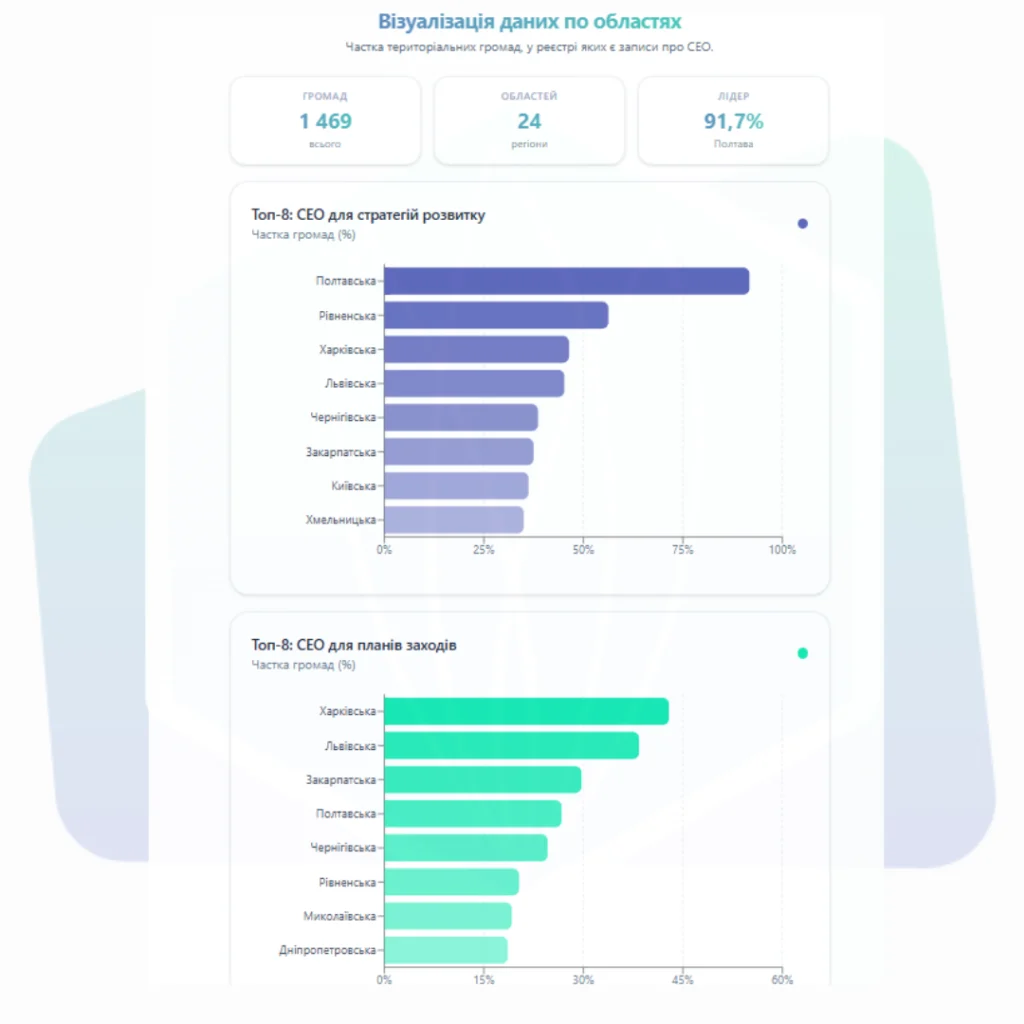
According to the analyzed data, the highest proportion of communities with documents regarding a SEA for development strategies recorded in the registry is observed in Poltava region — 91.7%, Rivne — 56.2%, Kharkiv — 46.4%, Lviv — 45.2%, Chernihiv — 38.6%, Zakarpattia — 37.5% and Kyiv — 36.2%.The highest figures for the action plans are Kharkiv Region — 42.9%, Lviv — 38.4%, Zakarpattia — 29,7%, Poltava — 26.7%, Chernihiv — 24.6% and Rivne — 20.3%.
These data show that the SEA applies not only to community development strategies but also to action plans for their implementation. For local governments, this is an important practical message: the environmental component should be taken into account as early as the stage of defining goals, objectives, and the project portfolio, rather than only at the final stage of document preparation.
Legal Framework for the SEA
The primary legislative act is the Law of Ukraine “On Strategic Environmental Assessment”. It defines the concept of a SEA, state planning documents, the parties involved in the procedure, the scope of the Act, the stages of the assessment, and the requirements for the report, public discussion, consultations, and monitoring.
The regulatory framework consists of:
The Law of Ukraine “On Strategic Environmental Assessment”;
Guidelines for conducting strategic environmental assessments of state planning documents;
Criteria for determining environmental impacts, including impacts on public health;
Procedures for monitoring the environmental impacts of the implementation of a state planning document;
Procedures for Maintaining the Unified Register of Strategic Environmental Assessments.
The law applies to state planning documents relating, in particular, to agriculture, forestry, fisheries, energy, industry, transportation, waste management, water resource use, environmental protection, telecommunications, tourism, urban planning, or land use planning. At the same time, such documents must provide for the implementation of activities or projects for which environmental impact assessment is required by law, or require an assessment due to potential impacts on areas with protected status.
The Purpose of a Strategic Environmental Assessment
The goal of the SEA is to promote sustainable development by ensuring environmental protection, public safety, and public health, and by integrating environmental requirements into the development and approval of state planning documents.
In practice, this means that when developing a strategy or action plan, it is necessary to analyze how the proposed solutions may affect water, air, soil, climate, biodiversity, landscapes, protected areas, public health, cultural heritage sites, and residents’ living conditions.
The law defines environmental impacts broadly: these include any potential impacts on flora, fauna, biodiversity, soil, subsoil, climate, air, water, landscape, natural areas and sites, public safety, public health, material assets, cultural heritage sites, and the interaction of these factors.
Key Stages of a SEA
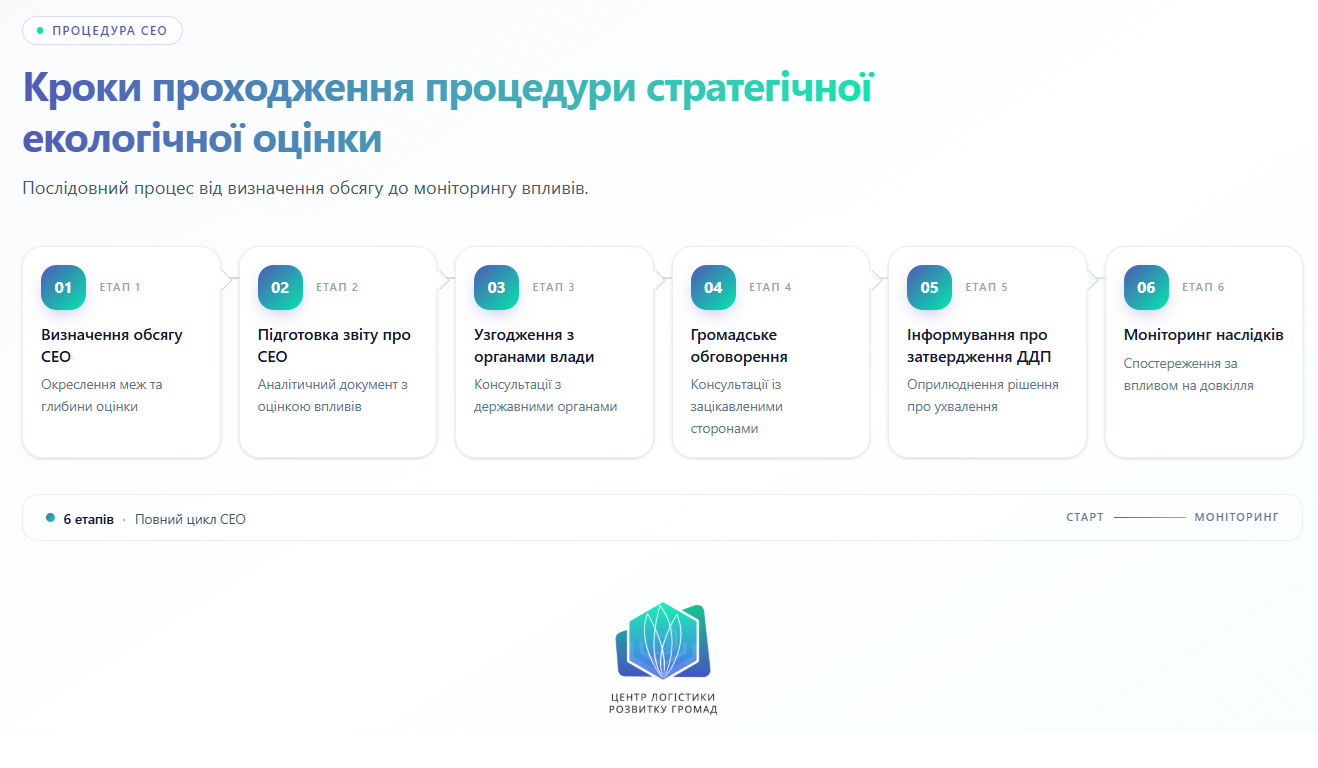
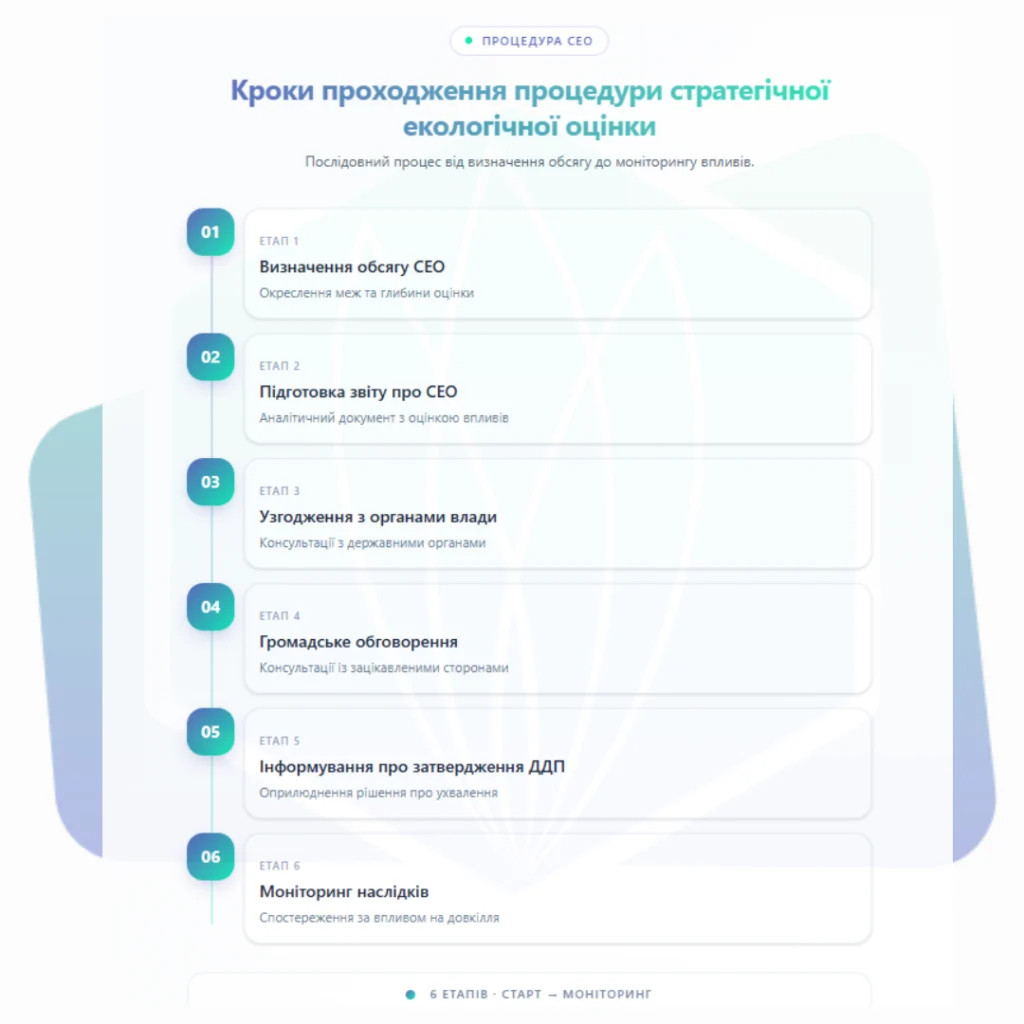
The law defines the following stages of the strategic environmental assessment:
determining the scope of the SEA;
preparing a SEA report;
conducting public discussions and consultations;
taking into account the CEO’s report, the results of public discussions, and consultations;
notification of the approval of a state planning document;
monitoring the environmental impacts of the document’s implementation, including its effects on public health.
During the assessment process, it is important to gather information on community development, determine the current state of the environment and public health, evaluate the impact of planning decisions, analyze alternatives, and ensure communication with the public and government agencies.
How does this relate to the development of community strategies?
The NGO "Logistics Center for Community Development" does not conduct the SEA procedure as a specialized contractor for strategic environmental assessment.
At the same time, when developing development strategies, our team considers the environment as one of the key aspects of community life. This is important because development strategies often include decisions that may relate to land use, water resources, infrastructure development, transportation, waste management, energy, urban planning, tourism, or spatial development.
During the strategic planning phase, we help communities:
describe the current state of the environmental sector;
identify the main issues and needs;
link environmental issues to other areas of community development;
formulate goals and objectives in the field of environmental protection;
include the relevant projects in the community development portfolio.
Such a portfolio may include projects related to waste management, the elimination of illegal landfills, the restoration of water bodies, improvements to drainage systems, the creation of green spaces, the development of environmental education, climate change adaptation, the conservation of natural areas, and the enhancement of energy efficiency in municipal infrastructure.
Such projects do not replace the SEA process. They help the community develop a more robust strategy, better understand the link between environmental issues and management decisions, and create a realistic action plan.
Conclusion
An analysis of data from the Unified Register of Strategic Environmental Assessments shows that a significant number of communities are already undergoing SEA procedures for their development strategies and action plans. The most active implementation has been observed in the Poltava, Rivne, Kharkiv, Lviv, Chernihiv, Zakarpattia, and Kyiv regions.
It is important for communities to understand that the environmental component of the strategy must be substantive, with clearly defined issues, objectives, indicators, and projects. This facilitates further work on the document, makes the strategy more well-founded, and creates a better basis for interaction with experts, the public, and the authorities involved in the SEA process.
The NGO "Logistics Center for Community Development" As part of its work on strategic planning, it helps communities systematically address environmental issues and translate identified problems into concrete project solutions within the community’s development portfolio.
The Resource Center of the NGO "Logistics Center for Community Development" operates with the support of the International Renaissance Foundation as part of the “Impulse” project, which enables us to provide systematic consulting to communities on strategic planning, particularly regarding the integration of environmental considerations and an understanding of the strategic environmental assessment process.
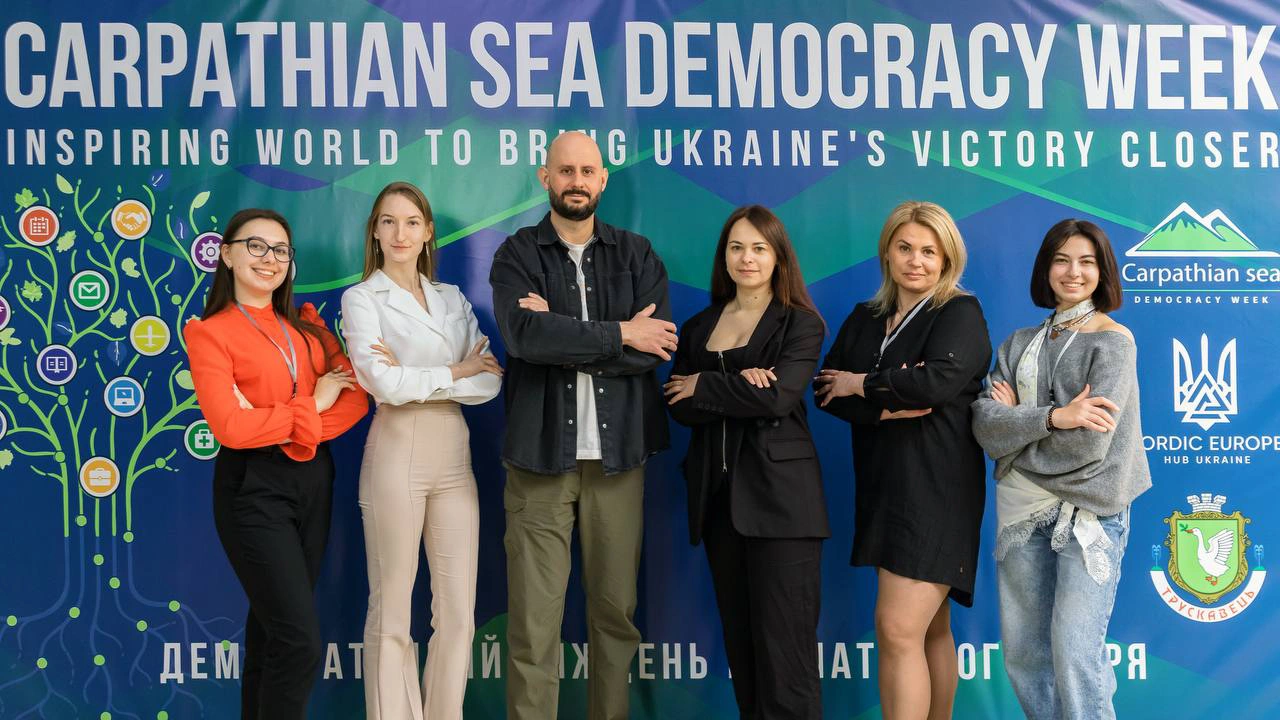
The CLS team took part in the Carpathian Sea Democracy Week in Truskavets
During the event, we had the opportunity to present the CLS project to members of the Ukrainian Parliament, the Estonian Ministry of Justice, and colleagues from the United States, Norway, and Denmark.
It was noted that communities do not need a collection of separate initiatives, but rather a unified project portfolio—a clear system that brings together strategic goals, residents’ needs, local government priorities, civil society organizations’ capabilities, donor support, and specific projects to be implemented.
They specifically highlighted how CLS can simplify the work of local governments: by helping them prepare and compile all community projects in a single digital environment, and by allowing them to view each project’s status, budget, priority, responsible parties, and connection to the development strategy.
They also discussed tools for coordination between local government bodies, civil society organizations, and residents. After all, community development should not be fragmented, but rather holistic, transparent, and understandable to all participants in the process.
We particularly appreciate the fact that, following the presentation, we have scheduled further meetings and are already discussing joint initiatives.
CLS was created to ensure that the community’s strategy does not remain a document “on the shelf,” but rather becomes a dynamic system of decisions, projects, and partnerships for sustainable development.
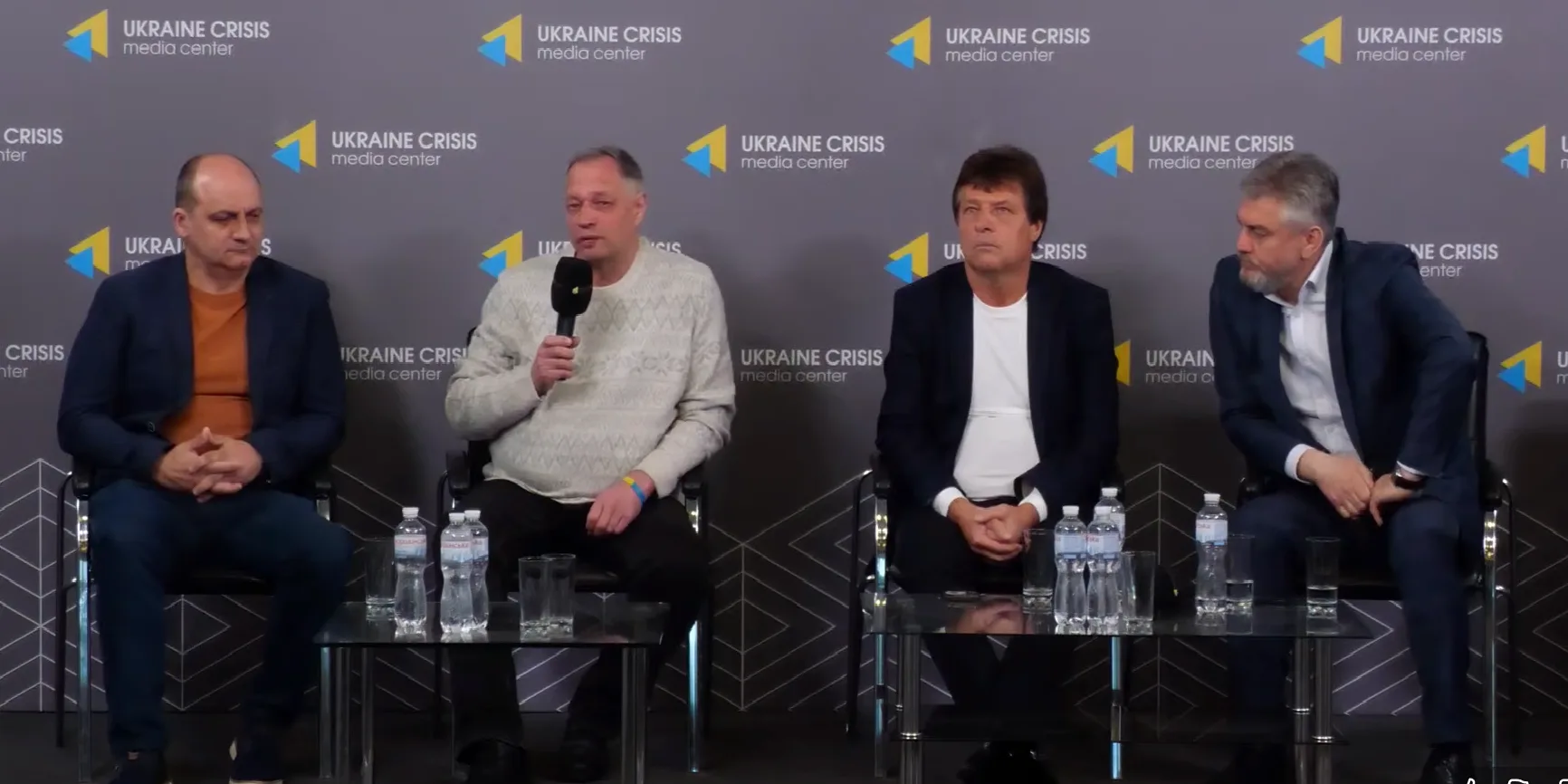
NGO "Logistics Center for Community Development" participated in the press conference for the 2026 Carpathian Sea Democracy Week
NGO "Logistics Center for Community Development"participated in a press conference for the 2026 Carpathian Sea Democracy Week, during which the key highlights of the upcoming event, its international significance, and opportunities for communities, partners, and organizations were presented.
During the press conference, our team presented its vision for participating in Carpathian Sea Democracy Week 2026 and highlighted the practical aspects of our future work. In particular, we announced that during the event we will present digital models for community development, practical solutions for their revitalization and growth, as well as projects from partner communities that can already serve as a basis for substantive dialogue with international partners, donors, and investors.
Particular emphasis was placed on the fact that, for us, participating in the Black Sea Democracy Week is not merely about being part of the public discourse, but also a practical tool for advancing civic strategies toward implementation. That is why, as part of the event, we plan to hold B2B meetings with potential donors, international partners, and stakeholders to present the solutions we have developed, discuss opportunities for cooperation, and secure resources to implement priority community initiatives.
Our main goal is not simply to develop community development strategies, but to bring them to life. We are working to ensure that each strategy serves as the foundation for specific projects, partnerships, investment decisions, and practical changes in communities. That is why we will continue to strengthen communication between communities, the expert community, donors, government institutions, and international partners.
For NGO "Logistics Center for Community Development" participating in such events is an opportunity not only to showcase its own tools and approaches, but also to open up new avenues for communities toward development, recovery, and effective partnerships.
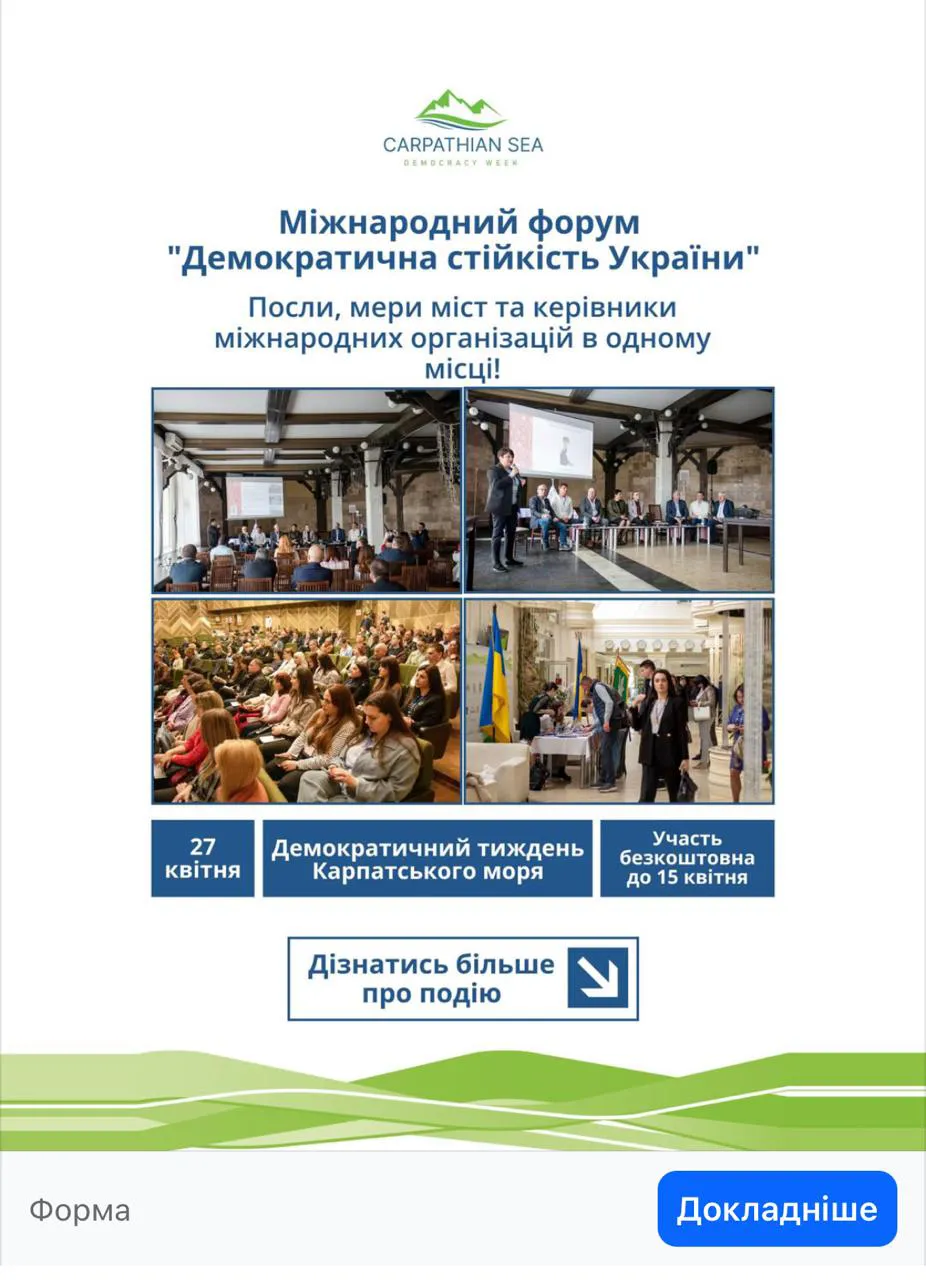
NGO “Community Development Logistics Center” joins Carpathian Sea Democracy Week 2026 and invites you to participate
The NGO "Logistics Center for Community Development" is joining Carpathian Sea Democracy Week 2026, which will take place on April 27–29, 2026, in Truskavets, at Karpaty Sanatorium.The event will bring together representatives of parliaments, ministries, diplomatic institutions, local communities, business, civil society, media, and international partners.
Carpathian Sea Democracy Week is an international platform focused on communities, security, European integration, public diplomacy, rehabilitation, freedom of speech, and Ukraine’s recovery. The programme includes national blitz dialogues between authorities and communities, international panels involving the EU, NATO, and Nordic partners, the signing of memorandums, and discussions on business support and access to European markets.
For our organization, participation in this event is an important opportunity to strengthen international dialogue on community development, strategic planning, territorial recovery, and practical solutions for Ukraine. The programme also includes a series of meetings and interviews dedicated to digital mechanisms for strategic planning and the implementation of recovery and development projects within CLS Ukraine.
The event is further strengthened by the engagement of international partners. Among the announced key speakers is a representative of the Ministry of Foreign Affairs of Estonia, while the platform itself serves as a strategic bridge connecting Nordic-Baltic democratic traditions with Ukraine’s resilience and European future. This makes the event especially relevant for building partnerships, strengthening shared security, supporting Ukraine, and advancing a just peace.
We invite:
local government leaders,
public officials,
civil society organizations,
international partners,
experts,
businesses,
media representatives,
and everyone committed to democracy, recovery, and Ukraine’s European future.
Participants will have the opportunity to join panel discussions and practical sessions, establish new partnerships and initiatives, and contribute to an important dialogue on security, recovery, democracy, municipal partnerships, rehabilitation, media, and European integration.
CLS Reusable Projects Library: How Communities Can Develop Solutions for Recovery and Development More Quickly
One of the practical challenges communities face today is not only securing funding but also the lengthy process of developing project proposals. Even when the need is obvious, it still needs to be translated into a clear format: determining the type of facility, estimating the cost, preparing procurement specifications, and adapting the solution to the specific area. It is at this stage that time is often lost.
To streamline this process, CLS is building a library of reusable projects. This is a collection of ready-made project solutions that can be used as a foundation for further adaptation to the needs of a specific community.
As of today, the library covers the following areas:
hospitals;
shelter;
single-family homes and high-rise buildings;
roof repairs, window replacement, and other repair and restoration work;
veterans’ hub;
library.
In March, projects related to the kindergarten, as well as water supply and sewerage, were also added to the library.
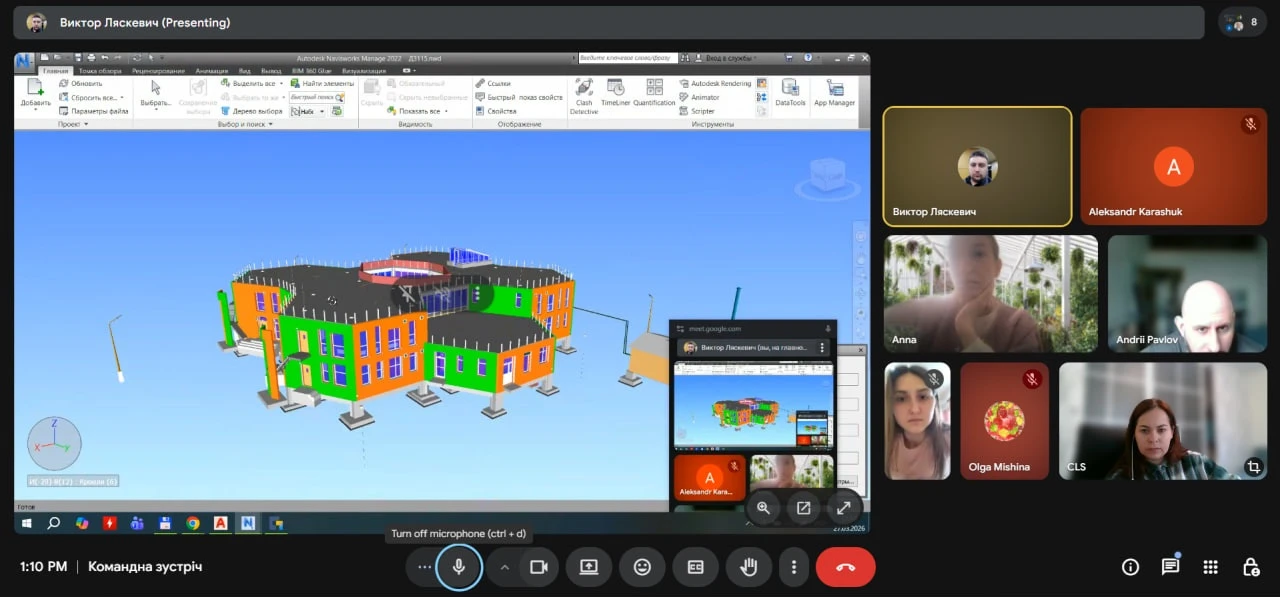
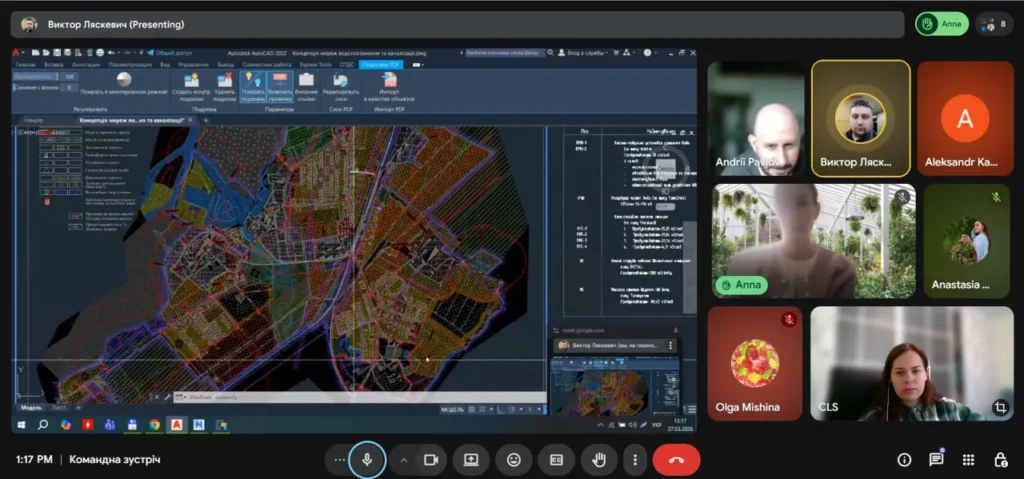
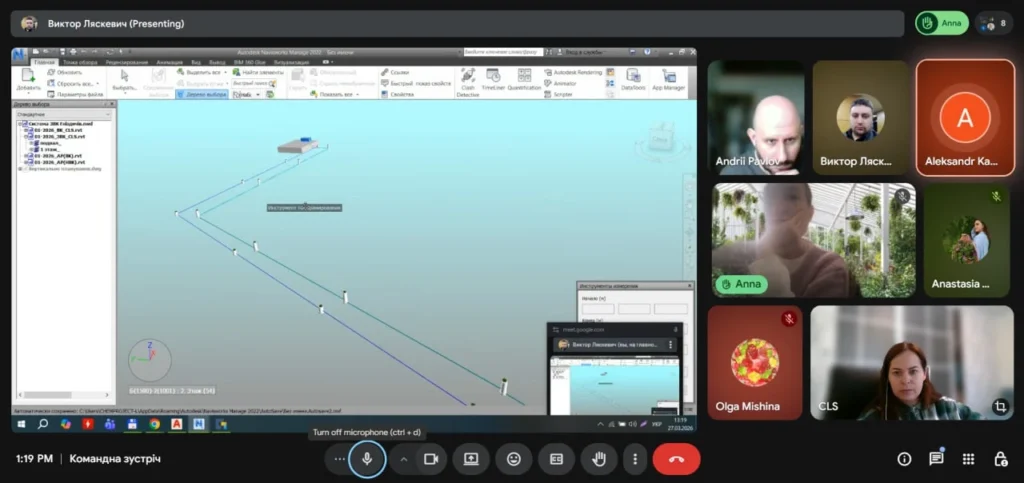
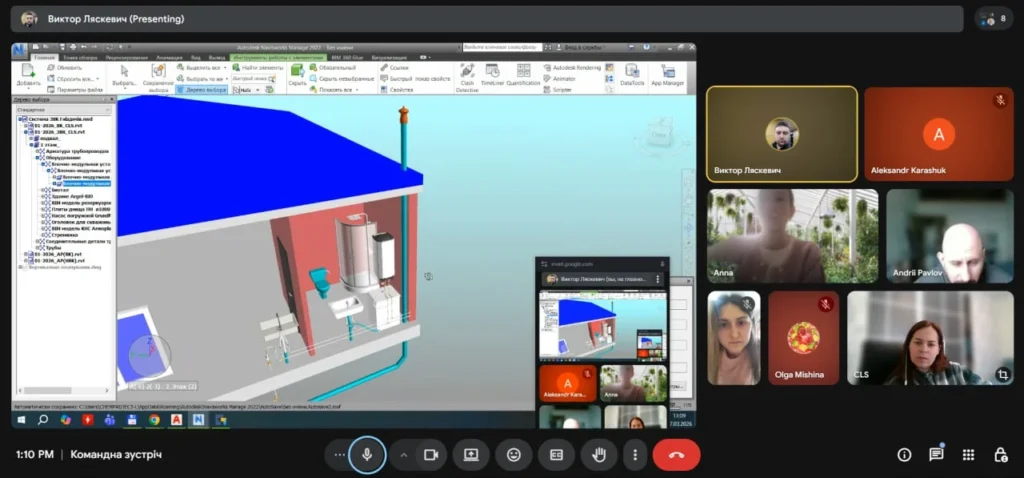
The ability to prepare feasibility studies, engineering calculations, and 3D architectural designs is made possible by the work of engineering and design specialists involved in the resource center’s activities. This aspect of our work has been strengthened thanks to the support of The International Renaissance Foundation as part of the “Impulse” project.
The practical value of this approach lies in the fact that it provides the community with a foundation for quickly developing a project. Based on the existing plan, it is possible to promptly draw up a preliminary budget, prepare procurement specifications, and move on to the next stage of work. All that remains is to tailor the essentially complete project to the location, parameters, and needs of the specific community.
This approach is particularly important for local governments, which must simultaneously manage a wide range of diverse tasks—from public safety and housing to social and public infrastructure. Once standard solutions are in place, the community team can focus not on starting from scratch, but on adapting, setting priorities, and preparing for implementation.
This also offers practical benefits for potential partners and clients. Having a library of reusable projects allows for a quicker transition to substantive discussions about the scope of work, resource requirements, and implementation format. This improves the quality of solution development and simplifies subsequent work related to financing, partnerships, and planning.
For our resource center, the CLS library is part of a systematic approach to supporting communities. We strive to ensure that communities receive not abstract recommendations, but a ready-made framework for action: solutions that can be quickly adapted, costed, and integrated into the logic of recovery and development.
This is precisely the practical benefit of working with our resource center: we help shorten the path from identifying a need to developing a ready-to-implement project, reduce the workload on the community team, and increase its readiness to implement specific solutions.
Why great projects don't always deliver results—and what to do about it
Today, the civil society sector in Ukraine plays an extremely important role in supporting communities. Civil society organizations and charitable foundations implement projects, work with vulnerable groups, ensure access to services, and often become key players in areas where other institutions have limited capacity.
Many of these projects are high-quality, necessary, and deliver tangible results right here and now.
At the same time, a question is increasingly being raised: why, even with a significant number of initiatives implemented, does the long-term effect not always turn out as expected?
The number of projects is growing, but these changes do not always contribute to the community's systematic development.
It's not a matter of the quality of the work. It's a matter of approach.
Most projects are implemented according to the following logic: there is a need—there is a resource—there is a project—there is a result. And this logic works. But often, projects remain isolated initiatives. They are not interconnected, are not integrated into the overall logic of community development, and do not reinforce one another. As a result, a significant portion of the efforts does not translate into long-term impact.
Here’s a simple example. A community is implementing a project to renovate its library. This is important and necessary. But once the project is completed, questions arise: Are there funds to maintain it? Is this provided for in the community budget? Is there sufficient demand for the services? If the economic situation in the community does not change, jobs are not created, and budget revenues do not grow, maintaining even the renovated infrastructure becomes difficult. In such a case, a good project does not become a long-term solution.
This highlights one important point: community development is not a collection of individual projects, but a system of interconnected areas. Social initiatives, the economy, infrastructure, and education—all of these influence one another. And the effectiveness of each individual project depends on what is happening in the other areas.
That is precisely why it is important to change our approach. It is not enough to simply implement projects; we must integrate them into the broader framework of community development. We must ask not only “what will be accomplished within the scope of the project,” but also “what will happen after its completion,” “how does this relate to other processes,” and “does this support the community’s strategic priorities.”
In practice, this means several things. It is important to look beyond the boundaries of a single project and understand which area of development it falls under and what factors influence its outcome. It is advisable to verify whether the project aligns with the community’s strategic documents and, if necessary, initiate a dialogue. Partnerships with local government bodies are also key, as they are the ones that provide the budgetary framework, planning, and sustainability of decisions. Finally, it is necessary to think in advance about what will happen after funding ends: who will be responsible for the outcome, what resources will be used, and how this solution can be scaled up.
Digital tools play a key role in this process. They allow us to view all projects within a single system, understand the relationships between them, avoid duplication, and plan for development in a more comprehensive manner. This is particularly important when there are a large number of initiatives and limited resources.
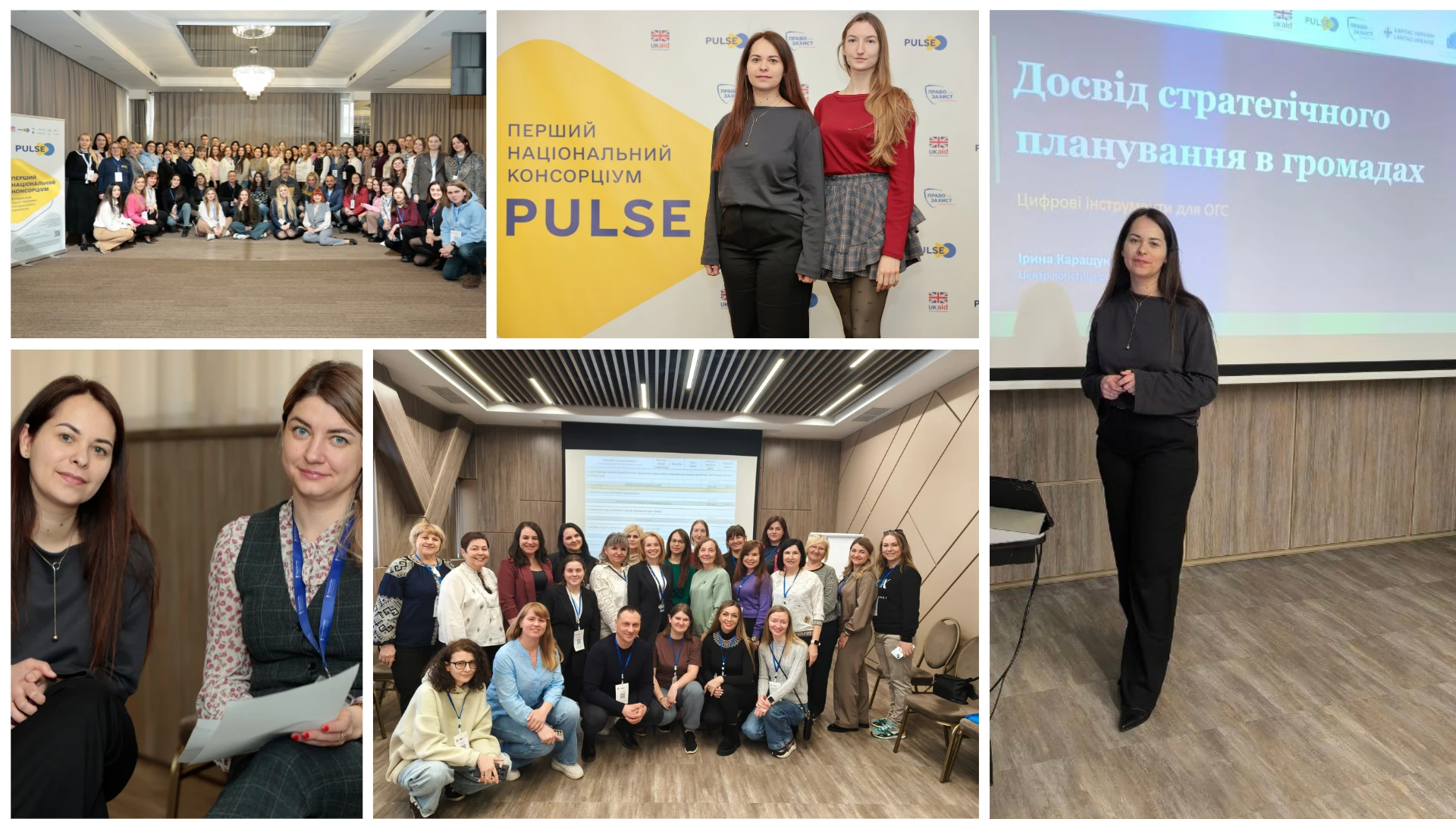
These issues are currently the subject of active discussion within the sector. In particular, they were raised during the “Pulse of Protection” grantee forum organized by the “Right to Protection” Charitable Foundation, which served as a platform for professional dialogue among organizations from various regions of Ukraine. Such an exchange of experiences shows that the demand for a systematic approach and long-term impact is shared by many.
Today, the civil society sector is already making a significant impact. The next step is not to do more, but to work in a more systematic way: linking projects together, building partnerships with communities, taking into account the interconnections between different sectors, and focusing on long-term results. This is precisely what enables us to turn individual initiatives into lasting change.
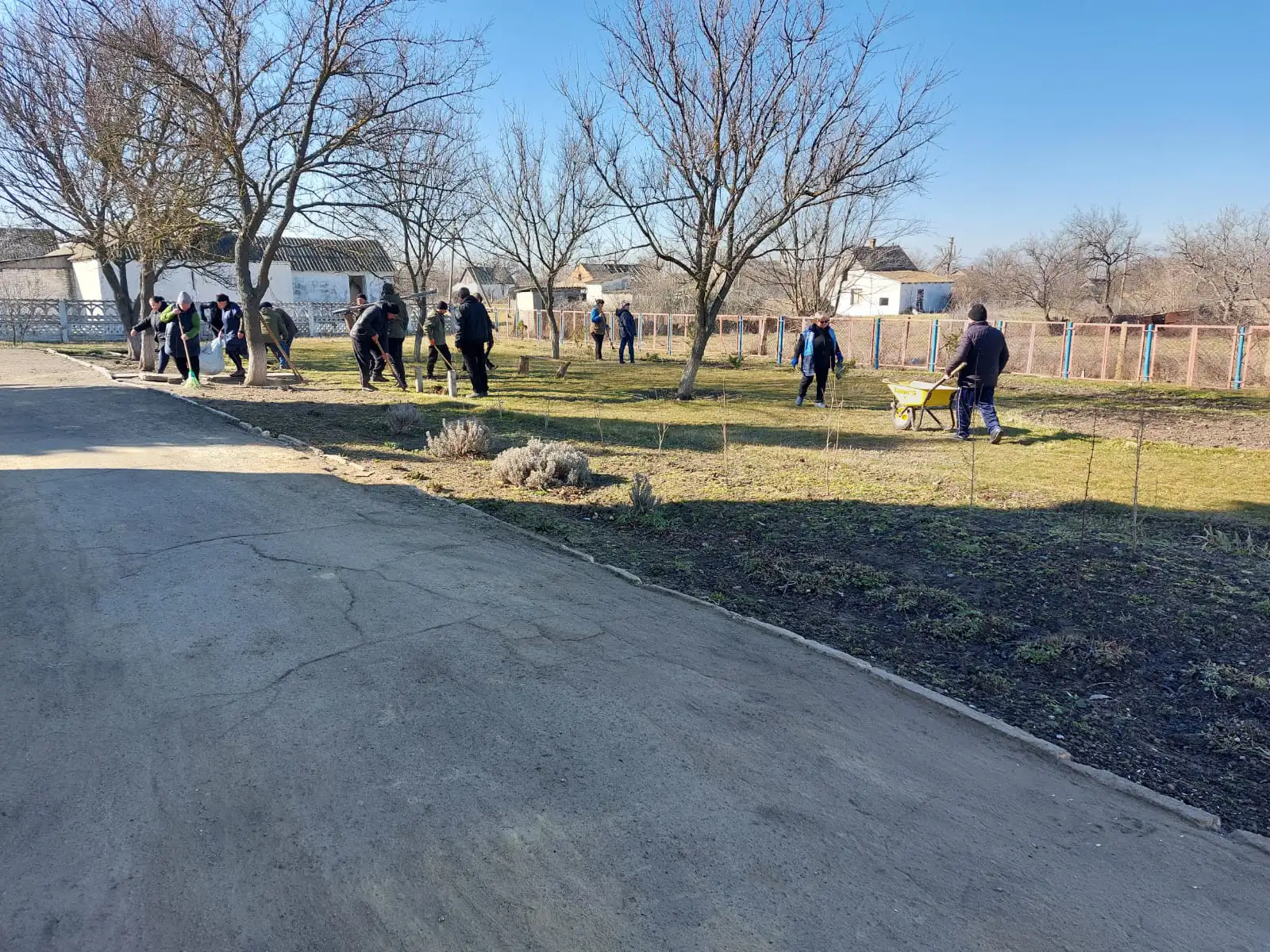
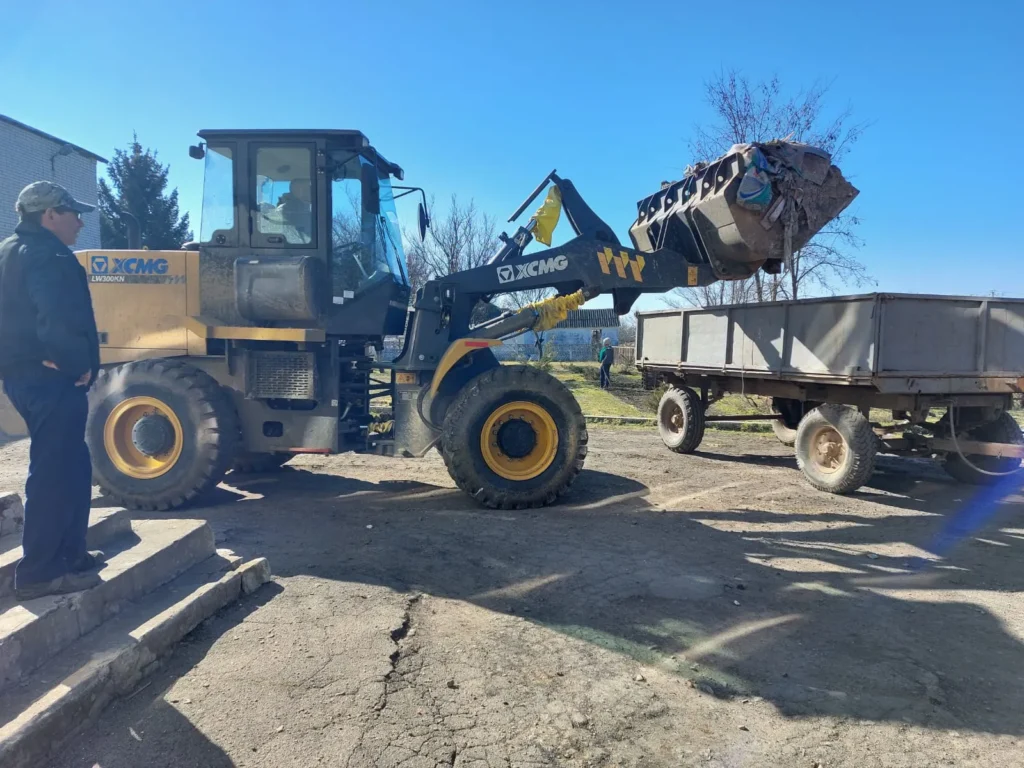
The team at Logistics Center for Community Development continues to work with communities to create safe and accessible spaces for residents. Recently, a large-scale community cleanup took place in one of the villages in the Darivska community as part of the Inclusive Space for Everyone project.
Twenty-two active community members joined the joint effort, helping to prepare the area for the future public space. During the cleanup, the site was cleared, trash was removed using equipment, and the foundation was laid for further development of the space.
In the near future, equipment manufactured as part of the project will be installed on the prepared site:
9 outdoor exercise machines to maintain physical health;
swings and a playground for children.
The new space will become a place for active recreation, communication, and interaction for all community members — both local residents and people who have found a new home here after being forced to relocate.
The project “Inclusive Space for Everyone” is being implemented by “Logistics Center for Community Development” in partnership with the Darivska Village Council.
The project is funded with support from UK aid from the British Government (British Embassy Kyiv). It is implemented by Logistics Center for Community Development with the assistance of Caritas Ukraine within the framework of the National PULSE Consortium and coordinated by Right to Protection. Support for this project in Ukraine is provided through the SHARP component of the Humanitarian Assistance, Recovery and Protection Program.
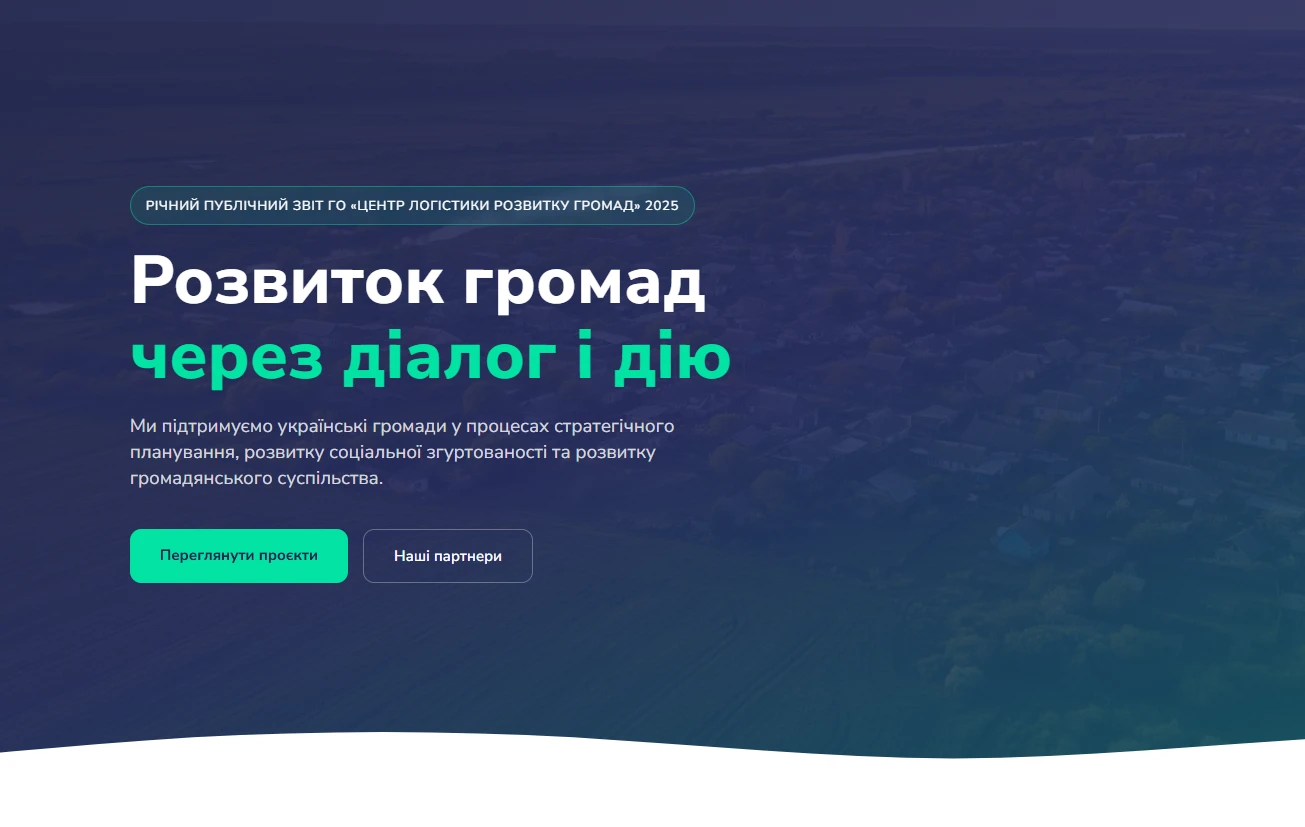
“Logistics Center for Community Development” presents its annual public report for 2025
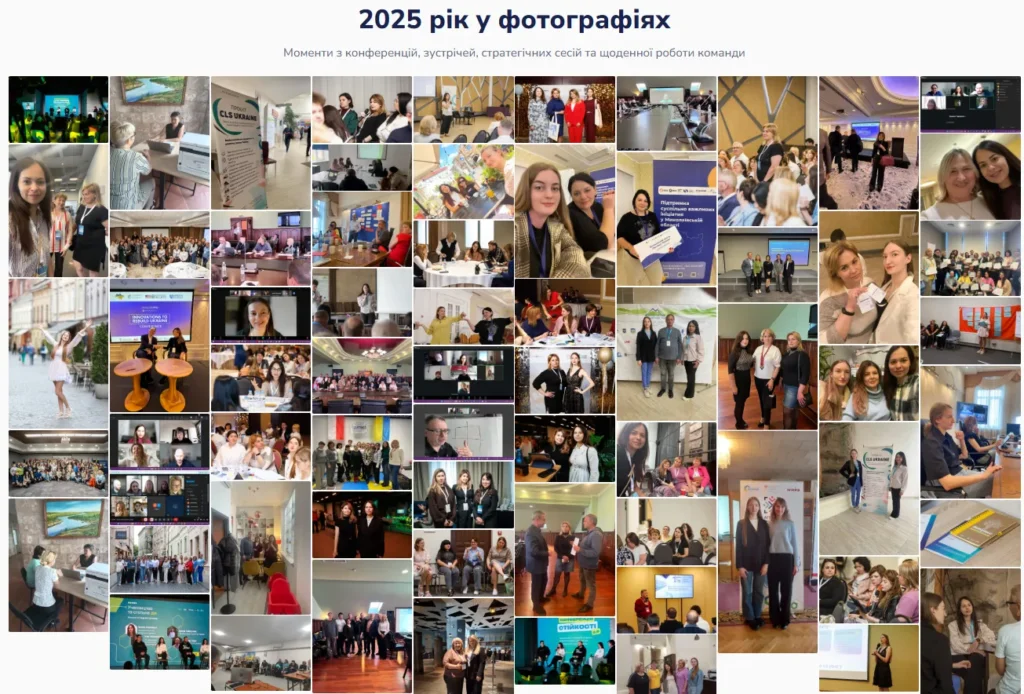
Logistics Center for Community Development has prepared its annual public report for 2025, covering its results, partnerships, initiatives, and organizational development. The report summarizes the key achievements of the year, which was a year of development, new partnerships, and practical work with Ukrainian communities for the team.
Throughout 2025, the organization worked to strengthen communities' capacity for strategic planning, support infrastructure solutions, develop civic participation, and implement digital tools for reconstruction and development. The organization's mission is to strengthen communities' capacity for strategic planning and implementation of large-scale projects through digital solutions and cooperation between government, the public, and business.
At the end of the year, Logistics Center for Community Development had implemented five projects, reached over 1,405 beneficiaries, and collaborated with more than 25 partner communities and six international partners. Its main areas of work include strengthening the capacity of local governments, civil society organizations, and experts in strategic planning and infrastructure solutions, economic development of communities and attracting investment, as well as supporting vulnerable groups.
An important part of the activities in 2025 was the development of the CLS Ukraine digital ecosystem. Within this area, the team worked on creating community development strategies and digital models, supporting infrastructure projects, conducting resident surveys and community analytics, and forming a database of reusable projects for communities and public organizations. In particular, in 2025, the strategies for the Darivska and Starovyzhivska communities were approved, and seven more strategies were at various stages of development.
The organization paid particular attention to projects aimed at social cohesion and support for people. These included the Public Dialogue Club in the Darivska community, the Veterans' Space “Hearth of Unity” in the Doroshivska community, and a project to create an inclusive space for everyone in the Lymantskyi starosta. These initiatives are aimed at developing dialogue, supporting veterans, military personnel, and their families, as well as creating a safe and accessible environment for children, IDPs, and people with disabilities.
2025 was also an important milestone in the organization's institutional development. The team developed its analytical capabilities, management approaches, and personnel reserve, and also strengthened infrastructure and investment support for communities. We are sincerely grateful to the Renaissance International Foundation and the Impulse project for their institutional support and development.
The report separately presents the organization's financial indicators: income in 2025 amounted to UAH 2,960,600, with grants accounting for 77% of the income structure and charitable contributions accounting for 23%.
All of this year's achievements were made possible thanks to the trust of communities, the support of partners and donors, and the daily work of a team that now consists of more than 30 specialists from various fields.
We sincerely thank all communities, partners, and friends who are walking this path with us.
The full version of the annual public report is available at:
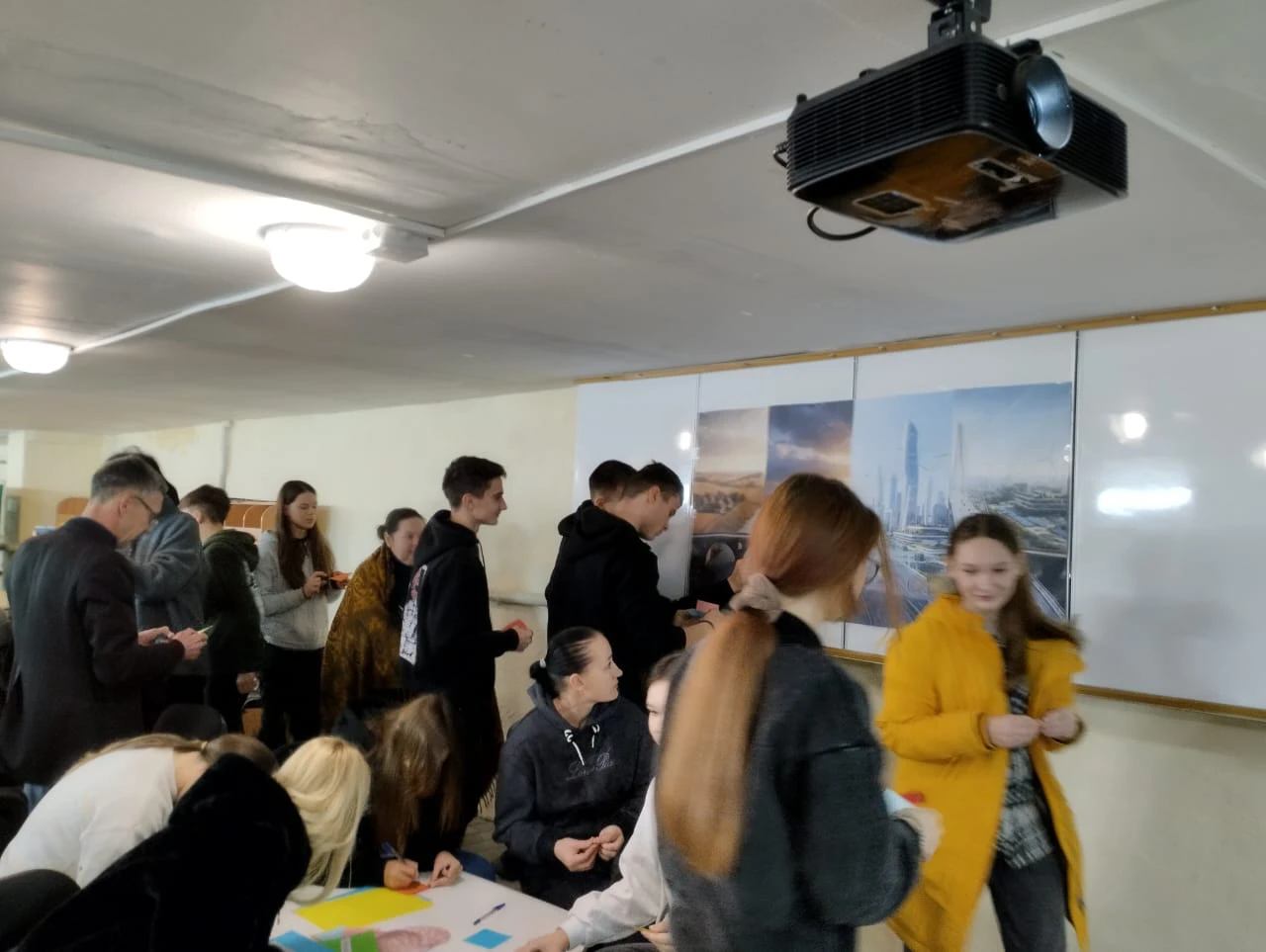
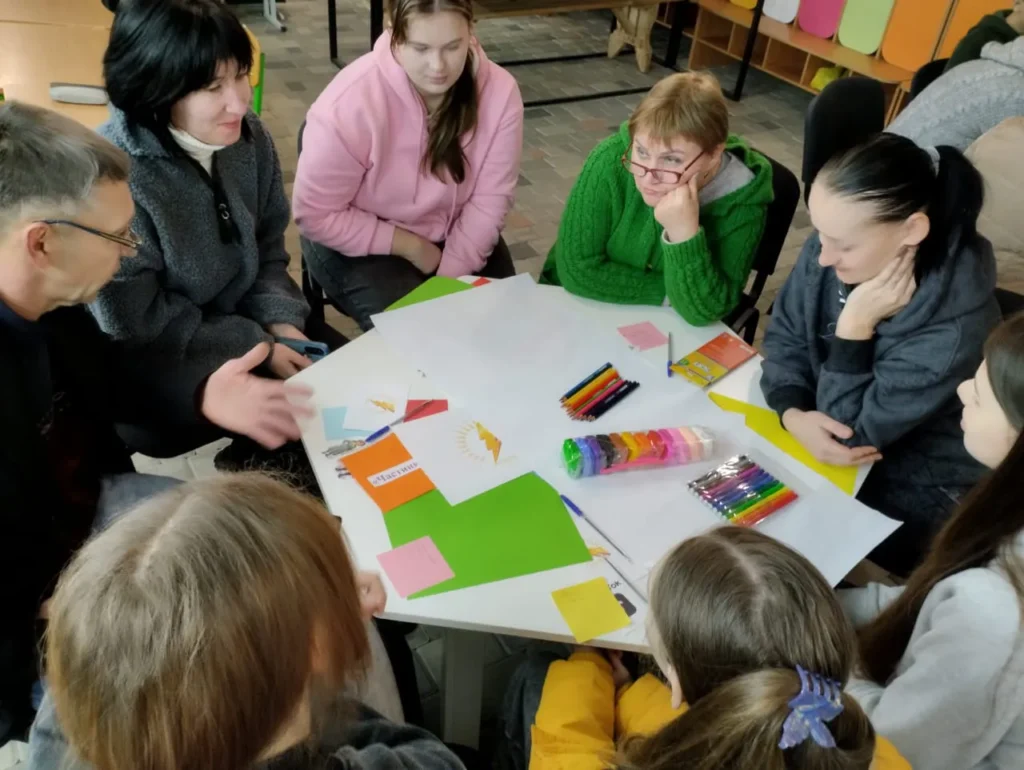
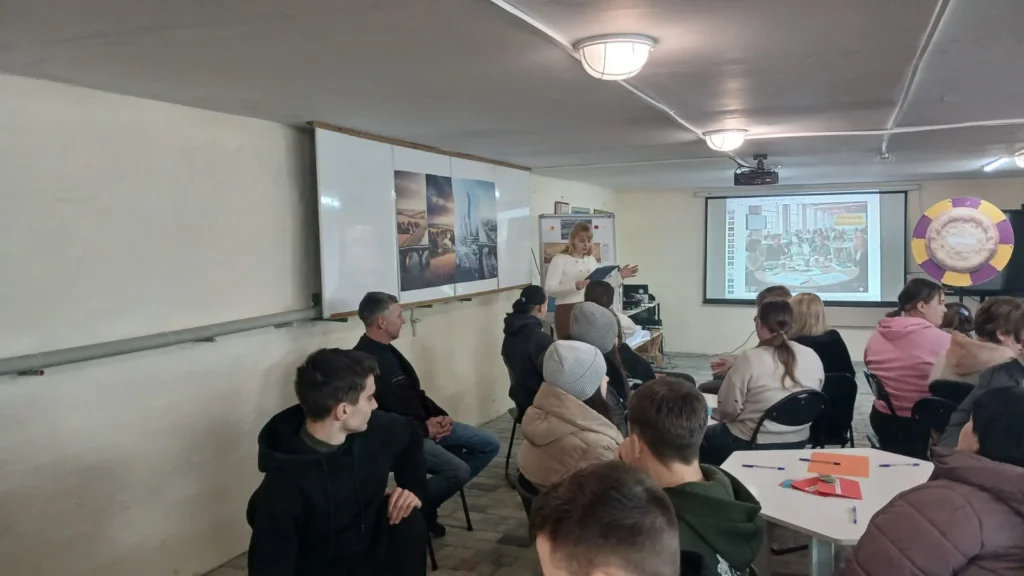
A workshop entitled “World Café: Dialogue Between Generations” was held in the Darivska community
How can we hear each other when there are so many challenges around us? How can we find common ground between teenagers, parents, and people who have found refuge in the community because of the war?
Recently, we held a workshop in the Darivska community in the format of a “World Café: Dialogue Between Generations” — an effective method of informal communication that helps create a safe space for dialogue where every voice is important and heard.
Why this event is important
Connecting generations. Teens shared their vision for the future of the community, while adults shared their experiences of resilience and support during tough times.
Integration of internally displaced persons. During conversations, participants broke down barriers and built new social ties, transforming “guests” into “neighbors.”
Resource environment. Participants sought common answers to the question: how to support each other and develop the community during times of change.
More than 30 people took part in the event. Thank you all for your sincerity, active discussions, and willingness to engage in dialogue. Together we are stronger!
Partnership and support
The project is being implemented in partnership with the Darivska Village Council
The project is funded with support from UK aid from the British Government (British Embassy Kyiv). It is implemented by Logistics Center for Community Development with the assistance of Caritas Ukraine within the framework of the National PULSE Consortium and coordinated by Right to Protection. Support for this project in Ukraine is provided through the SHARP component of the Humanitarian Assistance, Recovery and Protection Program.
Contains information related to marketing campaigns of the user. These are shared with Google AdWords / Google Ads when the Google Ads and Google Analytics accounts are linked together.
90 days
__utma
ID used to identify users and sessions
2 years after last activity
__utmt
Used to monitor number of Google Analytics server requests
10 minutes
__utmb
Used to distinguish new sessions and visits. This cookie is set when the GA.js javascript library is loaded and there is no existing __utmb cookie. The cookie is updated every time data is sent to the Google Analytics server.
30 minutes after last activity
__utmc
Used only with old Urchin versions of Google Analytics and not with GA.js. Was used to distinguish between new sessions and visits at the end of a session.
End of session (browser)
__utmz
Contains information about the traffic source or campaign that directed user to the website. The cookie is set when the GA.js javascript is loaded and updated when data is sent to the Google Anaytics server
6 months after last activity
__utmv
Contains custom information set by the web developer via the _setCustomVar method in Google Analytics. This cookie is updated every time new data is sent to the Google Analytics server.
2 years after last activity
__utmx
Used to determine whether a user is included in an A / B or Multivariate test.
18 months
_ga
ID used to identify users
2 years
_gali
Used by Google Analytics to determine which links on a page are being clicked
30 seconds
_ga_
ID used to identify users
2 years
_gid
ID used to identify users for 24 hours after last activity
24 hours
_gat
Used to monitor number of Google Analytics server requests when using Google Tag Manager