Lessons Learned: How Blackouts Tested the Resilience of the Resource Center for Communities Team
The Community Development Logistics Center NGO was born in the midst of full-scale war. We became a team at a time when the country was changing every day. We are all internally displaced persons. The war scattered us across different cities, but at the same time united us around a common goal: to work with communities, help them think strategically, and build a future even in the most difficult times.
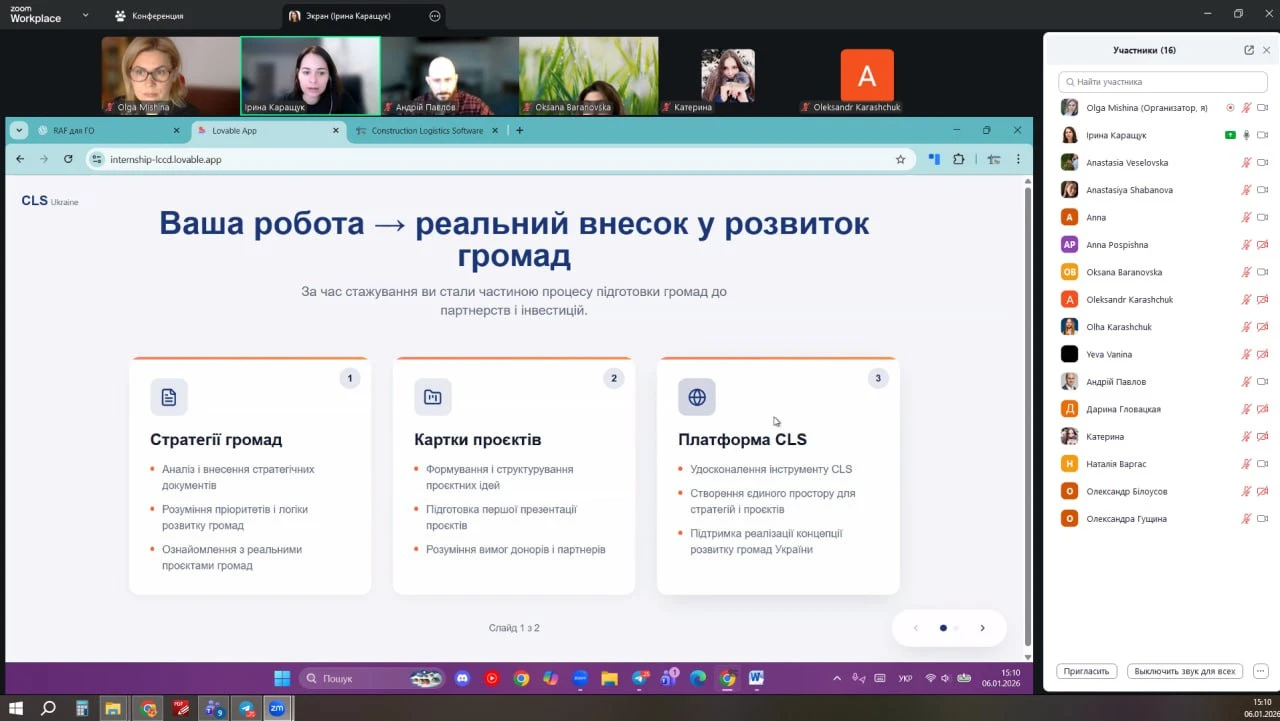
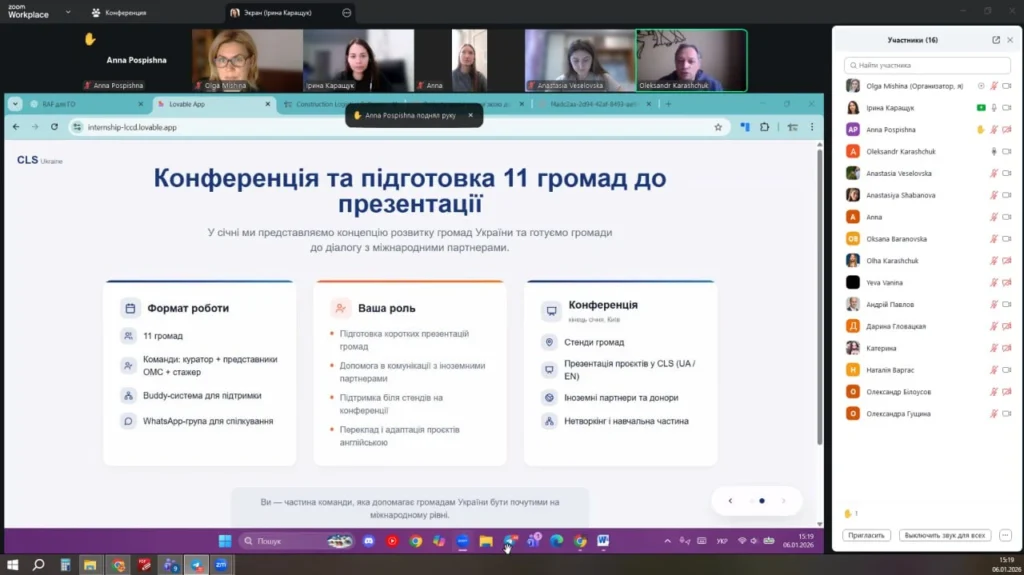
Our office in Bucha is a meeting place. But our daily work has long gone beyond the confines of a single room. We work as a distributed team—from different regions, in a digital environment, with a high level of personal responsibility. This has its strengths: flexibility, speed of decision-making, independence from physical circumstances.
But widespread blackouts revealed another side to this model.
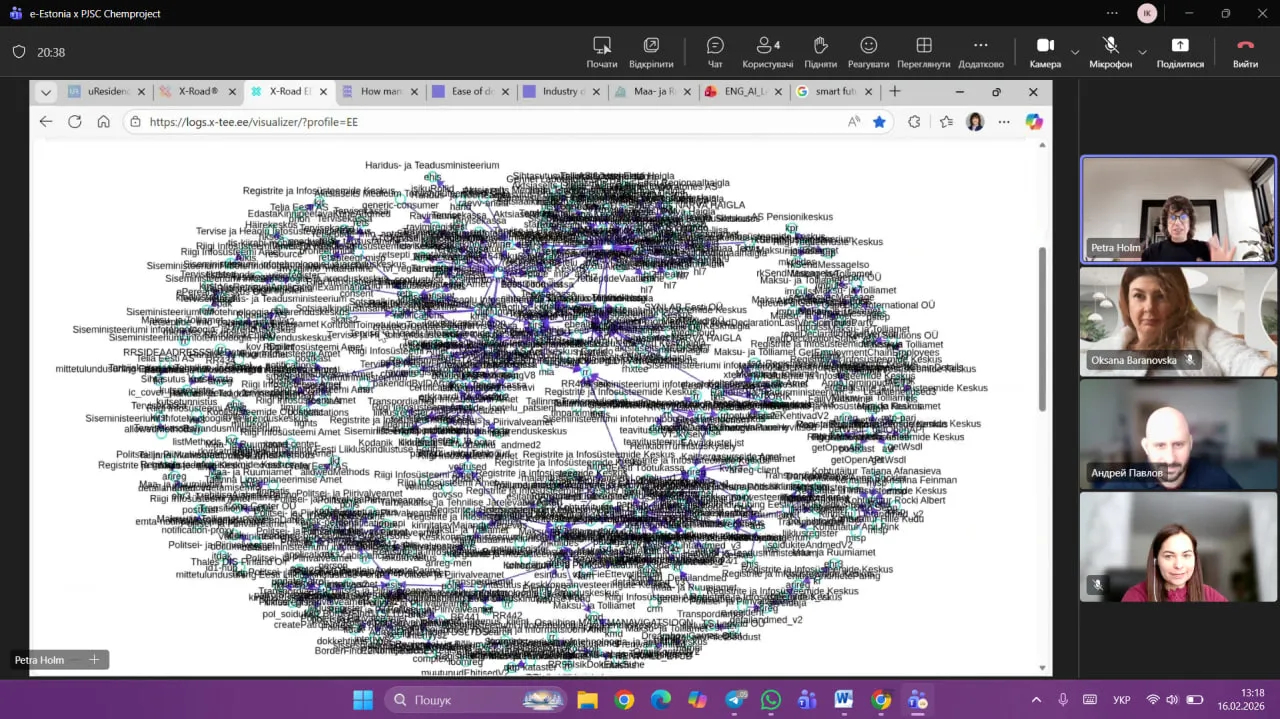
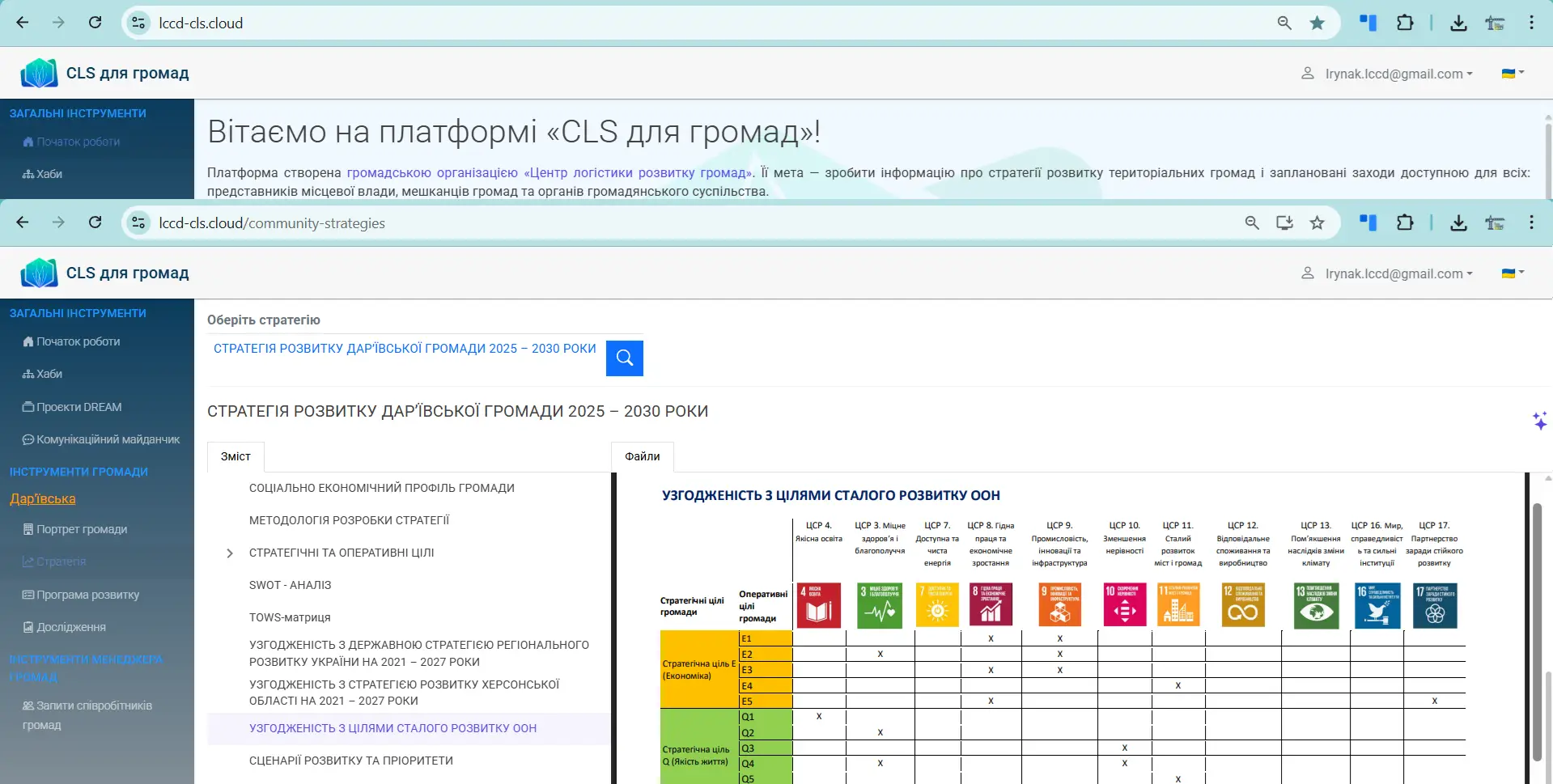
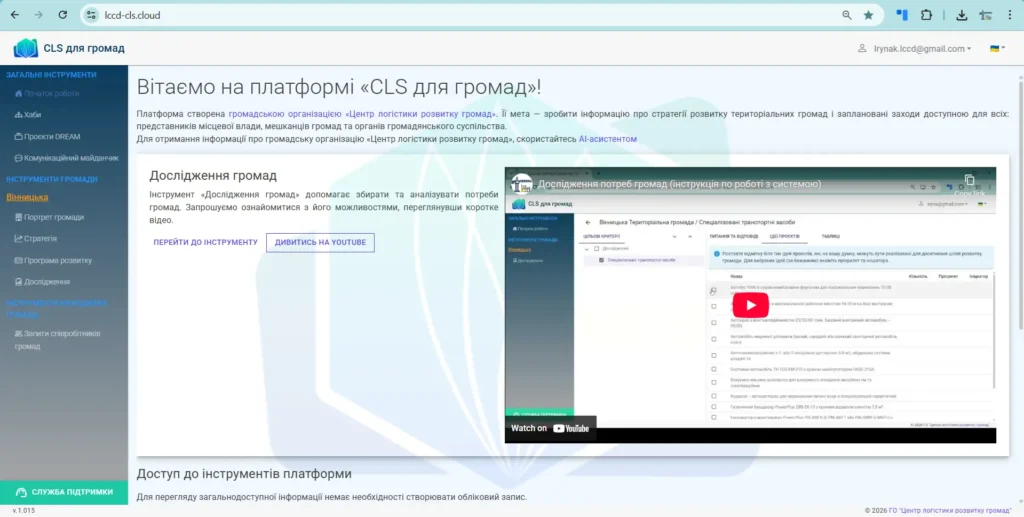
When the lights went out in different cities at the same time, communication and the internet also disappeared. Some people were temporarily cut off from the process. Sometimes servers became inaccessible, along with the CLS platform, strategic community documents, and current projects.
For the Resource Center, which supports communities in strategic planning and investment preparation, this meant more than just a technical inconvenience. It meant a risk to the continuity of processes that are important not only to us, but also to dozens of partner communities.
At times like these, it becomes clear that flexibility is good. But true resilience is a system that works even when the lights go out.
Blackouts became not only a crisis for us, but also a lesson. They forced us to review the internal architecture of the team: the distribution of responsibilities, digital infrastructure, access system, and attention to people's mental state.
Our organization matured not through theory, but through experience. And it is from this experience that five lessons emerged, which today define our new standard of work.
5 lessons from blackouts
1. Stability is the autonomy of each individual.
The first lesson was simple and harsh: there is no centralized “safe haven” for us. We couldn't buy a single generator and gather everyone in the office. There are about 30 of us, and we live in different cities.
The solution was personal autonomy. With the support of the Renaissance International Foundation as part of the Impulse project, we purchased portable charging stations for team members.
This allowed us to stay on track and not lose momentum.
The resilience of an organization lies in the ability of each person to work even in a crisis.
2. Delegation is not a management style, it is a system safeguard.
Blackouts exposed the weak spot of any team: dependence on “key people.” If one person is temporarily out of contact, the process can come to a halt.
We reviewed the distribution of roles. We introduced redundancy for critical functions. We strengthened the culture of task delegation and interchangeability.
This required trust and a willingness to relinquish control in favor of consistency.
True sustainability is when the process continues regardless of a specific person.
3. Digitalization is infrastructure, not convenience
When servers are down, you realize that a digital system is the nervous system of an organization.
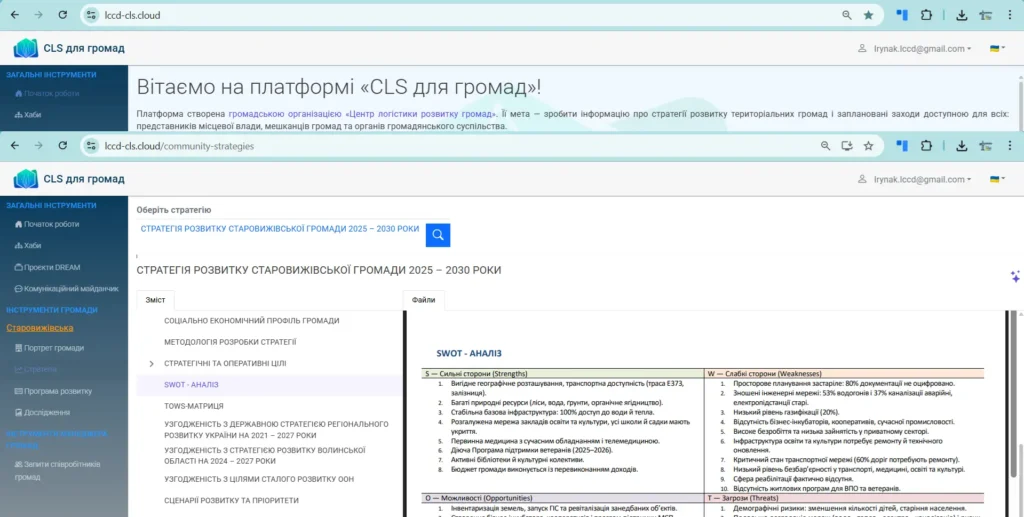
The CLS platform, strategic community documents, current projects—all of these should have backup access scenarios.
We have strengthened our data retention, access structuring, and backup storage policies.
Because anything that is not recorded in the system is at risk.
4. CRM is about peace of mind and transparency
In a crisis, uncertainty is the most exhausting factor.
CRM has become more than just an accounting tool for us; it is a guarantee that:
- every project has a status
- every community has a history of interaction
- every contact is saved
- every task is assigned
If someone is temporarily unavailable, the process does not disappear with them.
This reduces anxiety and restores a sense of control.
5. People are the main resource for recovery
The greatest burden during blackouts is not technical, but emotional.
Constant uncertainty. Disrupted work rhythm. Fatigue.
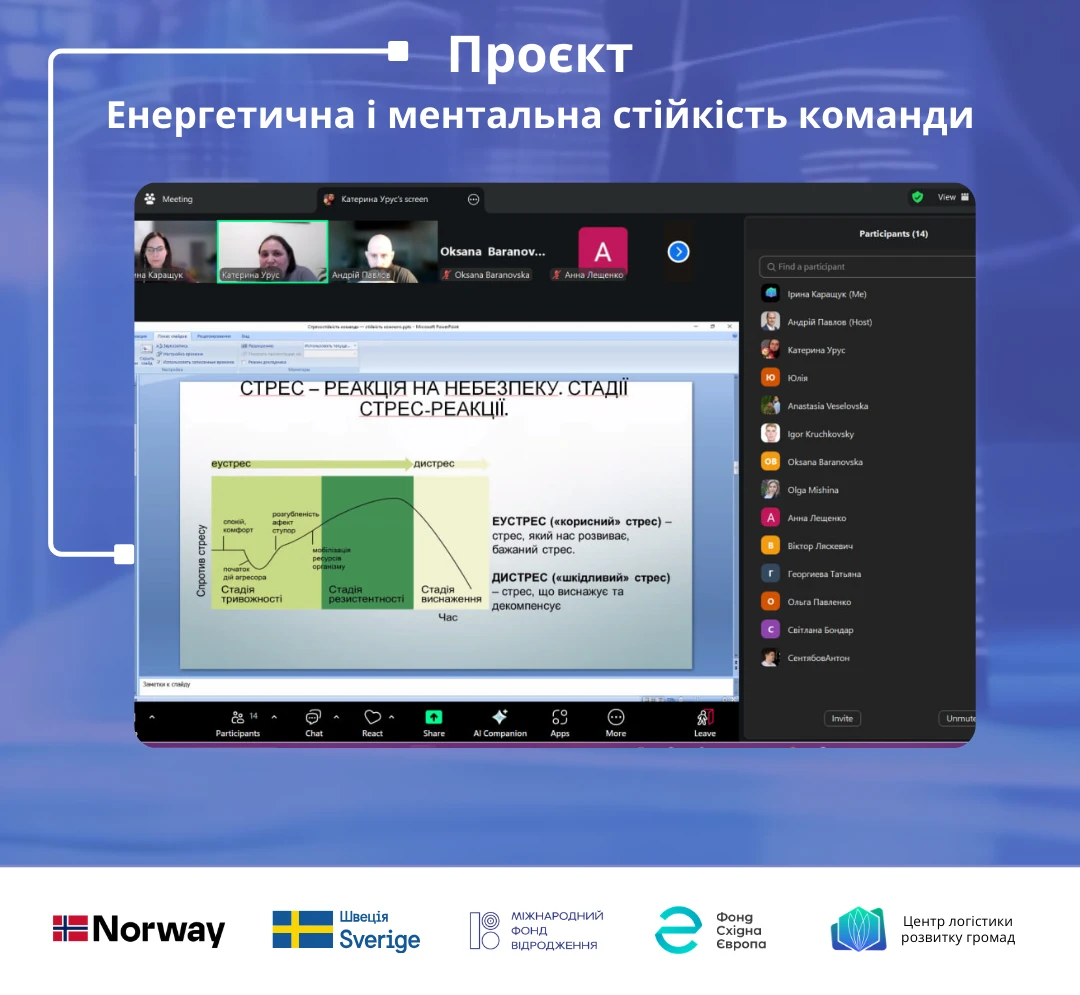
We invited psychologist Kateryna Urus to work with the team. We conducted a separate training session on how to behave in stressful situations. And later, we started regular weekly meetings focused on the mental state of team members.
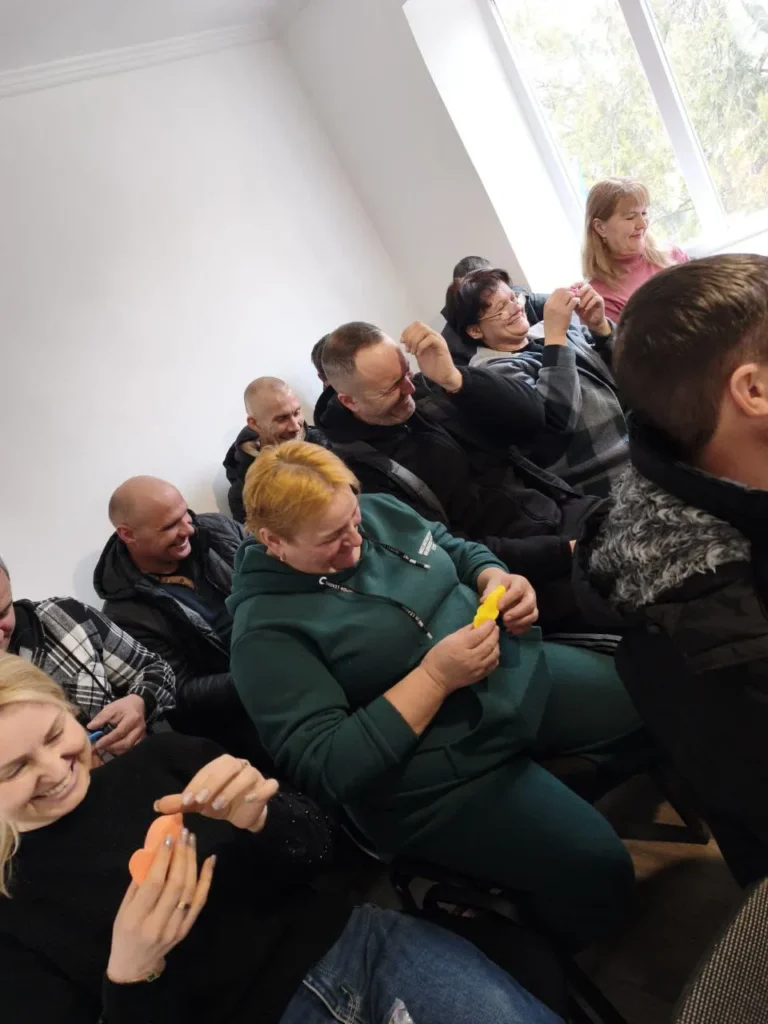
These meetings became a space for support.
A place where you can say, “I'm struggling, I need support.”
Feel and understand your condition, delegate some of your tasks to colleagues.
Or simply be part of a team where you can be understood and heard.
Taking care of one's physical health has long been the norm for everyone. New challenges have forced us to rethink our attitude toward the mental health of the entire team, as physical and mental health are interrelated.
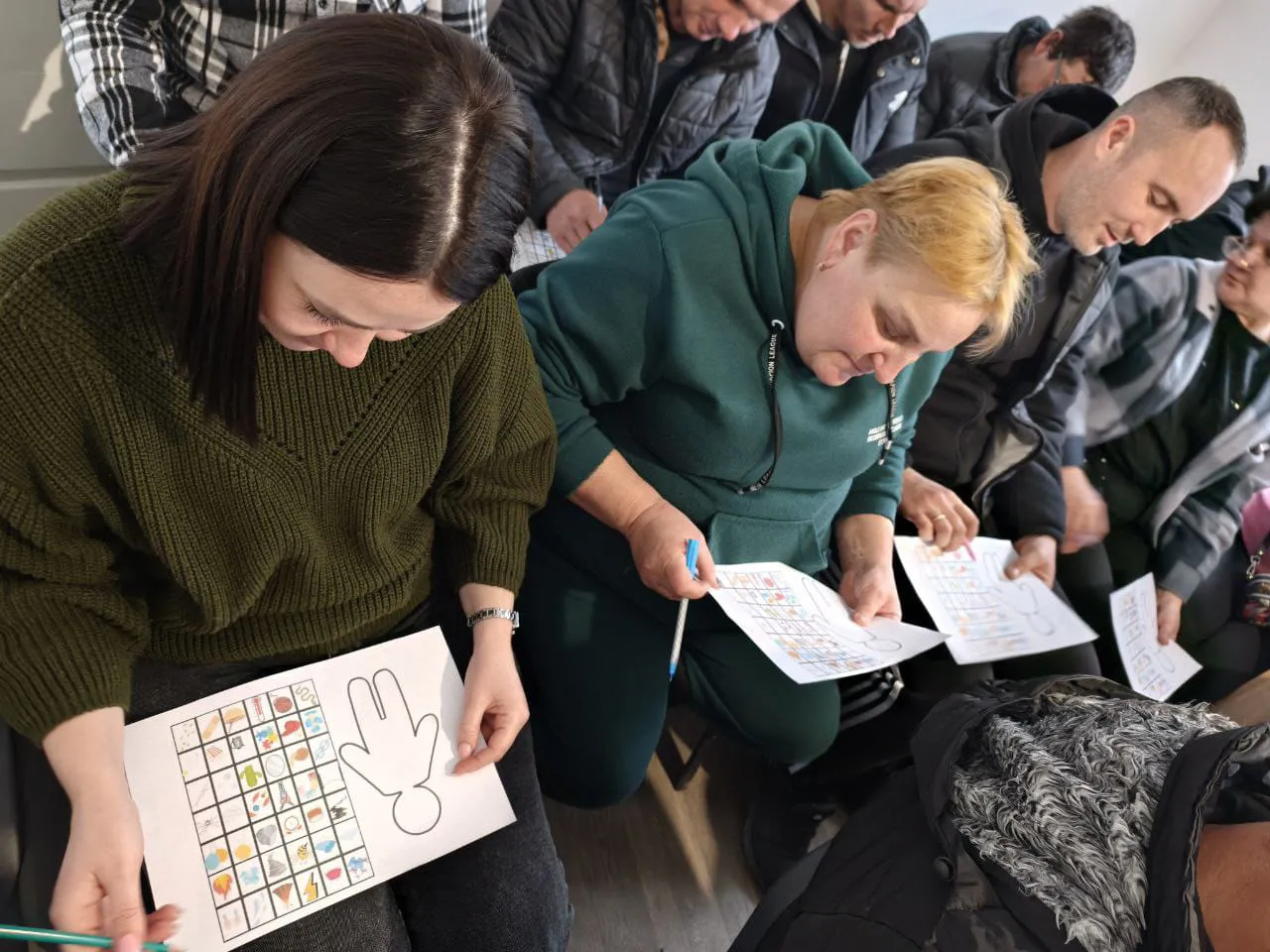
The training session “Team resilience – stress resistance for everyone” was held in January. Team members had the opportunity to learn about the concepts of “stress,” “stress resistance,” and “resilience,” as well as the causes of stress in stressful situations. It is important to understand the body's natural reactions in stressful situations.
During the training and support groups, participants had the opportunity to practice stabilization, grounding, self-regulation, and anxiety reduction techniques – “Stress Management,” “Four Elements,” “Butterfly Hug,” “Orientation,”
At weekly meetings, participants learned to navigate and define personal boundaries, show empathy, practice nonviolent communication techniques, and explore internal and external resources.
During the meetings, participants used active listening with respect for each and every one. Between meetings, they practiced techniques for developing new skills, explored and planned their time and resources, and trained themselves to allocate them effectively, taking into account their condition.
I recommend that participants continue their weekly meetings. If necessary, seek individual counseling from a psychologist. Continue to take care of your physical and mental health.
What would we do differently
A crisis always reveals not only strengths, but also areas for growth. Looking back, we realize that some decisions could have been made earlier.
We would have invested earlier in the team's personal autonomy so that everyone had a basic set of technical independence skills before the first wave of mass shutdowns.
We would formalize protocols for action during blackouts: a clear algorithm of who does what if the lights go out, communications fail, or access to servers is lost.
We would rather introduce duplication of key functions. Because dependence on one person, even a very competent one, becomes a risk in a crisis.
And, perhaps most importantly, we would previously have placed mental resilience on a par with technical resilience.
Fatigue builds up imperceptibly, but it can shut down the system faster than a power outage.
Blackouts did not destroy our operating model. They helped us rethink it.
What has become our new normal
Blackouts didn't just change our schedule—they changed the architecture of our work.
Individual autonomy has become the new norm. Portable charging stations are no longer a temporary solution, but a basic tool for the team.
Delegating without fear of losing control has become the new norm. We have clearly divided responsibilities and established redundancy for key functions. The system no longer depends on one person.
The new norm is to fully record processes in a digital environment. All projects, communities, partners, and contacts are structured in CRM. Transparency instead of chaos.
Psychological support has become the new norm as part of management, rather than an “additional option.” Regular meetings with a psychologist have become an indicator of our team's maturity.
And most importantly, readiness for uncertainty has become the new norm. We no longer take stability for granted. We are building a system that works even when the lights go out.
Because for the Resource Center for Communities, sustainability means responsibility.
Author: